7 Best Cabinet Primer 2026: Bonding Without Peeling on Laminate

Stop cabinet paint from peeling on laminate surfaces. Find the best primer for adhesion, stain blocking, and quick drying for your kitchen or bathroom project.

Painting kitchen cabinets can transform a room, but the finish often starts peeling after just a few months. The problem usually starts with the primer—one that couldn’t grip the glossy laminate or sealed wood surfaces found on most cabinets.

General-purpose primers rely on rough surfaces to bond, but laminate and MDF are smooth. Bonding primers use specialized resins to adhere to non-porous surfaces without heavy sanding, preventing the paint from lifting later.

This guide focuses on primers that actually prevent peeling on laminate cabinets, block stubborn stains, and dry quickly. You’ll find the right match for your cabinet material and budget without wasting time on products that fail.

1

Best Overall Cabinet Primer

INSL-X Stix Bonding Primer

92 /100
Craft Score Outstanding

Key details

Drying Time
Coverage per Quart
75-100 sq ft
Adhesion to Glossy Surfaces
Superior
View on Amazon

For laminate cabinets and glossy tile backsplashes, adhesion is the make-or-break quality — and this waterborne bonding primer delivers that grip without sanding. Coverage glides on smoothly, averaging 75-100 sq ft per quart, which suits a typical kitchen cabinet set. The acrylic-urethane formula sticks to surfaces that defeat general-purpose primers, like PVC, glass, and sealed MDF.

This primer is a good match for homeowners tackling laminate or glossy cabinets who want to avoid heavy sanding. Durability depends on surface prep: clean thoroughly and apply a light scuff where possible to prevent peeling in high-moisture areas. The mid-range price reflects its specialized role — it is not a budget option for quick touch-ups on already-painted wood.

💡 Clean surfaces and lightly scuff glossy areas before applying to maximize adhesion over time.

Pros

  • Bonds to laminate, tile, and glossy surfaces without sanding
  • Smooth application with good coverage for cabinet-sized projects
  • Works reliably on laminate cabinets and furniture

Cons

  • On unprepared surfaces, peeling can occur over time in high-humidity kitchens
  • Priced higher than general primers, which matters for large jobs
Our verdict

If you are painting laminate cabinets and want to skip sanding, this primer provides the strong bond needed — just commit to proper surface cleaning for lasting results.

Check Latest Price
2

Best Budget All-Purpose Primer

Zinsser Bulls Eye 1-2-3

92 /100
Craft Score Outstanding

Key details

Drying Time
1 hour
Coverage per Quart
100 sq ft
Adhesion to Glossy Surfaces
Good
View on Amazon

At a lower price than the top pick, Zinsser Bulls Eye 1-2-3 bonds well to wood and previously painted surfaces without sanding, and dries in about an hour. This works for budget-conscious DIYers painting cabinets that are free of heavy stains. For cabinets with water marks or smoke residue, the primer's inconsistent stain blocking means some stains may bleed through, making it a better fit for fresh wood or already painted surfaces.

💡 Apply an extra coat on areas with light stains to reduce bleed-through risk.

Pros

  • Adheres to glossy surfaces without sanding.
  • Dries in about one hour, allowing quick recoating.
  • Budget-friendly price for priming wood and painted surfaces.

Cons

  • Stain blocking inconsistent on water stains; marks may bleed through.
Our verdict

A solid value for simple cabinet priming jobs where stain hiding isn't critical, but skip it if you're dealing with water or smoke marks.

Check Latest Price
3

Best Stain & Odor Blocker

Zinsser B-I-N Shellac Primer

91 /100
Craft Score Outstanding

Key details

Drying Time
Quick (<1 hr)
Coverage per Quart
35 sq ft
Adhesion to Glossy Surfaces
Good on wood/MDF
View on Amazon

The Zinsser B-I-N is a shellac-based primer that seals water stains, smoke odors, and other stubborn contaminants on cabinet surfaces. Where the top pick (INSL-X Stix) focuses on bonding to glossy laminate without sanding, this primer shines at blocking what’s already on the wood or MDF. It dries fast with low odor, making it practical for indoor cabinet work. The tradeoff: coverage is 35 square feet per quart, so larger kitchen cabinet sets will need multiple cans — cost adds up quickly. This primer suits smaller projects or targeted stain-blocking jobs where odor and water marks are the main concern.

💡 Apply thin coats; the shellac dries fast, so work quickly and maintain a wet edge to avoid lap marks.

Pros

  • Effectively seals water marks, smoke odors, and other tough stains on wood and MDF.
  • Dries in under an hour with minimal odor
  • Strong adhesion to bare wood, particle board, and existing paint or varnish.

Cons

  • Coverage of 35 sq ft per quart can require multiple cans for large cabinet projects, increasing overall cost.
Our verdict

Best for targeted stain-blocking jobs on small to medium cabinet projects where odor and water marks are the main concern.

Check Latest Price
4

Best for Difficult Surfaces

KILZ Adhesion Primer

92 /100
Craft Score Outstanding

Key details

Drying Time
30 min touch, 1 hr recoat
Coverage per Quart
75-100 sq ft
Adhesion to Glossy Surfaces
Superior
View on Amazon

KILZ Adhesion Primer delivers strong bonding on non-porous surfaces like glass tile and laminate countertops, areas where standard primers typically lift. Its premium price per quart and need for thorough cleaning and sanding make it best suited for professional use or specific problem surfaces rather than simple repainting.

💡 Clean and lightly sand glossy surfaces — the bond depends on surface prep.

Pros

  • Bonds to glass, tile, and laminate without special pretreatment.
  • Water-based formula applies smoothly with minimal odor.

Cons

  • Premium price per quart
Our verdict

If you need to prime a glossy non-porous surface, this primer works — but budget for the price and the prep time.

Check Latest Price
5

Best for Small Problem Projects

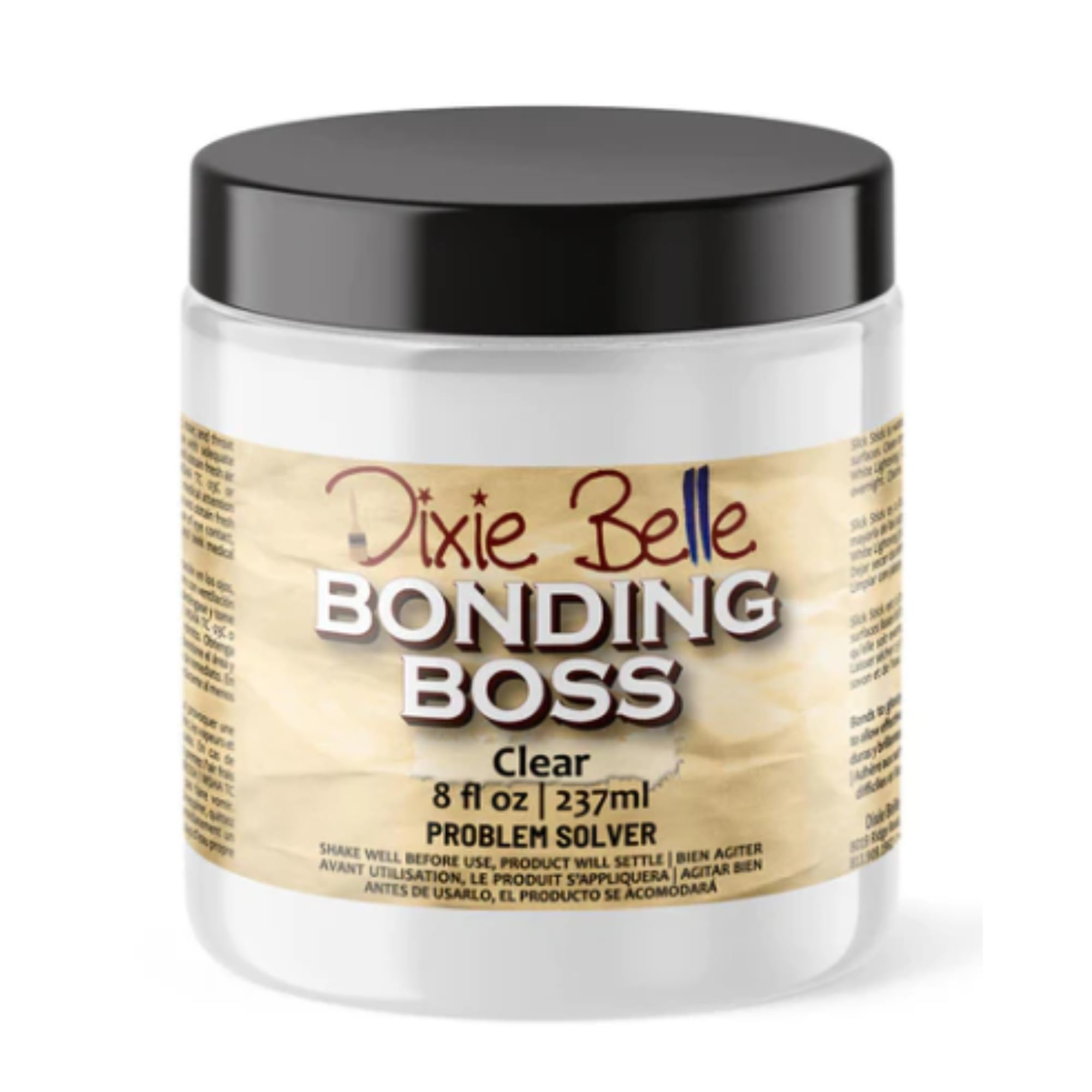
Dixie Belle Bonding BOSS

93 /100
Craft Score Outstanding

Key details

Drying Time
1 hr per coat, full cure 24 hr
Coverage per Quart
Adhesion to Glossy Surfaces
Good on glass/ceramic
View on Amazon

This water-based primer delivers strong adhesion to non-porous surfaces like glass, ceramic, and metal without heavy sanding. The 8oz can is convenient for small refinishing projects or craft work, but the premium per-ounce cost makes it impractical for covering full kitchen cabinets – for that, a larger-format bonding primer like INSL-X Stix offers better value and coverage.

💡 For best results on glossy surfaces, clean and lightly scuff before applying.

Pros

  • Bonds firmly to glass, ceramic, and metal surfaces.
  • Applies smoothly and dries within an hour.

Cons

  • Small 8oz can carries a premium price per ounce
Our verdict

Choose this primer for small-scale projects where adhesion to tricky surfaces matters – for full cabinets, look to a larger-format bonding primer.

Check Latest Price
6

Small Touch-Ups

Rustins Quick Drying Primer

92 /100
Craft Score Outstanding

Key details

Drying Time
30 min
Coverage per Quart
10-12 sq ft
Adhesion to Glossy Surfaces
View on Amazon

Rustins Quick Drying Primer dries in 30 minutes and is suited for small repairs on wood or plaster surfaces. However, the 250ml can covers only 10-12 sq ft, making it impractical for painting cabinets or any larger project. It works best for minor touch-ups where speed and small quantity matter, but falls short when covering entire cabinet doors or frames.

Pros

  • Dries in 30 minutes for fast project turnaround.
  • Suits small touch-ups on wood or plaster.

Cons

  • Coverage of 10-12 sq ft per can is too small for cabinet painting.
Our verdict

Use this only for small touch-ups on wood or plaster where a full can of primer would be wasteful — not for painting cabinets.

Check Latest Price
7

Metal/plastic Items

Rust-Oleum Universal Bonding Spray

90 /100
Craft Score Outstanding

Key details

Drying Time
30 min
Coverage per Quart
10-12 sq ft
Adhesion to Glossy Surfaces
View on Amazon

Dries quickly and applies evenly on metal and plastic surfaces, making it a handy option for small repairs or outdoor projects. But the spray can format limits coverage, and peeling has been noted on heavily used surfaces — plus the nozzle can snap during use, which undermines its convenience for larger jobs like cabinets.

Pros

  • Dries quickly, allowing recoating within 30 minutes
  • Easy spray application for small metal or plastic items

Cons

  • Spray nozzle may break during use
Our verdict

This works well for small metal or plastic touch-ups where a spray can is convenient, but it is not a viable option for full cabinet painting due to coverage limits and durability concerns.

Check Latest Price

How to Choose

Adhesion to Glossy or Non-Porous Surfaces

Not all primers grip smooth surfaces. Standard primers rely on microscopic roughness to hold paint, but laminate, tile, and glass are too slick. Bonding primers contain acrylic-urethane or shellac resins that form a chemical bond instead of a mechanical one.

If you are painting over glossy laminate or sealed wood, look for a primer labeled 'bonding' or 'adhesion.' These formulations can grip without excessive sanding, but a light scuff with 220-grit sandpaper still improves long-term durability.

Stain Blocking Capability

Water stains, smoke residue, and wood tannins bleed through many primers. Shellac-based primers like synthetic shellac form an impermeable barrier that seals these stains in a single coat. Water-based primers often require two or three coats and still risk bleed-through.

For cabinets with visible water rings or nicotine discoloration, a shellac primer is the most reliable choice. The trade-off is lower coverage per quart—typically half that of water-based options—so budget for extra cans.

Coverage per Quart

Coverage numbers on labels are often optimistic. A quart advertised at 100 sq ft may only cover 60-70 sq ft in real-world application, especially on porous wood or MDF. For a standard kitchen of 15-20 cabinet doors plus face frames, plan for at least two quarts.

Low-coverage primers like shellac (35 sq ft per quart) can become expensive on large jobs. If your project is small, the premium per square foot is negligible; for full kitchens, a water-based bonding primer with higher coverage saves money.

Drying Time and Recoat Window

Quick-dry primers let you paint the same day, but they demand faster work. Most water-based bonding primers are ready to recoat in one hour, while shellac dries in under an hour. Oil-based primers take six to eight hours, which can delay the project.

Fast drying is convenient but can lead to streaks if you brush over partially set primer. Work in small sections and maintain a wet edge. If you are spraying cabinets, a primer with a 30-minute recoat window speeds up the process considerably.

Low VOC / Odor Level

Indoor cabinet painting usually happens in a kitchen or bathroom with limited ventilation. Water-based primers emit low VOCs and minimal odor, allowing you to work without a respirator. Shellac primers have a mild alcohol odor that dissipates quickly. Oil-based primers produce strong fumes that require open windows and fans.

For occupied homes, a water-based bonding primer is the safest choice. If you need the stain-blocking power of oil or shellac, plan to ventilate the space for at least 24 hours after application.

Frequently Asked Questions