10 Best Drawknife of 2026: Pick the Right Blade for Your Woodwork

Find a drawknife that matches your woodworking style — whether debarking logs or carving spoons — without wasting time on dull edges.

A new drawknife should be ready to work, but most under $50 arrive with a factory edge that won't cut. That forces you into an unexpected sharpening session before you can even start debarking or shaping. This guide separates the tools that ship ready from those that need work.

The real difference comes down to steel quality and heat treatment. Premium Austrian and German forged blades hold an edge through heavy use, while budget models often use softer steel that dulls quickly. The right choice depends on how much time you want to spend honing versus cutting.

For carvers who need a flexible blade for contours, or homesteaders processing fence posts, the ideal drawknife balances blade geometry, length, and handle comfort. We've matched each pick to a specific use case so you can buy with confidence.

1

Best Overall

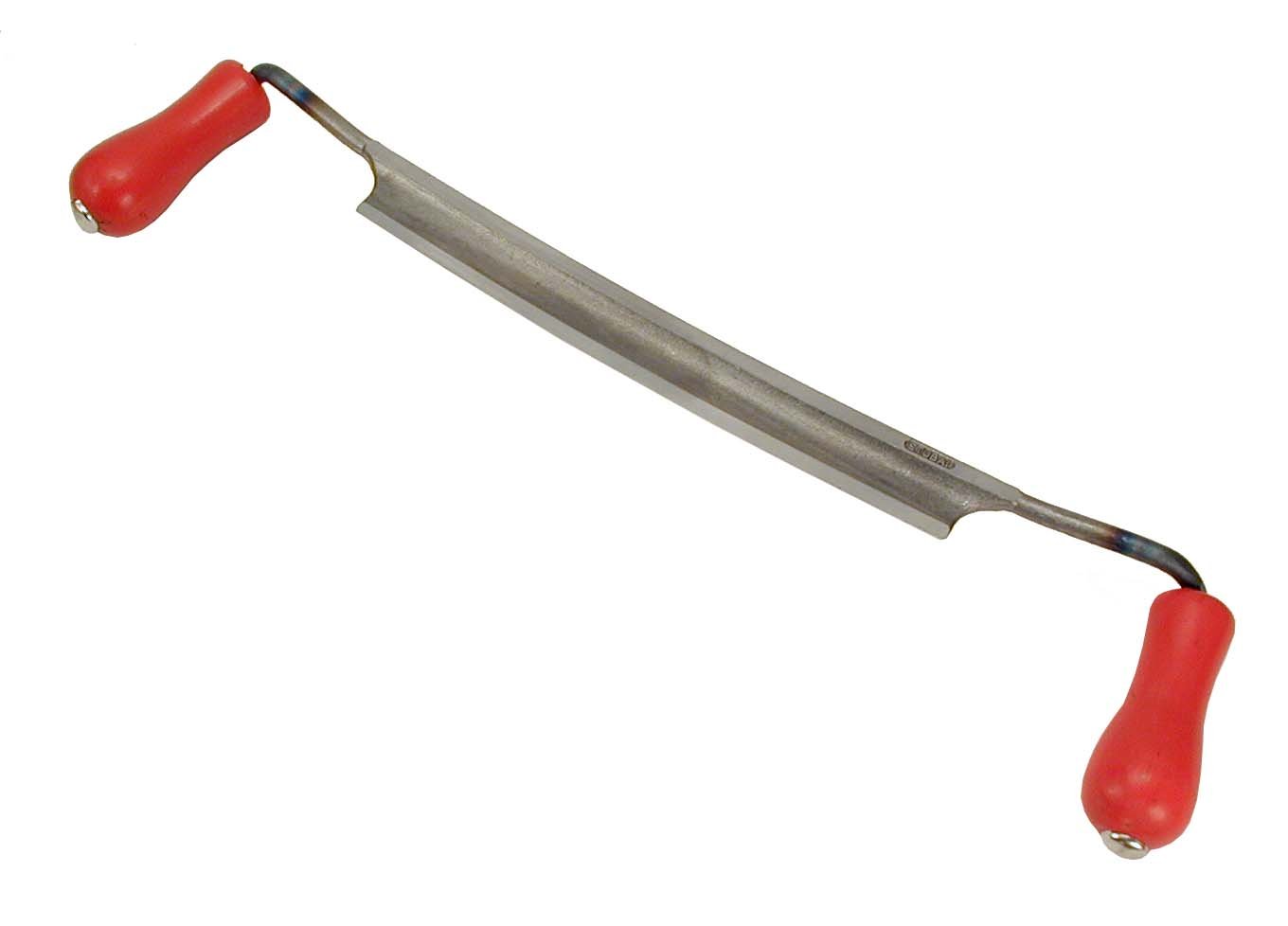
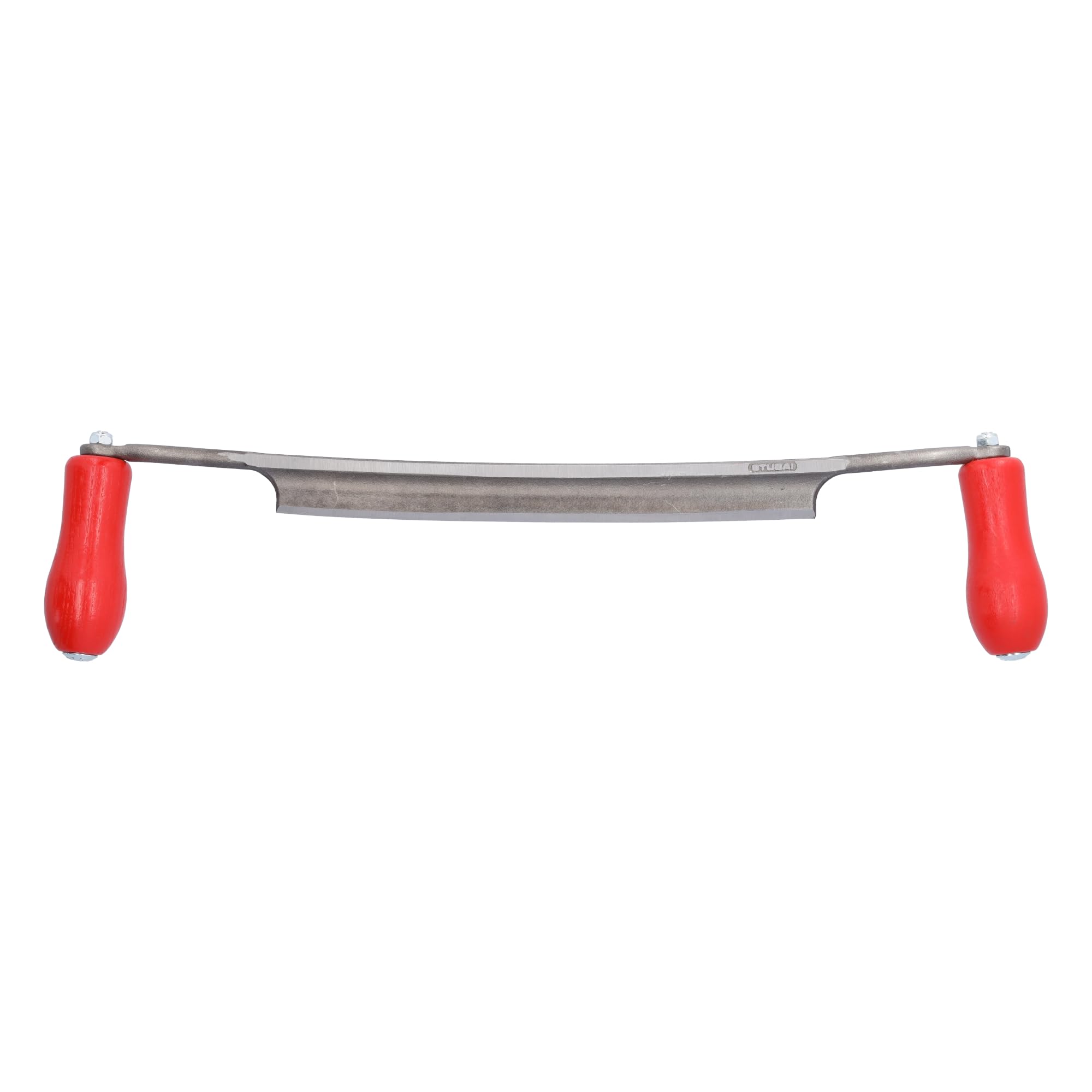
Stubai 9.4in Drawknife

93 /100
Craft Score Outstanding

Key details

Blade Length
9.4 in
Steel Quality
High carbon forged
Curve/Straight
Straight
Handle Material
Wood
View on Amazon

The Stubai 9.4in drawknife arrives with a factory edge that cuts without immediate honing — the result of concave grinding on high-quality forged steel. The included PVC edge guard protects the blade during storage, and the build quality holds up under repeated heavy use, making debarking and shaping tasks straightforward.

For woodworkers who need a single drawknife for debarking, shaping, and heavy use, this covers the range without compromise. The plastic edge guard protects the blade during storage, though those who prefer a traditional leather sheath will need to source one separately.

Pros

  • Exceptionally sharp factory edge
  • Forged Austrian steel holds the edge through heavy use.
  • Includes a PVC edge guard for safe storage.

Cons

  • Plastic edge guard instead of leather
Our verdict

At a mid-range price, the Stubai delivers premium steel and out-of-box sharpness backed by thousands of reviews — a no-fuss choice for any woodworking project that demands a sharp, durable drawknife.

Check Latest Price
2

Best for Carving & Detailing

FLEXCUT KN16 5in

90 /100
Craft Score Outstanding

Key details

Blade Length
5 in
Steel Quality
1095 High Carbon
Curve/Straight
Straight
Handle Material
Ash Wood
View on Amazon

The FLEXCUT KN16 arrives with a factory edge that cuts into wood immediately — no honing required. Its flexible blade follows concave curves naturally, making it a go-to for spoon carving and fine detailing. The ash wood handle, however, may loosen with use; periodic tightening or replacement is part of ownership, especially compared to forged one-piece designs like the best-selling 8-inch straight model. This tradeoff is manageable for carvers who prioritize edge control over brute durability.

Ideal for carvers who need precision on small projects and don't mind occasional handle maintenance. Not suited for heavy debarking of large logs — that job belongs to a stiffer, longer blade.

💡 Check handle tightness before each session — a drop of wood glue on the tang can prevent loosening over time.

Pros

  • Razor sharp out of the box
  • Flexible blade allows smooth cuts on concave and curved surfaces.
  • Well-constructed with 1095 high carbon steel and ash wood handle.

Cons

  • Handle can loosen over time; may require tightening or replacement.
Our verdict

A sharp, flexible drawknife for carvers who accept occasional handle tightening in exchange for precision on contours and curves.

Check Latest Price
3

Best Value Workhorse

Timber Tuff 8in Straight

88 /100
Craft Score Excellent

Key details

Blade Length
8 in
Steel Quality
HRC 30 steel
Curve/Straight
Straight
Handle Material
Wood
View on Amazon

The Timber Tuff 8-inch straight drawknife is one of the most frequently chosen options in this category, offering a solid build and an attractive mid-range price. Unlike premium Austrian or German blades, its edge arrives unsharpened and requires a few minutes with a stone to reach working condition. That tradeoff makes it best for budget-conscious users who already own sharpening equipment and are comfortable tuning their tools. The edge won't hold as long as high-carbon steel from Stubai or Two Cherries, but for general debarking and shaping, it performs well once set up.

💡 Plan to spend 10-15 minutes honing the edge before the first project — a basic shop skill that unlocks the knife's potential.

Pros

  • Works well once properly sharpened
  • Good build quality
  • Good value for the price

Cons

  • Requires substantial sharpening out of the box - plan for edge preparation before use
Our verdict

For woodworkers comfortable with a sharpening stone, this offers solid build quality and good value — just not the out-of-box performance of premium brands.

Check Latest Price
4

Premium German Precision

Ochsenkopf 250mm

90 /100
Craft Score Outstanding

Key details

Blade Length
9.8 in
Steel Quality
High carbon steel
Curve/Straight
Curved
Handle Material
Plastic
View on Amazon

The Ochsenkopf 250mm delivers the kind of edge retention that professional woodworkers expect from German steel. Its 250mm curved blade arrives shaving-sharp, requiring no initial honing — a contrast to many budget options that demand immediate sharpening.

This drawknife suits those who prioritize steel quality over handle material. The plastic grips feel less traditional than wood but hold up well in shop conditions. Buyers seeking a more ergonomic offset handle might prefer the top pick, and the higher price means this is for users who want premium edge performance without compromise.

💡 The plastic handles are durable but can feel slick with wet hands; a glove provides a secure grip.

Pros

  • Ready to use straight from the package
  • High-carbon steel holds its edge well through heavy woodworking tasks.

Cons

  • Plastic handles lack the warmth and grip of wood, especially in cold conditions.
Our verdict

For professional woodworkers who value edge quality above all else, the Ochsenkopf delivers German engineering that holds up — just be ready for plastic handles and a premium ticket price.

Check Latest Price
5

Best for Large Logs

Felled 13in Straight

87 /100
Craft Score Excellent

Key details

Blade Length
13 in
Steel Quality
Hardened Steel
Curve/Straight
Straight
Handle Material
Wood
View on Amazon

Its 13-inch hardened steel blade covers more surface per stroke than shorter options, making quick work of fence posts and large logs. While the top pick offers a sharper out-of-box edge, this Felled delivers length at a lower cost. It suits buyers who prioritize reach over convenience and are comfortable with edge preparation. The wood handles and straight blade provide solid control, but the edge may need honing and blade hardness can vary between units. This is a workhorse for heavy debarking tasks, not for fine carving or small projects.

💡 Sharpen before the first job — a few minutes with a stone transforms performance on large logs.

Pros

  • 13-inch blade reduces strokes needed for large logs and fence posts.
  • Solid steel and wood construction holds up to rigorous use.

Cons

  • Edge arrives dull and may require sharpening before first use; blade hardness can vary between units.
Our verdict

This drawknife is for anyone who needs the longest budget-friendly blade for heavy debarking and is willing to invest time in edge setup.

Check Latest Price
6

Best for Small Projects

BeaverCraft 4.3in

86 /100
Craft Score Excellent

Key details

Blade Length
4.3 in
Steel Quality
High carbon steel
Curve/Straight
Straight
Handle Material
Oak Wood
View on Amazon

BeaverCraft's 4.3-inch drawknife arrives razor-sharp, with comfortable oak handles and a leather sheath. This is not a debarking tool — its small blade excels at spoon carving, whittling, and detailing small projects. Best suited for carvers who need precision over power, and who are willing to accept occasional handle cracking as a tradeoff for the compact size.

💡 Use with smooth, controlled strokes — the oak handles suit light carving work.

Pros

  • Arrives sharp and ready for carving work.
  • Oak wood handles fit comfortably for extended use.

Cons

  • Blade length limits to small carving and detail work.
  • Oak handles may crack under heavy torque in some cases.
Our verdict

A sharp, compact drawknife for carving projects where precision matters — not intended for debarking or heavy shaping.

Check Latest Price
7

General Woodworking

Stubai 9.25in Drawknife

92 /100
Craft Score Outstanding

Key details

Blade Length
9.25 in
Steel Quality
Hardened Steel
Curve/Straight
Straight
Handle Material
Wood
View on Amazon

The Stubai 9.25in drawknife brings forged Austrian steel and offset handles to the mid-range segment — a combination that reduces wrist fatigue during debarking and rough shaping while holding a sharp edge through repeated use. The tradeoff is the omitted edge guard; owners will need to source their own storage protection, which keeps it behind the top pick for those wanting a complete kit out of the box.

Pros

  • Offset handles reduce wrist fatigue during long sessions.
  • Forged Austrian steel holds a sharp edge through heavy use.

Cons

  • No edge guard included for storage; blade needs separate protection.
Our verdict

Choose this if you prioritize ergonomic handles and don't mind buying an edge guard separately.

Check Latest Price
8

Light Debarking

Felled 8in Curved

89 /100
Craft Score Excellent

Key details

Blade Length
8 in
Steel Quality
Hardened Steel
Curve/Straight
Curved
Handle Material
Wood
View on Amazon

This budget-friendly curved drawknife handles light debarking and contour shaping at a low price. The blade may arrive dull, so expect to sharpen it before first use. It suits occasional woodworking rather than heavy daily tasks.

Pros

  • Good value for money
  • Effective debarking and shaping

Cons

  • Blade may arrive dull and needs sharpening before use
Our verdict

A cost-effective option for occasional woodworkers who are comfortable with initial sharpening.

Check Latest Price
9

DIY Fence Posts

Beendou 10in Curved

87 /100
Craft Score Excellent

Key details

Blade Length
10 in
Steel Quality
Manganese Steel
Curve/Straight
Curved
Handle Material
Wood
View on Amazon

The Beendou’s manganese steel blade offers solid reach for stripping bark from large logs at a budget-friendly price. However, edge preparation varies between units; you may need to hone the blade before it cuts effectively. Edge retention is moderate, so this works best for occasional fence post or firewood tasks rather than precision carving.

Pros

  • Delivers solid cutting performance once the edge is honed.
  • Build quality feels sturdy for the price

Cons

  • Sharpness varies between units; some blades arrive dull and require honing before use.
Our verdict

A budget option for DIY debarking if you are comfortable with sharpening — not for those seeking out-of-box readiness.

Check Latest Price
10

Large Log Debarking

Timber Tuff 10in Straight

88 /100
Craft Score Excellent

Key details

Blade Length
10 in
Steel Quality
HRC 30 steel
Curve/Straight
Straight
Handle Material
Wood
View on Amazon

The 10-inch blade gives extended reach for stripping bark from large logs and fence posts. The edge often arrives needing sharpening; handle cracking has been noted under demanding use. These same limitations appear on the 8-inch Timber Tuff, so the extra length is the primary reason to choose this version.

Pros

  • Blade length handles big diameter logs efficiently
  • Steel body holds up to repeated use

Cons

  • Edge may require sharpening before first use
Our verdict

A good fit for those tackling large debarking jobs who don't mind spending a few minutes sharpening and prefer a longer blade over the 8-inch version.

Check Latest Price

How to Choose

Blade Length

Blade length determines the reach and leverage for different jobs. A 10- to 13-inch straight blade strips bark from large logs quickly because each pull covers more surface. A 4- to 6-inch blade gives you control for spoon carving and tight curves.

The trade-off: longer blades are harder to control on small or irregular pieces. For fence posts and timber framing, go 10 inches or more. For detail work, stick under 6 inches.

Curved vs. Straight Blade

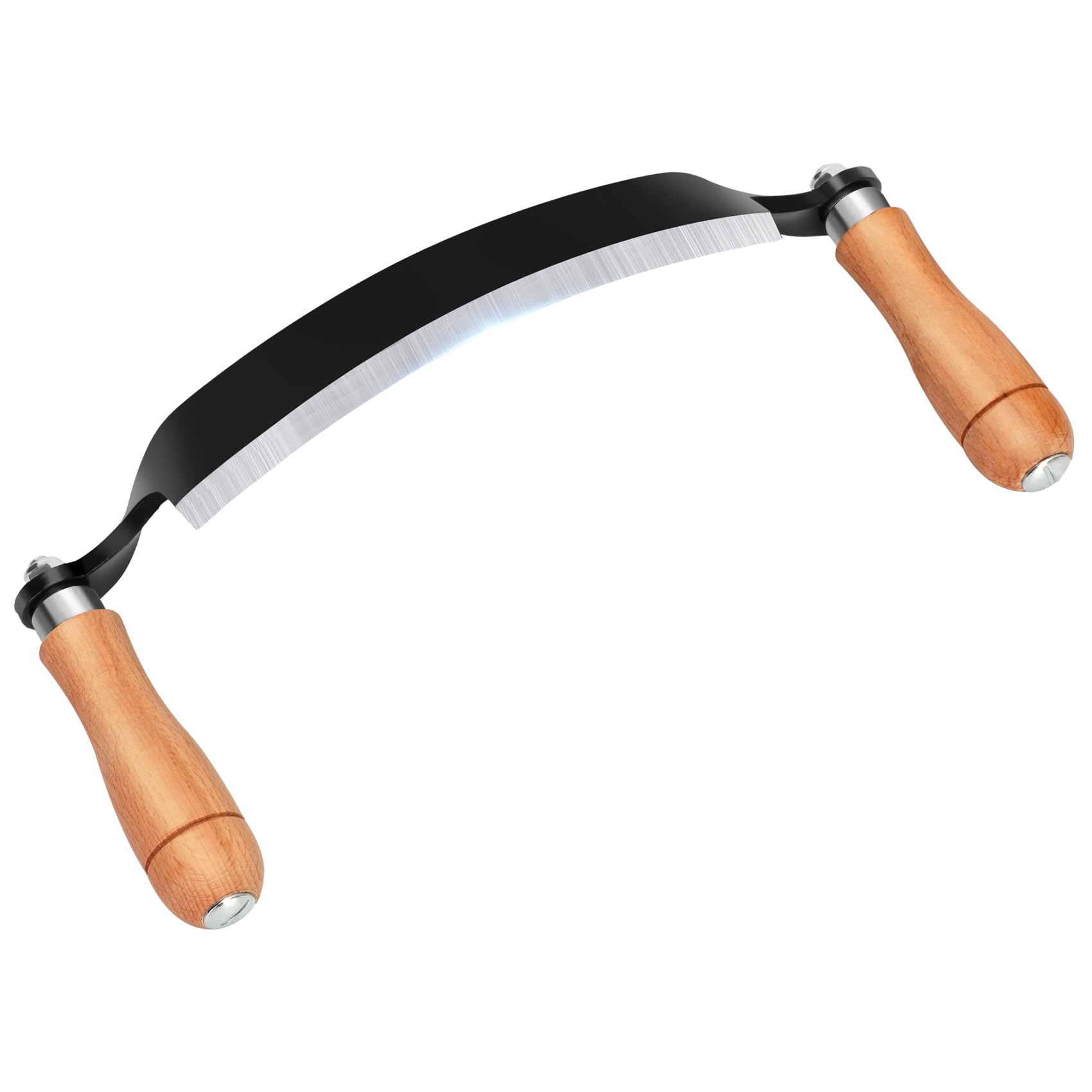
Straight blades excel at flat debarking and shaping because they ride evenly across the log surface. Curved blades dig into concave shapes — ideal for bowl backs, saddles, and spoons.

A common mistake is buying a curved blade for general debarking: the curve creates a gouging action that can dig too deep on flat surfaces. Match the blade shape to your primary task.

Steel Quality and Heat Treatment

High-carbon steel (1095, O1, or forged alloy) takes a razor edge and holds it through hours of work. Budget drawknives often use softer steel with low Rockwell hardness (HRC 30-40) that dulls after a few pulls.

The hidden trade-off: harder steel is more brittle and harder to sharpen by hand. For occasional use, softer steel is fine if you don't mind frequent touch-ups. For daily use, invest in quality heat-treated steel.

Handle Material and Ergonomics

Wood handles feel warm and traditional, but cheaper handles can crack under heavy torque. Plastic or reinforced synthetic handles are more durable but less comfortable in cold weather and can feel slippery.

Offset handles (like Stubai) reduce wrist strain by keeping your hands clear of the work surface. If you plan long sessions, look for handles that are curved or angled away from the blade.

Out-of-Box Sharpness

Only a handful of brands — Stubai, Ochsenkopf, and Flexcut — consistently ship a truly sharp edge. The rest rely on a factory bevel that is either too obtuse or simply unfinished.

Plan to spend 15-30 minutes sharpening any budget drawknife before first use. Having a diamond file or sharpening stone on hand turns a frustrating purchase into a functioning tool.

Frequently Asked Questions