9 Best Exterior Paint for Wood of 2026: Choose Long-Term Durability Over Speed

Which exterior paints actually protect wood against weather and UV? Find the right paint for your project—whether it's a door, fence, or deck.

Picking an exterior paint for wood can feel like a gamble. Many quarts promise weather resistance and fade protection, but within months the finish peels, cracks, or changes color. The gap between marketing and real-world performance is wider in this category than almost any other.

The core trade-off is simple: oil-based enamels deliver unmatched adhesion and long-term toughness but demand patience with slow drying and strong fumes. Water-based acrylics dry fast and clean up easily, yet often require a separate primer and can fall short on heavily exposed surfaces. Neither is 'better' across the board.

This guide cuts through the confusion by matching paint chemistry to your actual project. Whether you're painting a front door that gets afternoon sun, a porch floor that sees foot traffic, or a fence that faces rain all year, the right choice depends on how much time you have and how long you want the job to last.

1

Best Overall

Rust-Oleum Stops Rust

93 /100
Craft Score Outstanding

Key details

Coverage
90–100 sq ft per quart
Paint Type
Oil-based
Drying Time
2–4 hours to touch
View on Amazon

This oil-based enamel holds up on wood and metal surfaces exposed to sun and rain, with adhesion that keeps the finish intact season after season. The semi-gloss white resists fading, so doors and trim maintain their appearance without frequent repainting.

Best for exterior wood projects where toughness is the priority — doors, furniture, and combination wood-metal pieces. The tradeoff is drying time: expect 2–4 hours between coats and a full week before heavy use. The strong solvent odor also means this is a garage or outdoor project, not something for enclosed spaces without ventilation.

💡 Apply in a well-ventilated area and allow a full week before putting furniture or doors back into heavy use.

Pros

  • Exceptional durability on wood and metal in sun and rain
  • High-quality finish with excellent adhesion
  • Good color retention and fade resistance

Cons

  • Slow drying and curing
  • Strong smell during application and for days after
Our verdict

If durability is your non-negotiable, this paint delivers on wood and metal — just plan around the drying time.

Check Latest Price
2

Best for Doors & Trim

Rust-Oleum Advanced Dry

92 /100
Craft Score Outstanding

Key details

Coverage
Approx. 2 coats per door
Paint Type
Water-based acrylic
Drying Time
45 minutes to touch
View on Amazon

Rust-Oleum Advanced Dry dries to the touch in 45 minutes and cleans up with soap and water, making it the most convenient water-based option for door and trim projects. This speed comes with a tradeoff: the paint is less impact-resistant than oil-based formulas like the top-pick Stops Rust, and coverage may require three coats on light or bare wood. It suits DIYers who prioritize low fumes and quick turnaround over long-term toughness, especially on interior or sheltered exterior doors.

💡 Plan for two to three coats on lighter surfaces to achieve even coverage.

Pros

  • Recoat in under an hour, ideal for same-day projects.
  • Cleans up with soap and water and produces noticeably less odor than oil-based paints.
  • Self-leveling formula reduces brush marks for a smooth satin finish.

Cons

  • On lighter surfaces or unprimed wood, two coats may not be enough; a third coat is often needed.
  • In high-traffic door areas where doors frequently bump walls, scratches and peeling may appear sooner compared to oil-based paints.
Our verdict

For a fast, low-odor door refresh where you do not need the hardest finish, this is a convenient choice. If long-term durability on an exterior wood door is the priority, the oil-based Stops Rust is the better bet.

Check Latest Price
3

Best Budget All-Purpose

Rust-Oleum Painter's Touch

91 /100
Craft Score Outstanding

Key details

Coverage
120 sq ft per quart
Paint Type
Acrylic (water-based)
Drying Time
30 minutes to touch
View on Amazon

This paint delivers good one-coat coverage on wood, metal, and masonry, and it dries to the touch in half an hour — convenient for quick touch-ups. On bare wood exposed to weather, peeling has been observed within months, so this paint is best reserved for indoor furniture, decorative items, or covered outdoor projects where color precision and extended UV protection aren't required.

💡 Stir thoroughly and test on a small area to verify color before committing.

Pros

  • Covers well in a single coat on most surfaces
  • Dries to the touch in 30 minutes, allowing fast project turnaround
  • Adheres to wood, metal, and masonry

Cons

  • Black finish can appear navy rather than true black
Our verdict

Best suited for budget-friendly indoor touch-ups and low-UV outdoor items where quick drying and multi-surface adhesion matter more than long-term weather resistance.

Check Latest Price
4

Best for Wood Floors & Patios

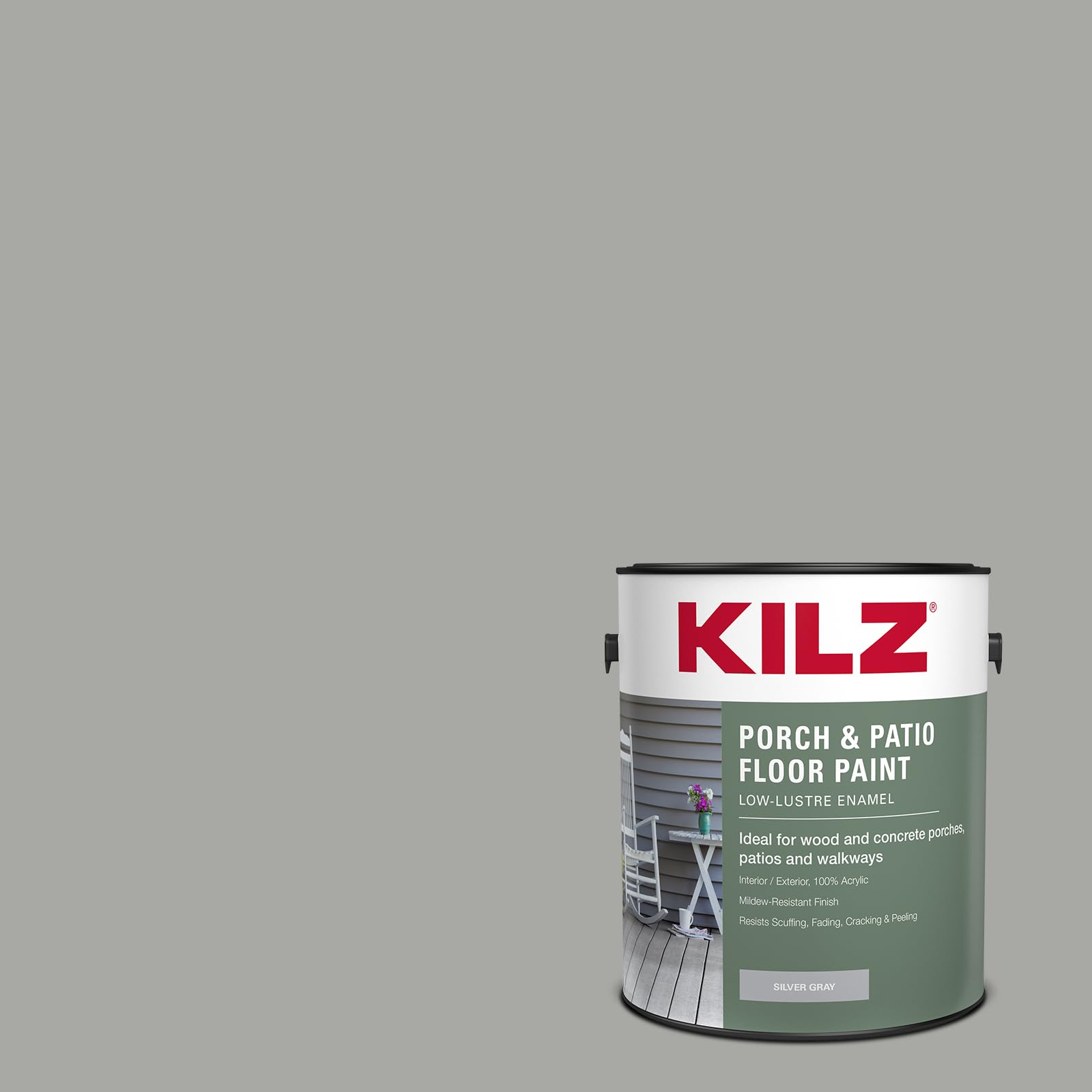
KILZ Porch & Patio

92 /100
Craft Score Outstanding

Key details

Coverage
300–400 sq ft per gallon
Paint Type
100% acrylic latex
Drying Time
1 hour to touch
View on Amazon

The only porch-and-patio paint in this roundup formulated for horizontal wood floors — its 100% acrylic latex base covers 300–400 sq ft per gallon and dries to touch in one hour. However, durability on wood flooring requires careful surface prep; chipping and peeling can occur in high-traffic areas. This paint suits DIYers refreshing a low-traffic porch or basement floor on a budget, but it's not intended for vertical surfaces like siding or fences.

💡 Test the color in your space — the silver gray can lean blue under different lighting.

Pros

  • Covers rough and smooth surfaces evenly with good opacity
  • Self-leveling application with roller or brush minimizes brush marks

Cons

  • On wood floors with regular foot traffic, peeling can occur within months without ideal surface preparation
  • Silver gray can appear blue-tinted under certain lighting conditions
Our verdict

A budget-friendly choice for low-traffic horizontal wood surfaces; for heavier use or vertical projects, look to an oil-based alternative.

Check Latest Price
5

Best Premium Door Finish

Modern Masters Front Door

91 /100
Craft Score Outstanding

Key details

Coverage
100 sq ft per quart
Paint Type
Water-based enamel
Drying Time
1 hour to touch
View on Amazon

The Modern Masters Front Door Paint delivers dense, richly pigmented satin color that resists fading and lays down with minimal brush marks. However, peeling and chipping have been noted on doors within months, especially without careful surface prep. This paint is best for homeowners who prioritize curb appeal over long-term toughness and are comfortable with occasional touch-ups. For high-exposure exterior wood like siding or fences, the oil-based Stops Rust is a more durable alternative.

💡 To reduce streaking on lighter shades, apply thin, even coats with a quality synthetic brush.

Pros

  • Rich, fade-resistant color that keeps its depth for years
  • Self-leveling formula leaves a smooth, brush-mark-free finish

Cons

  • Coverage on light colors can appear streaky without careful technique
  • Paint may peel or chip on doors within months, requiring touch-ups
Our verdict

Buy this if your front door’s appearance is the priority and you are willing to invest in prep and possible touch-ups. For tough exterior wood, look to the oil-based Stops Rust.

Check Latest Price
6

Best for Siding & Large Surfaces

Prestige Exterior Paint

91 /100
Craft Score Outstanding

Key details

Coverage
250–400 sq ft per gallon
Paint Type
100% acrylic
Drying Time
2 hours to touch
View on Amazon

Thick consistency hides imperfections on rough wood siding and fences, covering up to 400 sq ft per gallon in a single coat. The 100% acrylic formula resists weather and UV, and low odor makes outdoor painting more pleasant. However, on smooth wood the paint tends to appear streaky, needing extra coats, and the white shade has a subtle blue tint that matters if color accuracy is critical. This is a good fit for homeowners painting rough surfaces who want the convenience of an all-in-one paint and primer, and don't need a flawless white finish.

Pros

  • Thick one-coat coverage conceals imperfections on rough wood and masonry.
  • Performance comparable to popular big-box brands at a similar price point.
  • Low VOC and low odor suitable for outdoor projects.

Cons

  • On smooth wood surfaces, coverage can appear streaky and require multiple coats.
  • White finish has a noticeable blue tint, not a pure neutral white.
Our verdict

Best for rough wood siding or fences where thick coverage and convenience matter more than a perfect white finish or a flawless smooth result.

Check Latest Price
7

Small Porches, Steps

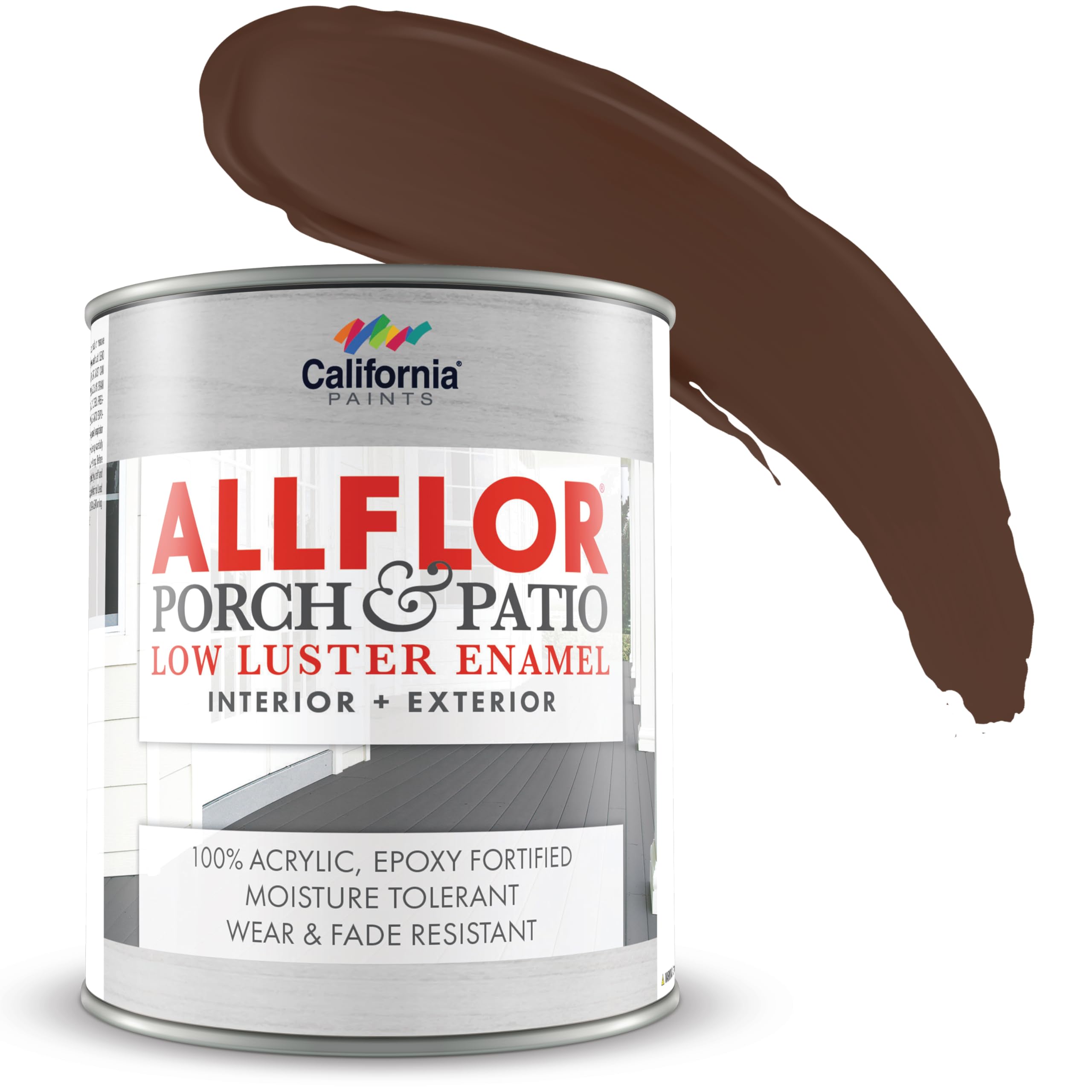
California Paints Allflor

91 /100
Craft Score Outstanding

Key details

Coverage
75–87.5 sq ft per quart
Paint Type
Water-based enamel
Drying Time
Fast
View on Amazon

This budget-friendly quart delivers one-coat coverage and dries quickly, making it handy for repainting a small porch step. However, durability is limited: peeling can occur on wood and concrete, so it's best reserved for low-traffic areas like basement floors or an infrequently used back step.

Pros

  • Covers many surfaces in a single coat, saving time and paint.
  • Smooth, self-leveling application reduces brush marks.

Cons

  • Color may appear black instead of brown on certain surfaces, requiring a test patch.
Our verdict

This paint fits a small set of porch steps or a basement floor where foot traffic is light, but it's not the choice for a full deck or fence requiring weather resistance.

Check Latest Price
8

Craft, Touch-Ups

FolkArt Outdoor Acrylic

91 /100
Craft Score Outstanding

Key details

Coverage
Full (small bottle)
Paint Type
Water-based acrylic
Drying Time
2 hours to touch
View on Amazon

These 8 oz bottles deliver vivid colors that hold up well on small outdoor wooden items like signs or mailboxes. Cleanup with soap and water is easy. However, the paint is prone to cracking and peeling on exterior wood over time, and the small volume limits it to touch-ups or decorative stenciling rather than full surface painting.

Pros

  • Vibrant colors that stay vivid outdoors
  • Easy to use and clean up with soap and water

Cons

  • Prone to cracking and peeling on exterior wood
Our verdict

Best suited for small decorative projects like stenciled mailboxes or signs, not for weather-exposed wood surfaces requiring long-term durability.

Check Latest Price
9

Also Great

Rust-Oleum Front Door

90 /100
Craft Score Outstanding
View on Amazon

This oil-based door paint delivers a rich, deep color that covers well and provides durable adhesion on wood doors. However, quality control issues can result in clumpy or streaky application, and the strong lingering odor requires good ventilation. For a similar price, other Rust-Oleum options like Stops Rust offer more consistent results with less hassle.

Pros

  • Rich, deep color with good coverage on doors
  • Oil-based finish provides durable adhesion on wood surfaces

Cons

  • Application quality can be inconsistent
Our verdict

Works well for experienced DIYers who need an oil-based finish for touch-ups on existing Rust-Oleum door paint and can accept the application quirks.

Check Latest Price

How to Choose

Paint Type: Oil vs. Water

Oil-based enamels penetrate wood fibers and form a hard, impermeable film that resists moisture and temperature swings. They take 24 hours to dry and up to a week to fully cure, but the payoff is years of protection on doors, trim, and siding.

Water-based acrylics dry in an hour and emit fewer fumes, but they rely on a primer for adhesion on bare wood. On smooth surfaces they can peel if moisture gets underneath. Best for projects where speed and easy cleanup matter more than maximum lifespan.

Drying and Curing Time

Touch-dry time matters for recoating, but full cure time determines when the paint reaches its final hardness. Oil-based paints reach full cure in 5–7 days; water-based in 2–3 days. For doors and high-traffic areas, waiting the full cure period prevents deep scratches and dents.

If you need the door operational the same day, a water-based option with 45-minute recoat time is the practical choice. For a fence or siding that won't be touched often, the longer cure of oil is a minor inconvenience.

Coverage per Quart or Gallon

Coverage numbers assume a smooth, primed surface. Rough or porous wood can cut actual coverage by 30–50%. A quart covers about 100 sq ft; a gallon covers 300–400 sq ft. Plan for two coats on bare wood, even with paint-and-primer combos.

Thicker paints (like Modern Masters) may cover in fewer coats but are harder to spread evenly. Thinner paints (like Advanced Dry) require more coats but self-level better. Match paint viscosity to your surface texture.

UV and Weather Resistance

All exterior paints list UV resistance, but real performance shows in color retention and chalking rate. Oil-based enamels generally hold color longer on vertical surfaces. Water-based acrylics can chalk (turn powdery) after a few years in direct sun.

For high-exposure areas like south-facing doors or fences, choose a paint with proven fade resistance from user reports rather than label claims. The Rust-Oleum Stops Rust oil line has the strongest track record among consumer paints.

Vertical vs. Horizontal Surfaces

Horizontal wood (decks, porches) sees foot traffic, standing water, and UV. It needs a paint formulated for floors with slip resistance and abrasion resistance. Vertical surfaces (fences, siding, doors) can use standard exterior paint.

Using a floor paint on vertical wood wastes its slip additives and may look too flat. Conversely, using a vertical paint on a deck leads to peeling within months. Always check the label for surface orientation.

Adhesion and Surface Preparation

Paint adhesion starts with a clean, sanded, and primed surface. Bare wood must be primed with an appropriate wood primer (oil-based for oil paints, acrylic for water paints). Skip prep, and even the best paint will peel within a season.

Paint-and-primer combos work on previously painted or lightly weathered wood but are not a substitute for proper priming on bare or glossy surfaces. Many buyers report needing two or three coats despite all-in-one claims.

Frequently Asked Questions