12 Best Hand Planes of 2026: Which Ones Actually Work Out of the Box

Tired of planes that need tuning before first use? Find the best hand planes that deliver sharp, flat performance from the box for woodworking.

Hand planes are simple tools, but getting one that works straight from the box is surprisingly rare. Many budget models arrive with soles that are not flat and blades that need significant sharpening. That does not mean you have to spend a fortune on premium brands.

Several mid-range options, particularly from Jorgensen and KAKURI, skip most of that setup work. They come with ductile iron bodies, sharp O1 or laminated steel blades, and adjustment mechanisms that actually hold settings. The difference between a plane you use immediately and one you spend an hour lapping comes down to a few specific design choices.

This guide focuses on planes that minimize your time tuning and maximize time making shavings. Whether you need a block plane for trim work or a bench plane for smoothing, the right pick starts with understanding which features actually deliver out-of-box usability.

1

Best Overall

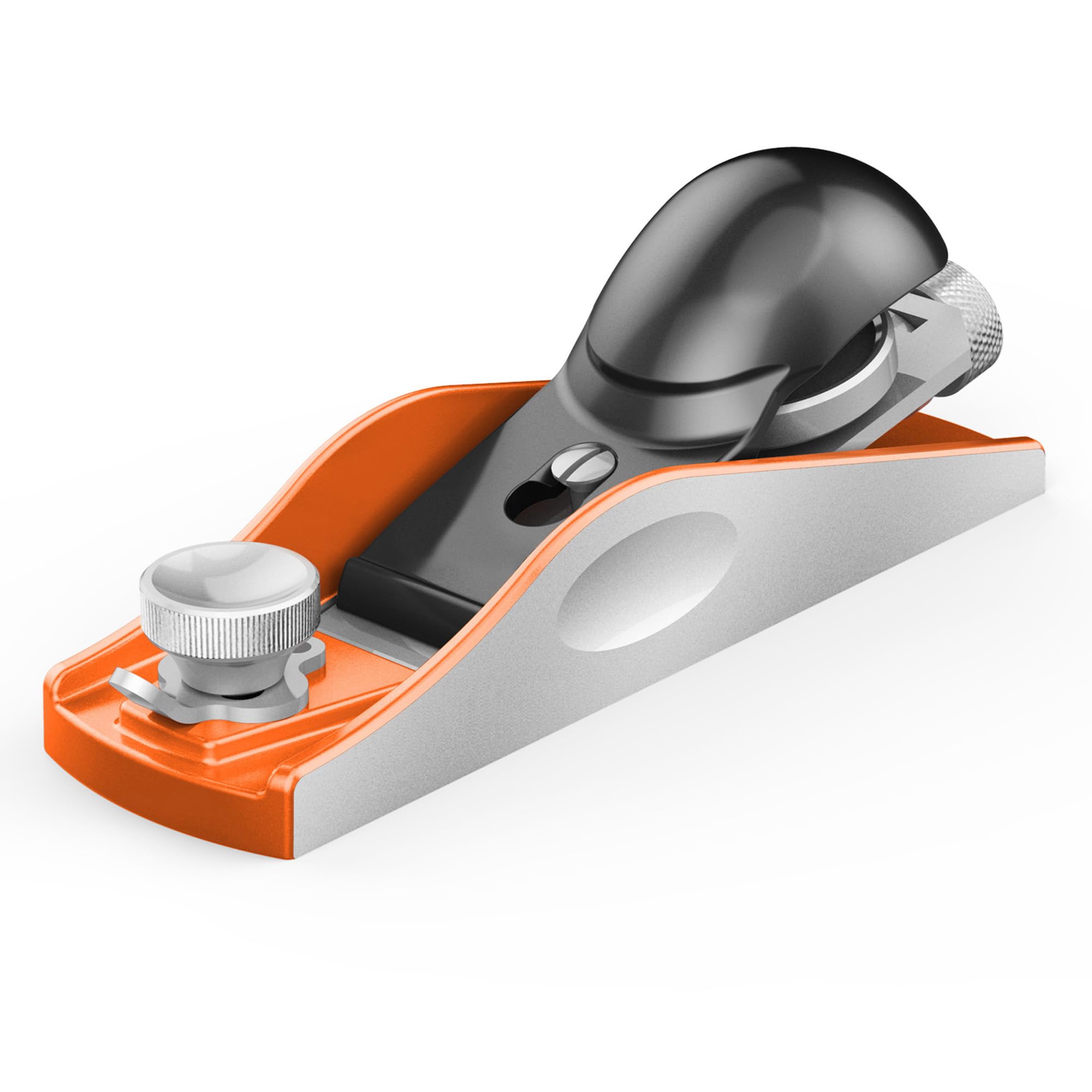
Jorgensen No.60-1/2 Low Angle

91 /100
Craft Score Outstanding

Key details

Weight
1.5 lbs
Adjustment
Adjustable mouth/depth
Blade Steel
O1 tool steel
Cutting Width
1.38"
View on Amazon

The Jorgensen No.60-1/2 brings the adjustable mouth and ductile iron body found on block planes costing $150 or more, paired with an O1 steel blade that cuts cleanly straight from the box. Its low-angle design excels on end grain and makes trimming and fitting tasks precise.

This plane targets serious hobbyists who want a capable block plane for end grain work, trimming, and fitting without paying premium prices. Note that sole flatness can vary between units; some may require light lapping to achieve best results. For large surface smoothing, a bench plane remains the appropriate tool.

💡 Check the sole for flatness upon arrival; light lapping on sandpaper can ensure peak performance.

Pros

  • Build quality and precision that rival higher-priced block planes.
  • Blade arrives sharp and holds its edge well over extended use.
  • Smooth, adjustable depth and mouth give fine control.

Cons

  • Sole flatness can vary between units; occasional light lapping may be needed for optimal performance.
Our verdict

For anyone needing a low-angle block plane for precision trimming and end grain work, the Jorgensen delivers performance that costs twice as much elsewhere – just budget a few minutes to check sole flatness.

Check Latest Price
2

Best Premium Jack Plane

WoodRiver #5 Jack V3

90 /100
Craft Score Outstanding

Key details

Weight
6.8 lbs
Adjustment
Precise screw
Blade Steel
High carbon steel
Cutting Width
2"
View on Amazon

The WoodRiver #5 Jack V3 matches the precision of planes costing $400+, with a dead-flat sole and fully machined frog that allow whisper-thin shavings out of the box. It targets serious woodworkers who value heirloom quality over budget constraints. The lateral adjuster can feel stiff initially, but a short break-in period resolves it.

💡 Work the lateral adjuster back and forth during initial use to loosen it.

Pros

  • Craftsmanship that rivals premium planes at a lower cost
  • Dead flat sole and precise adjustments out of the box
  • Cuts whisper-thin shavings with minimal effort

Cons

  • Price remains high for woodworkers on a tight budget
  • Lateral adjuster may require extra force until break-in
Our verdict

This plane gives serious woodworkers premium performance without the $400+ price tag – expect a short break-in period on the lateral adjuster.

Check Latest Price
3

Best Japanese Smoothing Plane

KAKURI 60mm Japanese

90 /100
Craft Score Outstanding

Key details

Weight
Adjustment
Hammer adjust
Blade Steel
Laminated Japanese steel
Cutting Width
1.97"
View on Amazon

The laminated Japanese steel blade arrives capable of shaving paper-thin curls, and the oil-finished white oak body feels solid and balanced. This 60mm kanna excels at producing mirror-smooth surfaces on larger panels, outperforming similarly priced Western planes in surface quality.

This plane suits woodworkers committed to traditional pull-stroke technique who are comfortable tuning the blade and adjusting via hammer taps before first use. The learning curve is real — blade may need honing and adjustment requires practice — but the results reward the effort. Beginners to pull-plane work will find the smaller 42mm model a gentler entry point.

💡 Hone the blade on water stones to razor sharpness; practice hammer taps on scrap before adjusting depth on the workpiece.

Pros

  • White oak body and blade produce glass-smooth finishes on large panels
  • Blade arrives sharp enough to shave paper-thin curls
  • Mid-range price for a professional-grade Japanese plane

Cons

  • Blade may require honing before first use
  • Hammer adjustment technique demands practice; not intuitive for those new to Japanese planes
Our verdict

For woodworkers willing to invest setup time in honing and hammer adjustment, this kanna delivers exceptional surface quality at a mid-range price — it is not a grab-and-go tool.

Check Latest Price
4

Best Budget Pocket Plane

Stanley 21-399 Pocket

93 /100
Craft Score Outstanding

Key details

Weight
9.6 oz
Adjustment
Blade Steel
Basic steel
Cutting Width
View on Amazon

At under $12, the Stanley Pocket Plane is the most affordable tool in this roundup, purpose-built for quick drywall trim, door adjustments, and body putty. Unlike premium block planes that deliver precision for fine woodworking, this plastic-bodied plane trades accuracy and durability for low cost and portability. It's best for DIYers on a tight budget who need a one-off tool for light trimming. However, quality control has been inconsistent — blades may arrive dull or with surface rust, so inspecting before use is wise. This plane is not intended for fine woodworking or regular use.

💡 Apply light passes to avoid flexing the plastic sole.

Pros

  • Lightweight at 9.6 oz allows easy handling for quick trim jobs.
  • Covers drywall, door edges, and body putty tasks with one tool.

Cons

  • Plastic body may flex under sustained pressure, limiting this plane to light-duty tasks.
Our verdict

For one-off drywall or door adjustments on a tight budget, the Stanley Pocket Plane does the job without fuss.

Check Latest Price
5

Best Budget Bench Plane

Amazon Basics No.4 Bench

87 /100
Craft Score Excellent

Key details

Weight
2.7 lbs
Adjustment
Imprecise screw
Blade Steel
High-quality steel
Cutting Width
2"
View on Amazon

The Amazon Basics No.4 bench plane delivers a cast-iron body and 2-inch steel blade at a price well below most competitors. Unlike the cheapest No.4 plane, it includes a chip breaker and can be converted into a scrub plane for aggressive stock removal. However, the blade arrives dull, the sole is rarely flat, and the adjustment screws lack precision – expect 30-60 minutes of flattening and sharpening before the plane performs reliably.

This plane fits woodworkers who already own sharpening gear and don’t mind tuning a tool for budget savings. It’s also a strong candidate for a dedicated scrub plane conversion. Beginners wanting a ready-to-use smoother or those needing precision joinery should look elsewhere.

💡 Set aside time to flatten the sole and sharpen the blade before first use for best results.

Pros

  • Solid cast-iron body at a budget price.
  • After tuning, delivers smooth cuts for trimming and general smoothing.
  • Chip breaker helps reduce tearout versus cheaper alternatives.

Cons

  • Blade can arrive dull and require sharpening before first use.
  • Adjustment screws may be imprecise, making fine depth control difficult.
Our verdict

Only worth the savings if you are comfortable with 30-60 minutes of setup; for out-of-box performance, the top pick saves time and frustration.

Check Latest Price
6

Best Specialized Chisel Plane

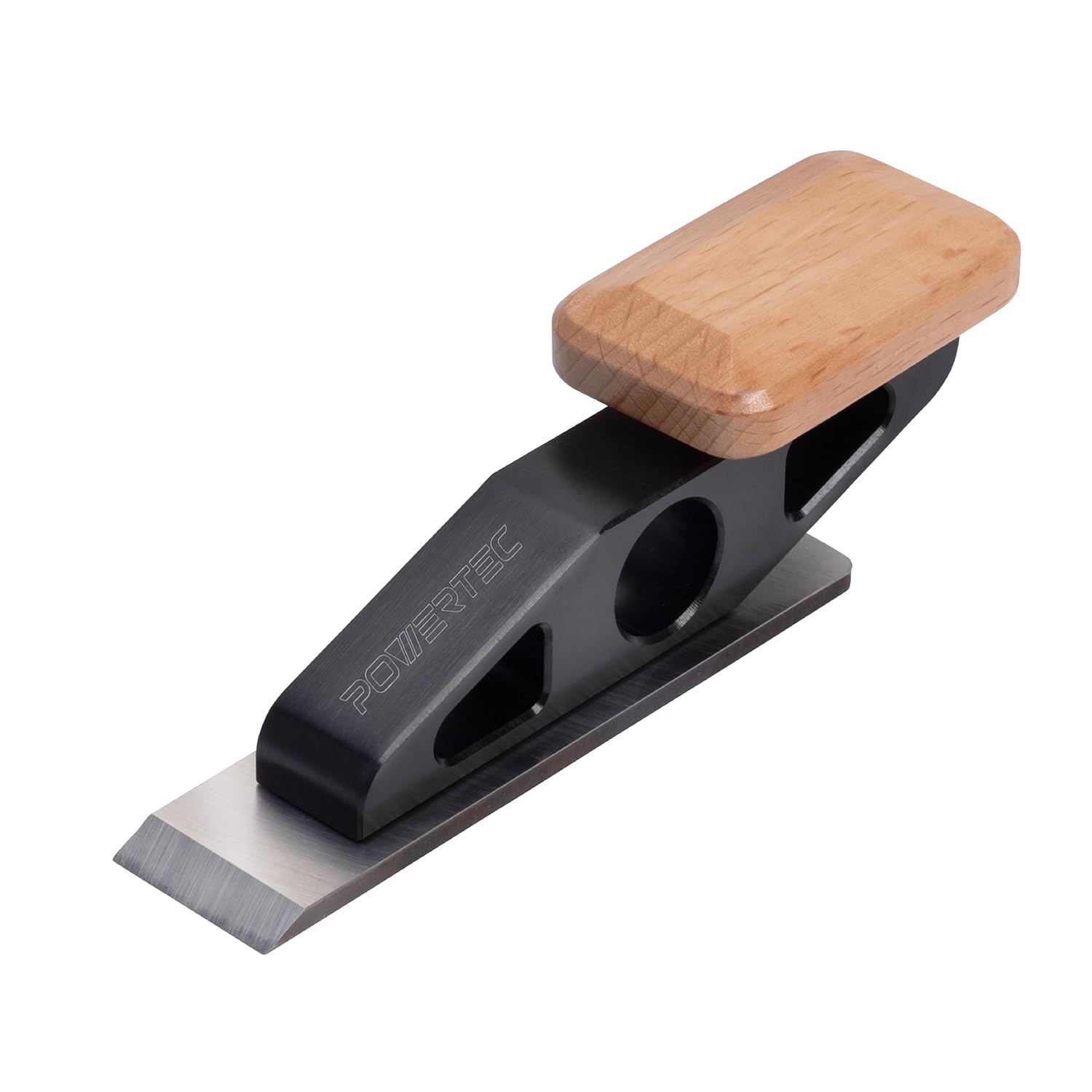
Powertec Chisel Plane

87 /100
Craft Score Excellent

Key details

Weight
5.92 oz
Adjustment
Blade Steel
SKD11 tool steel
Cutting Width
View on Amazon

The POWERTEC Chisel Plane’s compact design and SKD11 blade excel at cleaning squeeze-out without damaging adjacent surfaces. The blade arrives sharp and holds an edge with minimal maintenance, making it a cost-effective choice for joinery cleanup. It is purpose-built for glue removal and plug trimming — not a substitute for a bench plane. Long-term durability under frequent use remains unconfirmed given the limited time on the market.

Pros

  • Removes dried glue in tight joints without marring adjacent surfaces.
  • Blade arrives sharp and requires minimal maintenance to stay that way.
  • Cost-effective alternative to premium chisel planes for occasional use.

Cons

  • Designed only for niche cleanup tasks
Our verdict

For joinery cleanup where a full-size plane is overkill, this chisel plane delivers sharp, precise trimming at a fair price.

Check Latest Price
7

Fine Smoothing Final

Jorgensen No.4 Smoothing

87 /100
Craft Score Excellent

Key details

Weight
4.9 lbs
Adjustment
Adjustable cutting depth
Blade Steel
O1 tool steel
Cutting Width
View on Amazon

This Jorgensen No.4 produces clean smoothing cuts after minimal tuning, with a blade that holds its edge well for its mid-range price. Some units may require light sole lapping to achieve flatness, and if your needs lean toward a low-angle block plane, the top pick in this brand offers more versatility.

Pros

  • Works well as a smoother after a quick tune-up.
  • O1 steel blade arrives sharp and maintains its edge through extended use.

Cons

  • The sole may need light lapping to achieve flatness - a one-time setup task.
Our verdict

Best for woodworkers who want a traditional #4 smoother and are comfortable with basic tuning, but if you need a low-angle block plane, the Jorgensen No.60-1/2 offers more versatility at a similar price.

Check Latest Price
8

Small Chamfering Smoothing

KAKURI 42mm Japanese Plane

89 /100
Craft Score Excellent

Key details

Weight
Adjustment
Blade Steel
Japanese high-carbon steel
Cutting Width
1.42"
View on Amazon

This compact kanna delivers a razor-sharp blade and classic pull-plane feel at a low cost, ideal for chamfering and smoothing small surfaces. The oak block may warp over time, and the small cutting width limits it to light tasks rather than heavy stock removal.

Pros

  • Sharp blade cuts smoothly on small pieces without immediate honing.
  • Low cost makes it an accessible introduction to kanna technique.

Cons

  • Blade can get stuck in the wood body and requires disassembly to free.
Our verdict

A practical starter for hobbyists wanting to explore pull-plane work, but plan for occasional maintenance and avoid heavy stock removal.

Check Latest Price
9

Smoothing Chamfering

SUIZAN 2.4" Japanese

87 /100
Craft Score Excellent

Key details

Weight
Adjustment
Tapping blade
Blade Steel
Japanese steel
Cutting Width
2.4"
View on Amazon

The SUIZAN 2.4' kanna arrives sharp and produces a smooth finish ready for finishing. Its chip breaker helps reduce tearout on figured grain. However, blade adjustment requires tapping the blade (not intuitive for newcomers) and some units may experience edge chipping under heavy use. This makes it a better fit for light smoothing and chamfering than heavy stock removal.

Pros

  • Sharp out of the box with a polished finish
  • Includes chip breaker for reducing tearout on figured wood.

Cons

  • Edge chipping possible on heavy cuts
Our verdict

Best for woodworkers who want chip breaker on a Japanese plane and can work around manual blade adjustment.

Check Latest Price
10

Model Making Craft

Senkichi 40mm Block

84 /100
Craft Score Excellent

Key details

Weight
140 g
Adjustment
Blade Steel
Cutting Width
1.57"
View on Amazon

Affordable entry into Japanese planing with a blade that cuts well on softwoods. However, adjustability can be tricky, and some blocks arrive with poorly cut beds — expect to invest time in tuning before the plane performs reliably.

Pros

  • Budget-friendly way to experiment with Japanese pull-plane technique.
  • Blade arrives sharp and cuts cleanly on softwoods.

Cons

  • Size limits it to small craft and model work
Our verdict

Best for beginners who want to try a Japanese kanna on a tight budget, provided they are willing to tune the tool and limit their work to small projects.

Check Latest Price
11

Also Great

Stanley Sweetheart Jack

90 /100
Craft Score Outstanding
View on Amazon

The Stanley Sweetheart Jack arrives with a dead-flat sole and a blade that takes whisper-thin shavings immediately — no lapping or honing needed for most users. The one-piece frog design keeps the blade rigid during cuts, which helps on end grain and shooting board work. But the higher price compared to the WoodRiver alternative, combined with occasional tearout and mouthpiece durability issues in some units, keeps it from topping the premium class. This plane suits woodworkers who prioritize instant usability and low-angle shooting over long-term robustness or absolute value.

Pros

  • Sharp blade out of the box cuts end grain with minimal effort.
  • Sole and sides are flat and square, reducing setup time.

Cons

  • After repeated use, tearout and wear around the mouth can appear in some units.
Our verdict

Best for woodworkers who need a low-angle jack plane that works right away and are willing to accept possible durability tradeoffs over a lower-priced competitor like WoodRiver.

Check Latest Price
12

Edge Jointing Long

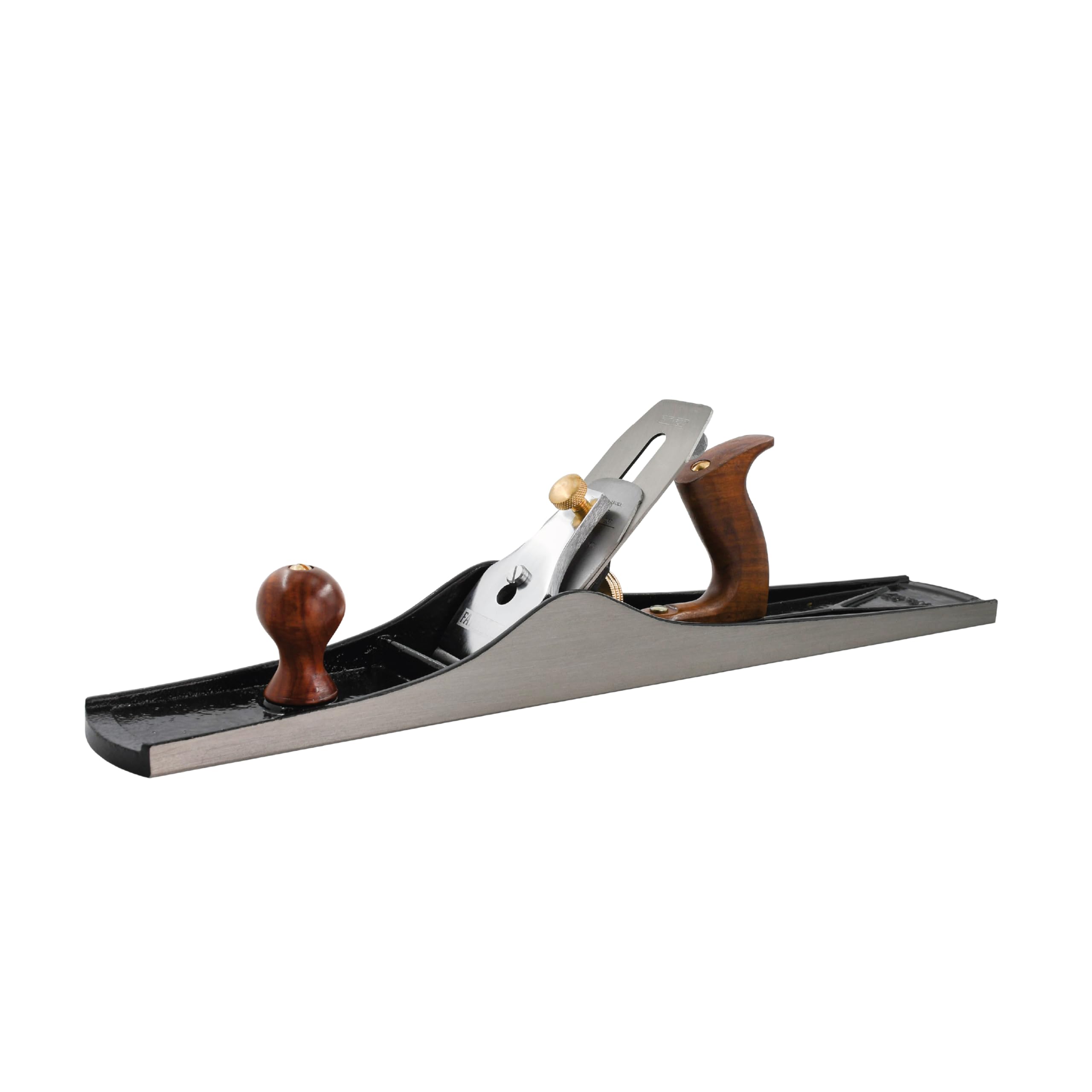
Faithfull No.7 Jointer

82 /100
Craft Score Excellent

Key details

Weight
9.3 lbs
Adjustment
Frog adjust
Blade Steel
Cutting Width
2.36"
View on Amazon

At under $102, this 22.91-inch jointer provides the length needed for flattening boards. However, the sole may require lapping and the frog casting can fracture during adjustment — this plane suits woodworkers who enjoy tuning and can handle possible casting defects.

Pros

  • Good value for a long jointer plane
  • Cuts well after tuning; stays sharp

Cons

  • Sole may need lapping to achieve flatness; frog seat casting can be rough
Our verdict

For woodworkers on a tight budget who enjoy tuning and can accept the risk of casting defects, this jointer plane delivers the length needed for edge jointing.

Check Latest Price

How to Choose

Blade Steel and Edge Retention

Blade steel determines how often you need to sharpen and how fine an edge you can achieve. O1 tool steel (common on Jorgensen models) holds an edge well and sharpens easily on standard stones. Premium planes use A2 or high-carbon steel that resists wear longer but requires diamond stones for sharpening.

Japanese laminated steel, found on KAKURI and SUIZAN planes, combines a hard cutting layer with a softer backing for a razor edge that is durable but more delicate. If you work with hardwoods or abrasive materials like particleboard, a tougher steel like A2 or O1 will need less frequent honing. For softwoods and trimmed end grain, laminated steel provides a noticeably sharper cut.

Sole Flatness

A flat sole is essential for consistent shaving thickness and preventing the plane from rocking. Budget cast-iron planes often have a convex or concave sole that requires lapping on sandpaper or a granite plate. For a plane that is flat from the factory, you typically need to spend over $70 or choose a premium brand like WoodRiver.

The time cost of lapping can be 30 minutes to an hour for a severely warped sole. If you plan to do precise joinery or smoothing, invest in a plane with documented out-of-box flatness. For rough work or a dedicated scrub plane, lapping is optional — the plane will still remove material quickly.

Adjustment Mechanism

Adjustment mechanisms control blade depth, lateral position, and mouth opening. The best systems use threaded knobs with fine threads that allow incremental changes without backlash. Cheaper planes use stamped metal yokes and coarse threads that are imprecise and prone to slipping during use.

Low-angle block planes with adjustable mouths let you dial in chip clearance for different wood types. Japanese kanna planes require hammer taps to set blade protrusion — a skill that takes practice but gives direct control. If you swap between tasks often, a plane with separate depth and lateral adjusters is more convenient than a single-knob system.

Cutting Width

Cutting width determines how wide a pass the plane takes. Block planes typically cut 1.25" to 1.5", which is sufficient for trimming edges and chamfers but slow for large panels. Bench planes (No.4, No.5) cut 2" and are the standard for smoothing and jointing.

Japanese planes come in widths from 40mm (1.57") to 60mm (2.36"). A wider blade removes material faster but requires more force on the pull stroke. For narrow stock or detailed work, a 1.25" blade is easier to control. For full-width panels, 2" or wider is more efficient.

Weight and Ergonomics

Weight affects how much momentum the plane carries through the cut and how quickly you fatigue. A 6.8 lb jack plane (WoodRiver) provides inertia for smooth jointing but tires the arm during long sessions. A 1.5 lb block plane (Jorgensen No.60-1/2) is nimble for one-handed trimming. Plastic planes like the Stanley Pocket at 9.6 oz are barely noticeable but lack the mass to cut cleanly on hardwoods.

Handle shape matters — contoured wood or rubber grips reduce hand fatigue. Beechwood or bubinga handles on mid-range planes absorb vibration better than plastic. For users with larger hands, a rear tote that is too thin can cause cramping. Test ergonomics in person if possible, especially for the primary bench plane.

Frequently Asked Questions