8 Best Paint Scraper for Wood 2026: Sharp Blades, No Rust Headaches

Find the right paint scraper for wood: carbide vs steel, ergonomic handles, and which ones survive moisture without rusting.

A paint scraper seems simple: a handle and a blade. But the wrong combination of blade material and handle design can turn a quick project into a frustrating afternoon of regrinding edges or dealing with rust spots. Steel scrapers rust if you clean them with water; carbide scrapers chip if you hit a nail. The key is matching the tool to the job.

This guide focuses on the real trade-offs that matter for woodworking and furniture restoration: blade longevity, handle comfort under prolonged use, and whether the tool can handle moisture without corroding. We separate tools that last from those that disappoint after a few uses.

1

Best Overall

Bahco BAH665 2.5" Carbide Scraper

96 /100
Craft Score Outstanding

Key details

Blade Width
2.5 inch
Blade Material
Carbide
Special Features
Slim head for corners
Handle Ergonomics
Ergonomic two-hand grip
View on Amazon

The carbide blade on this scraper cuts through thick paint, varnish, and epoxy without dulling after repeated use, making it a time-saver for large surface prep. The two-hand grip spreads pressure evenly, reducing hand fatigue during extended sessions. This combination of longevity and comfort suits professional contractors and serious DIYers who strip multiple pieces of furniture or entire rooms regularly.

Accidentally hitting a nail or hardened paint glob can chip the carbide blade, so clean surface inspection before scraping is wise. Some units arrive with a factory edge that leaves a wavy finish on certain woods; a quick pass with a diamond hone resolves it. These tradeoffs don't affect the intended buyer — someone who needs a durable, fast-cutting tool for flat surfaces, not fine detail work on intricate moldings.

💡 Inspect the surface for nails or hard debris before scraping to protect the blade from chipping.

Pros

  • Removes paint, varnish, and epoxy aggressively with minimal blade wear
  • Two-hand ergonomic handle reduces strain during long scraping sessions
  • Carbide blade stays sharp far longer than standard steel scrapers

Cons

  • Blade can chip if it strikes nails or hardened paint lumps
  • Factory edge may produce a wavy surface on some wood types
Our verdict

For frequent paint removal on flat wood, this scraper's carbide longevity and comfortable handle justify the premium price over steel alternatives.

Check Latest Price
2

Best Budget Multi-Tool

Bates 10-in-1 Painters Tool

95 /100
Craft Score Outstanding

Key details

Blade Width
1.5 inch (approx)
Blade Material
Alloy Steel
Special Features
10 functions: scraper, putty knife, can opener
Handle Ergonomics
Wood grip
View on Amazon

The Bates 10-in-1 combines a scraper, putty knife, can opener, and other functions into one budget-friendly tool. It handles light paint removal and small repairs adequately, but the alloy steel blade dulls faster than carbide and the handle can snap if forced into thick paint. This works well for occasional DIYers who want a single tool for multiple tasks, not professionals removing heavy layers.

💡 Keep pressure light and avoid prying — the handle works best for light scraping and puttying.

Pros

  • Packs scraper, putty knife, can opener, and more into one tool.
  • Cost-effective for occasional home repairs and light paint jobs.
  • Solid wood handle and steel blade for the price.

Cons

  • Applying heavy pressure on thick paint can cause the handle to snap.
  • Alloy steel blade dulls quicker than carbide and needs frequent sharpening.
Our verdict

For occasional paint touch-ups and small repairs, the Bates 10-in-1 delivers good value, but it is not built for heavy scraping or frequent professional use.

Check Latest Price
3

Best Heavy-Duty Scraper

Warner 90175 3" Chisel Scraper

95 /100
Craft Score Outstanding

Key details

Blade Width
3 inch
Blade Material
High Carbon Steel
Special Features
Hammer cap, chiseled edge
Handle Ergonomics
Ribbed finger grip, hammer cap
View on Amazon

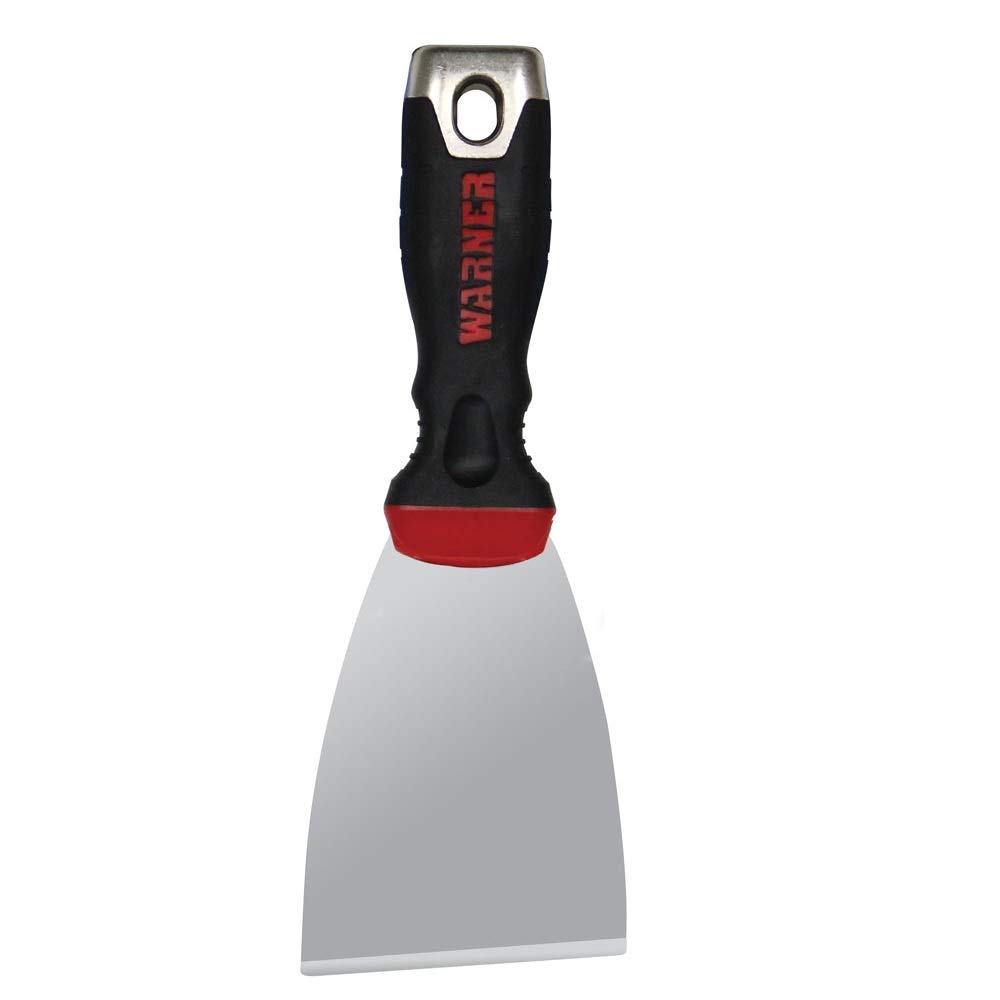
The Warner 90175 delivers brute force for heavy paint and flooring removal with its full-tang high-carbon steel blade and hammer cap. Unlike the top pick's carbide blade, this steel scraper takes a sharper edge but requires drying to prevent rust. It excels on flat surfaces and thick coatings, though the hammer cap can detach under extreme use and the rigid blade gouges soft wood. Best for professionals focused on tough stripping jobs, not fine furniture.

💡 Wipe the blade dry after each use and avoid striking hardened surfaces with the hammer cap to prevent detachment.

Pros

  • Sturdy all-metal construction with full-tang blade feels solid in hand.
  • Chiseled edge removes thick paint and coatings aggressively.
  • Hammer cap allows tapping into tight spaces without a separate tool.

Cons

  • Hammer cap can detach under heavy hammering in some cases.
  • Carbon steel blade may rust if not dried promptly after use.
Our verdict

For contractors and DIYers tackling thick paint, flooring adhesive, or tough coatings, the Warner 90175 delivers the brute force needed — just keep it dry and use the hammer cap sparingly.

Check Latest Price
4

Best for Fine Woodworking

Bahco Cabinet Scraper 6"

93 /100
Craft Score Outstanding

Key details

Blade Width
2.5 inch
Blade Material
Chrome-nickel steel
Special Features
Card scraper for fine finishing
Handle Ergonomics
Metal body (grip surface)
View on Amazon

For woodworkers who already own sharpening equipment, this card scraper produces glass-smooth surfaces without sanding dust. Unlike the carbide scraper built for aggressive paint removal, the Bahco excels at final prep, glue removal, and grain leveling on furniture projects.

It is best suited for experienced woodworkers and furniture restorers who are comfortable creating a burr with a burnisher. Beginners should expect a learning curve — the scraper arrives without a cutting edge and requires skill to prepare for use.

💡 Keep the scraper dry and apply a light oil film after use to prevent rust.

Pros

  • High-quality steel holds a sharp burr through extended use.
  • Produces fine shavings for final surface prep without sanding dust.
  • Works well for glue removal and leveling grain on restoration projects.

Cons

  • Requires skill to sharpen and create a burr; not usable straight out of the box.
  • Carbon steel can rust if stored in damp conditions without oil.
Our verdict

A precision tool for the skilled woodworker who already has sharpening gear — it is not a paint scraper nor suitable for beginners.

Check Latest Price
5

Best Contour Scraper Set

ALLWAY CS6 Contour Scraper Set

92 /100
Craft Score Outstanding

Key details

Blade Width
Various
Blade Material
Stainless Steel
Special Features
Blade file stored in handle
Handle Ergonomics
Soft-grip offset
View on Amazon

The ALLWAY CS6 includes six stainless steel blades and a file stored in the handle, making it a practical choice for restoring doors, windows, and intricate moldings. The soft-grip handle offers comfort during detailed scraping, but it can break under heavy pressure, so this set is not intended for aggressive flat-surface work. Blades may arrive needing a quick honing before first use. For DIYers focused on trim and profiles, this is a cost-effective alternative to a single rugged scraper.

💡 File the blades before first use to improve cutting performance.

Pros

  • Selection of blade shapes covers most molding profiles.
  • Comfortable soft-grip handle reduces hand fatigue during detailed work.
  • Effective at removing paint from intricate wood details.

Cons

  • Handle can break under heavy pressure
  • Blades may arrive dull and require filing before they cut well.
Our verdict

This set works well for detailed trim restoration when used with care, but choose a carbide scraper if you need to tackle large flat surfaces.

Check Latest Price
6

Best Budget Carbide Scraper

Holdly 2.5" Carbide Scraper

90 /100
Craft Score Outstanding

Key details

Blade Width
2.5 inch
Blade Material
Tungsten Carbide
Special Features
Ergonomic ball knob design
Handle Ergonomics
TPR rubber with ball knob
View on Amazon

Holdly's 2.5-inch carbide scraper removes paint and varnish efficiently at a lower price point than the Bahco alternative. The ergonomic ball handle and TPR grip reduce hand strain during moderate projects. However, the carbide blade may dull faster than premium brands and requires a diamond hone to restore its edge. This scraper suits DIYers who need carbide performance occasionally, not professionals tackling daily heavy-duty paint removal where longevity matters.

Pros

  • Removes paint and varnish from wood surfaces with minimal effort.
  • Costs significantly less than premium carbide scrapers like Bahco.
  • TPR handle with ball knob reduces hand fatigue during extended use.

Cons

  • Blade retaining clip feels thin and may not withstand repeated adjustments.
Our verdict

A sensible pick for budget-minded DIYers who accept occasional blade touch-ups.

Check Latest Price
7

Light Wall Scraping

Red Devil 4213 4" Wall Scraper

93 /100
Craft Score Outstanding

Key details

Blade Width
4 inch
Blade Material
High Carbon Steel
Special Features
Nail-setting head
Handle Ergonomics
Polypropylene, solvent-resistant
View on Amazon

This scraper offers good value for occasional indoor scraping, spackling, and drywall taping. The 4-inch high-carbon steel blade is stiff enough for light paint removal on flat surfaces. However, the blade can rust after first contact with moisture, and the handle may feel flimsy under heavy pressure. For wood paint removal, a carbide-blade scraper that resists rust is a better choice.

Pros

  • Good value for a wide stiff scraper
  • Works well for drywall taping and light scraping

Cons

  • Blade can rust quickly after first use if exposed to moisture or wet conditions
Our verdict

Best for occasional drywall patching and spackling where moisture is minimal, not for paint removal on wood.

Check Latest Price
8

Detailed Trim Scraping

Hyde 10450 Contour Scraper

90 /100
Craft Score Outstanding

Key details

Blade Width
Various
Blade Material
Steel (unspecified)
Special Features
6 blade profiles, trigger lock
Handle Ergonomics
Contoured plastic, offset
View on Amazon

Six blade profiles provide flexibility for detailed moldings, and tool-free blade changes are convenient. The locking mechanism may loosen during use, and the plastic handle can crack under sustained pressure — suited for light furniture and trim projects, not daily heavy scraping.

Pros

  • Wide variety of blade shapes for detailed trim work
  • Tool-free blade changes for quick profile swaps

Cons

  • Blade locking mechanism may loosen during use, allowing the blade to shift
Our verdict

Works well for homeowners who need multiple blade profiles for light-duty furniture and trim scraping.

Check Latest Price

How to Choose

Blade Material: Carbide vs Steel

Carbide blades hold an edge 50 times longer than steel and resist rust entirely. They excel on tough coatings like epoxy and thick paint. The trade-off: carbide is brittle and can chip if you hit nails or hardened paint lumps. Keep a diamond hone ready for minor touch-ups.

Steel blades are cheaper and easier to sharpen with a file, but they rust quickly when exposed to moisture. High-carbon steel models require immediate drying after use. For outdoor or wet projects, choose carbide or stainless steel to avoid corrosion.

Blade Width

Wider blades (3-4 inches) cover more surface area per stroke, speeding up large flat projects like tabletops or floors. But they are harder to control on curves and tight corners. Narrow blades (2 inches) are more maneuverable for trim and detail work but require more passes.

Most DIY homeowners find a 2.5 inch width a good compromise. If you frequently work on intricate moldings, a contour scraper set with multiple profile shapes is more effective than a single wide blade.

Handle Ergonomics

A handle that transfers force efficiently reduces hand fatigue during long sessions. Look for two-hand grips (like the Bahco design) that let you push with your palm and guide with your fingers. Rubber or TPR overmolding provides a secure grip even with sweaty hands.

Wood handles look classic but become slippery when wet. Plastic handles can crack under heavy pressure. Metal full-tang handles (like the Warner) are the most durable but may transmit cold in winter. Test the grip before committing if possible.

Replaceable Blade System

Replaceable blade scrapers allow you to swap in a fresh edge without sharpening. This is ideal for professionals who burn through blades quickly. However, the mechanism can loosen over time (common on contour scrapers), causing the blade to shift mid-stroke.

Fixed-blade scrapers (like the cabinet scraper or solid chisel type) require periodic sharpening but often provide a more rigid connection. For occasional users, a fixed blade with a sharpening stone is cheaper and less prone to parts failure.

Special Features

Multi-tool scrapers combine a putty knife, can opener, and other functions in one handle. They save space but often sacrifice durability because the thin steel blade isn't designed for heavy prying. Hammer caps on chisel scrapers let you tap the tool into tight spots, but the cap may detach under extreme force.

Contour scraper sets with multiple blade profiles are essential for restoring doors, window frames, and crown molding. Check that the blade locking mechanism is robust – many budget sets have plastic triggers that break. A built-in file in the handle is a handy bonus for field sharpening.

Frequently Asked Questions