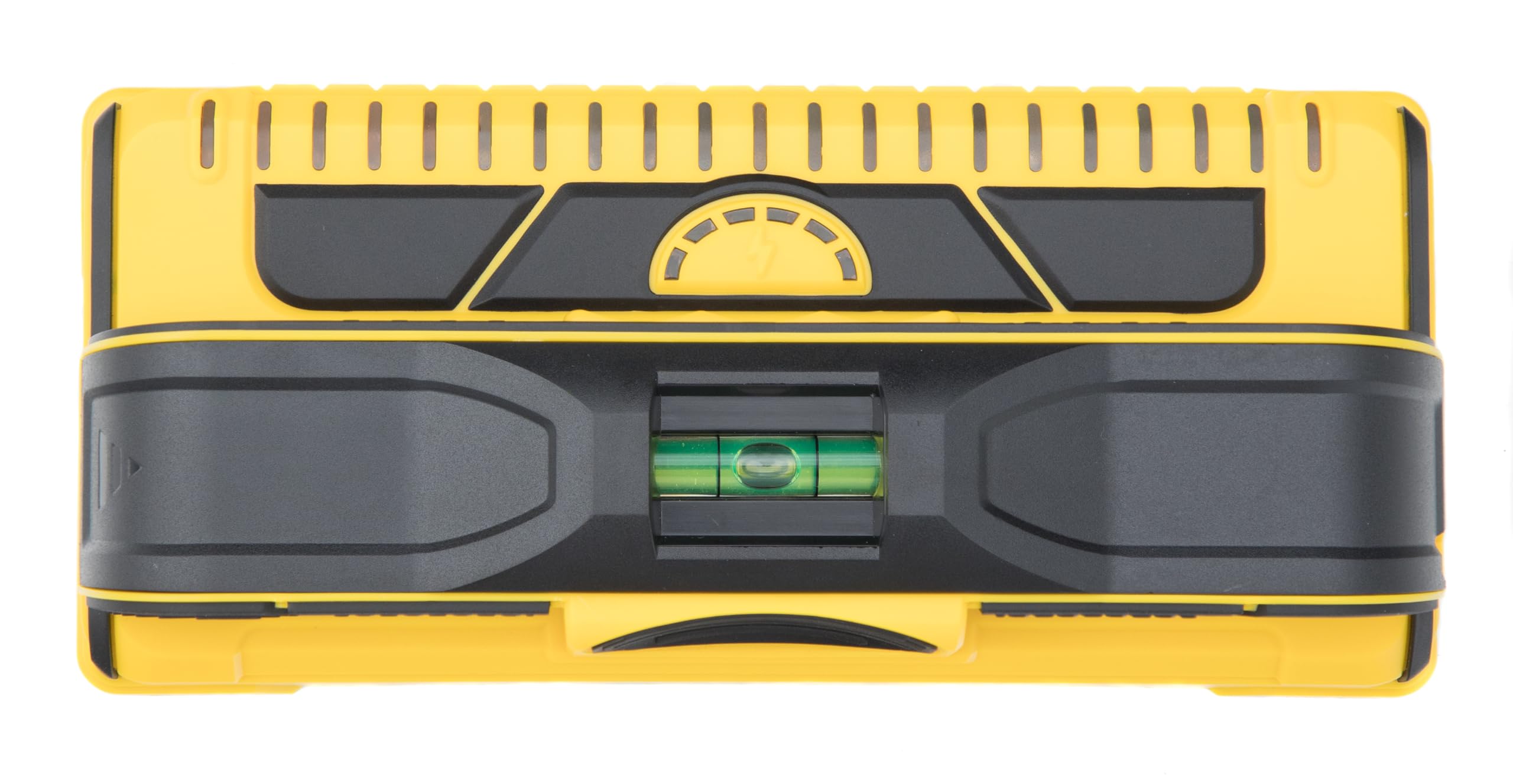
10 Best Stud Finder of 2026: Reliable Detection Without the Hype

Find the stud finder that actually works on your walls – magnetic or electronic – without overspending on features you won't use.

Many stud finders promise precision but deliver false beeps and dead batteries. The real problem isn't a lack of features – it's that most buyers choose the wrong tool for their walls.

Magnetic finders often outperform budget electronics on standard drywall, yet they're overlooked for flashier models. This guide helps you match the tool to your wall type and task, so you get reliable results – whether hanging a picture or mapping a full wall of cabinets.

1

Best Overall

Franklin M210

93 /100
Craft Score Outstanding

Key details

Live Wire
Yes
Calibration
Auto
Power Source
2 AA
View on Amazon

The Franklin M210’s 13-sensor array and auto-calibration locate stud edges and centers on the first pass, with a wide LED display that shows full stud width. Live wire detection adds a layer of safety when drilling near electrical lines – a feature that sets it apart from many electronic finders at this price tier.

The body is bulkier than slimmer competitors, so one-handed operation takes more effort – two hands provide steadier scans. The premium price reflects the accuracy and build quality; for casual picture-hanging, a magnetic finder is simpler and cheaper. This is the tool for homeowners mounting heavy shelves, pros framing or running wire, or anyone who values precision over pocket space.

💡 Two-handed operation provides steadier scans and better control with the larger body.

Pros

  • Locates stud edges and centers in one pass with full-width LED display
  • Live wire detection alerts you to electrical lines before drilling
  • Durable construction holds up to daily job-site use

Cons

  • Higher price compared to basic electronic and magnetic models
  • Bulkier shape makes one-handed scanning less comfortable
Our verdict

For serious DIYers and pros who need precise stud location and live wire safety, the M210 delivers the most complete package – no calibration, full stud width display, and durable build.


Check Latest Price
2

Best Magnetic / Budget Pick

StudBuddy Original

91 /100
Craft Score Outstanding

Key details

Live Wire
No
Calibration
None
Power Source
None
View on Amazon

The StudBuddy uses a neodymium magnet to locate drywall screws – no batteries or calibration needed. It works dependably on standard drywall and wood, making it a logical choice for quick tasks like hanging pictures or shelves. However, it won't detect screws on plaster or lathe walls, and the magnet may not pick up screws set deep in thick paint layers. For budget-conscious homeowners tackling basic drywall projects, this is a no-brainer addition to the toolbox.

💡 Best results on standard drywall – test on an inconspicuous area if paint layers are thick.

Pros

  • No batteries or calibration required, always ready to use.
  • Hands-free operation: sticks to screws for easy marking.
  • Budget-friendly price with no ongoing costs.

Cons

  • Does not work on plaster or lathe walls; thick paint can block detection.
  • Magnet pull force may not detect deeply set screws.
Our verdict

For standard drywall projects, this magnetic finder offers consistent performance at a budget-friendly price.

Check Latest Price
3

Best for Plaster Walls

StudPoP

91 /100
Craft Score Outstanding

Key details

Live Wire
No
Calibration
None
Power Source
None
View on Amazon

The StudPoP's moving magnet pops up visibly through lath and plaster where electronic sensors often give false readings. Owners of pre-war homes or tile bathrooms get consistent detection without batteries or calibration. Unlike basic magnetic finders that work best on drywall, this one is built for tricky surfaces. However, the magnet may not detect fasteners buried under thick paint layers, and it only indicates fastener location, not stud center.

💡 Move the StudPoP slowly and flat against the wall; for thick paint, try multiple passes at different angles.

Pros

  • Works on lath, plaster, and tile where electronic finders produce false readings
  • No batteries required; visual and audible pop-up indicator

Cons

  • Only indicates fastener location, not the center of the stud
  • Magnet may not detect screws under thick paint or multiple layers on plaster walls
Our verdict

If your walls are plaster or tile, this budget-friendly magnetic finder is more dependable than expensive electronics — just account for its limited detection depth on heavily painted surfaces.

Check Latest Price
4

Best Budget Electronic

JAXWQ 5-in-1

88 /100
Craft Score Excellent

Key details

Live Wire
Yes
Calibration
Manual
Power Source
9V
View on Amazon

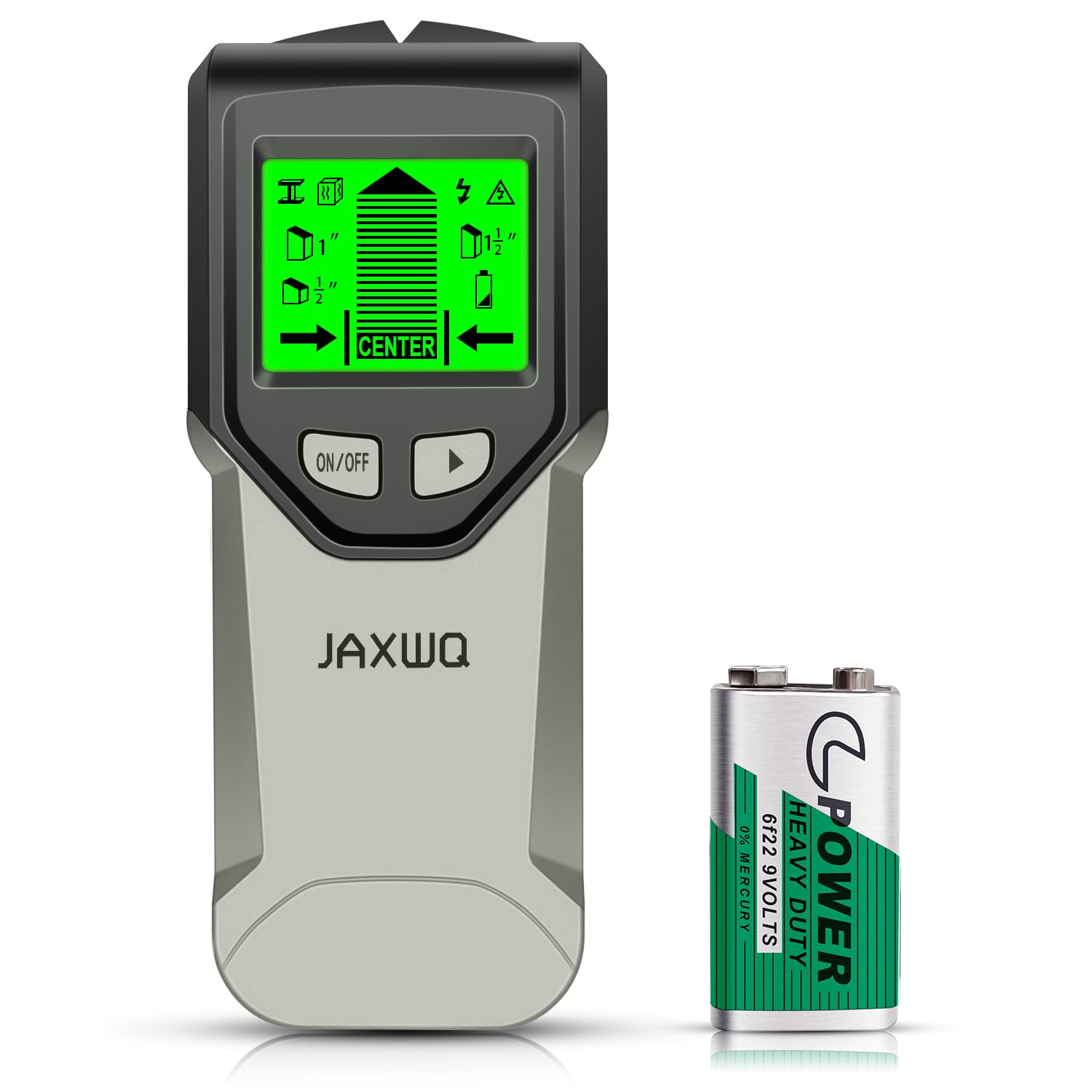
The JAXWQ 5-in-1 packs stud, metal, and AC wire detection into a tool that fits first-time buyers who want features without spending much. The backlit LCD clearly shows what it finds, and the audio alert helps confirm edges and centers.

Each use requires manual calibration — reading the short guide makes a difference. The all-plastic body feels light, which some may find cheap. This suits budget-conscious DIYers tackling standard drywall projects, not daily professional work.

💡 For consistent results, read the calibration guide before first use and re-calibrate on each new wall surface.

Pros

  • Affordable with multiple detection modes and clear LCD display
  • Good accuracy for the price; finds center and edge

Cons

  • Plastic build may feel less premium in hand
  • Calibration can be finicky without following the instructions each time
Our verdict

A good entry-level option for first-time DIYers who want AC detection without spending much, provided they accept the manual calibration and lightweight build.

Check Latest Price
5

Best Franklin Value

Franklin M90

88 /100
Craft Score Excellent

Key details

Live Wire
No
Calibration
Auto
Power Source
2 AAA
View on Amazon

The M90 uses nine sensors to display full stud width, delivering the same core accuracy as Franklin's pricier models in a body that fits one hand comfortably. It auto-calibrates and needs no setup, making it easy to grab and use for light home projects. This is the choice for anyone who wants Franklin performance on a budget — just keep in mind it won't detect electrical wiring, and unit longevity can vary between samples, so it best suits occasional rather than daily use.

💡 Pair with a non-contact voltage tester when drilling near outlets or switches.

Pros

  • Shows full stud width for precise fastener placement
  • Compact and simple one-hand operation with no calibration

Cons

  • No live wire detection
  • Longevity can vary between units; some may need replacement sooner than expected
Our verdict

A sensible option for budget-conscious DIYers who want Franklin accuracy without the extras — fine for occasional stud hunting, but not a do-everything tool.

Check Latest Price
6

Level Integrated

StudBuddy Pro

90 /100
Craft Score Outstanding

Key details

Live Wire
No
Calibration
None
Power Source
None
View on Amazon

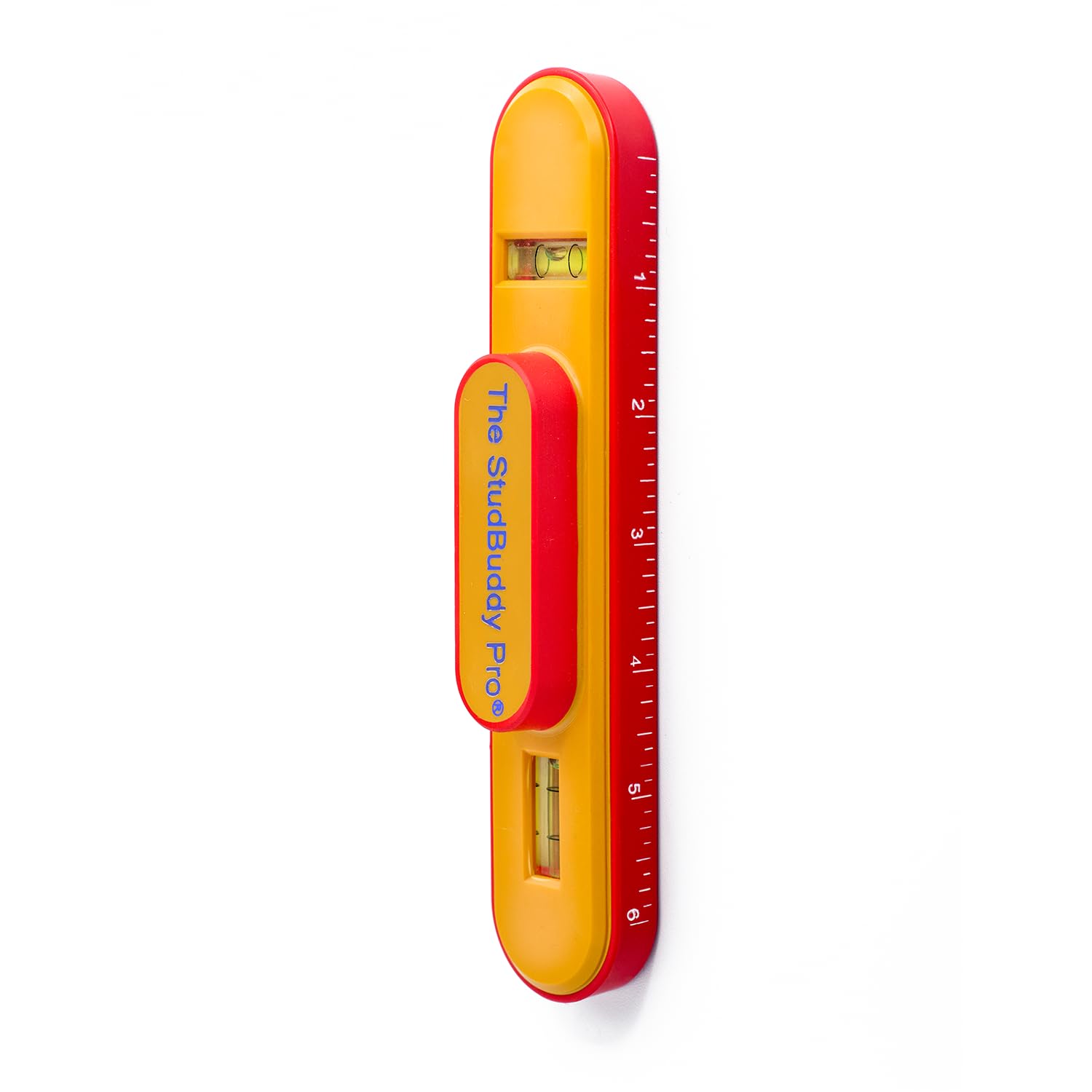
The StudBuddy Pro combines magnetic stud detection with integrated levels, removing the need for a separate level. It finds screws consistently on standard drywall. However, it costs more than the basic StudBuddy, and the heavier body may lose hold on some wall surfaces. Not for plaster walls.

Pros

  • Integrated vertical and horizontal levels eliminate the need for a separate tool.
  • Magnetic detection works without batteries and locates studs through drywall.

Cons

  • Heavier than basic models and may not stay attached on textured or thick paint.
Our verdict

A good option for DIYers hanging pictures or shelves who want a level built in, provided they work with standard drywall and are okay paying a premium over the basic StudBuddy.

Check Latest Price
7

Fast Stud Mapping

Rack-A-Tiers Stud Ball

95 /100
Craft Score Outstanding

Key details

Live Wire
No
Calibration
None
Power Source
None
View on Amazon

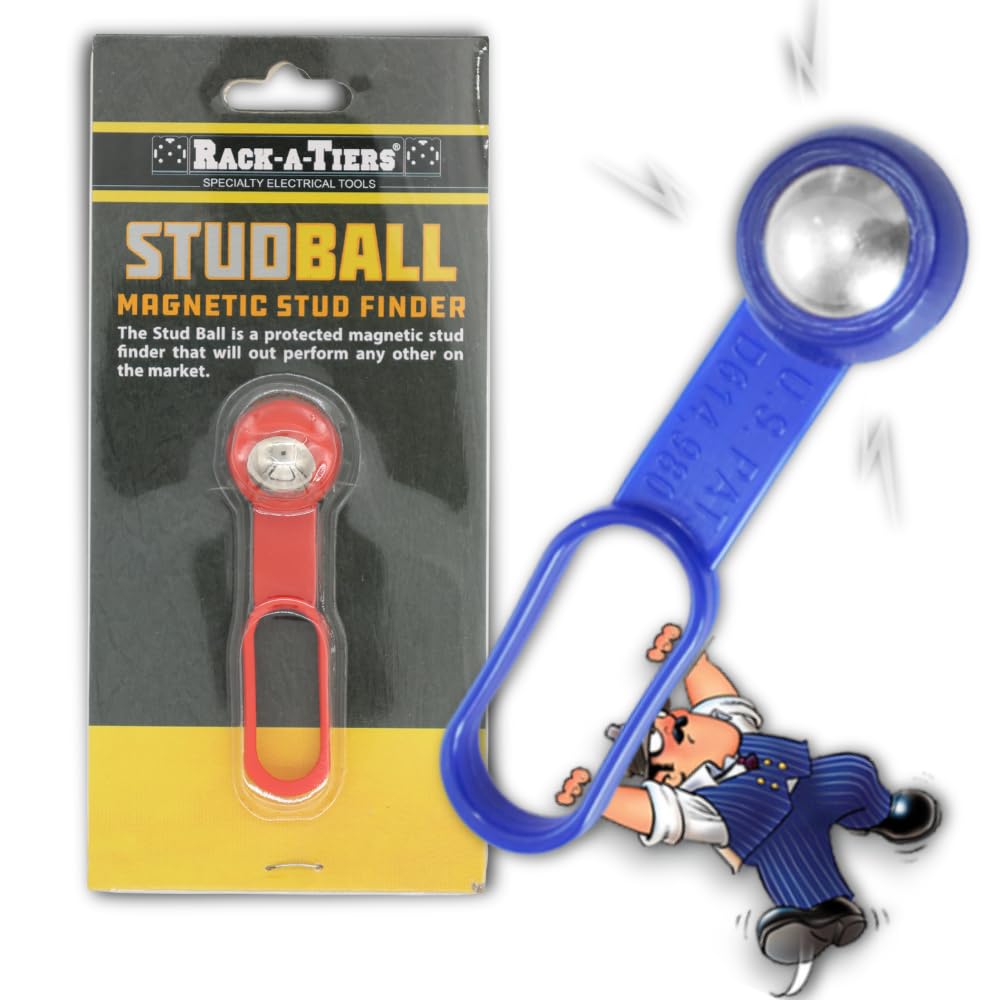
This magnetic ball finds screws fast, even through thick drywall or metal studs. It works best for pros mapping multiple studs quickly. But it can scratch painted walls if dragged, and it lacks a marking guide or level — it only detects ferrous fasteners, not stud centers or wires.

Pros

  • Extremely strong magnet finds screws through thick materials.
  • Locates 40+ studs in under a minute for rapid mapping.

Cons

  • May mark painted walls if dragged roughly across the surface.
Our verdict

Best for pros who need to rapidly locate fasteners in heavy drywall or metal studs, but not for delicate painted walls or center-finding.

Check Latest Price
8

Budget DIYer

Jurgen K 5-in-1

88 /100
Craft Score Excellent

Key details

Live Wire
Yes
Calibration
Manual
Power Source
9V
View on Amazon

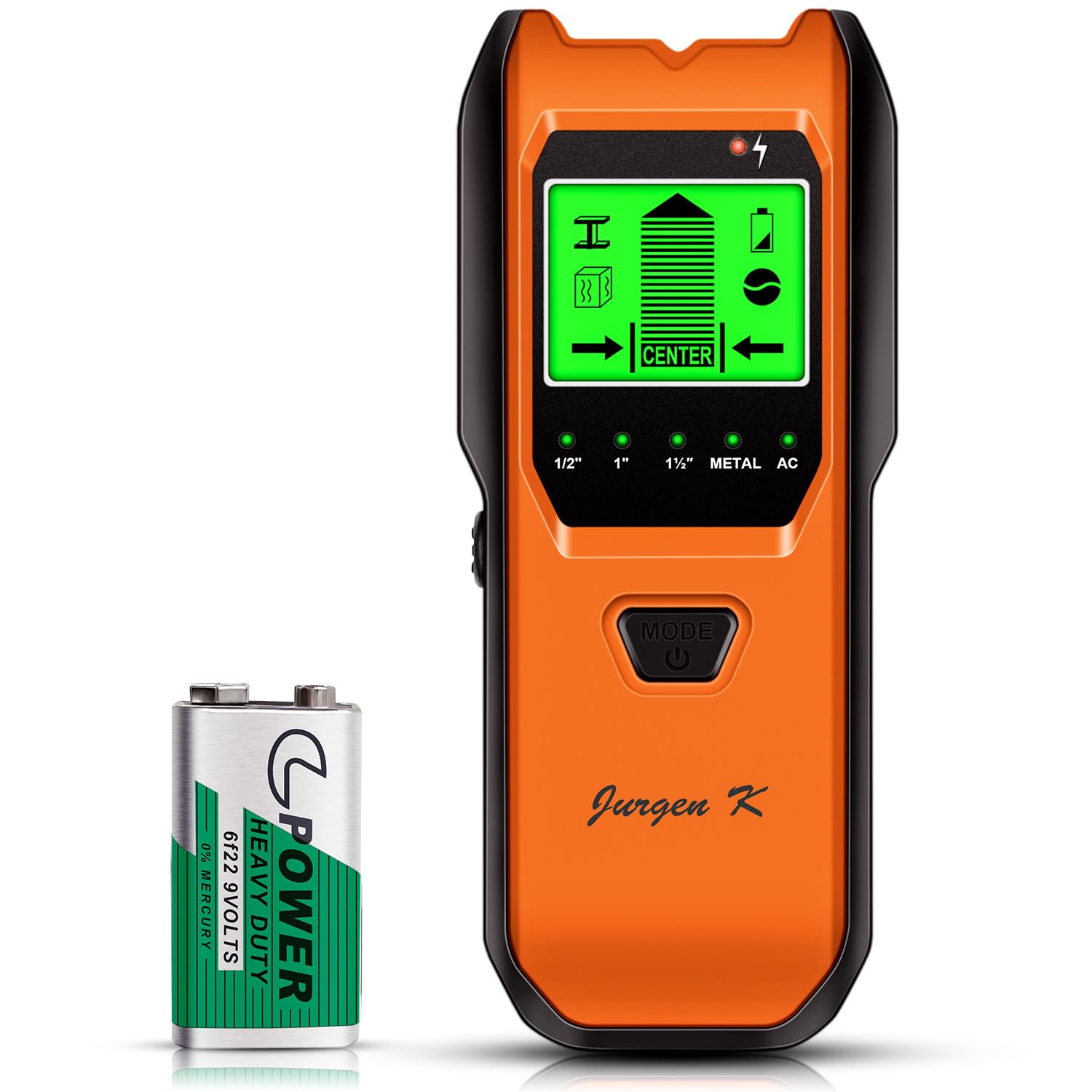
The Jurgen K 5-in-1 offers multiple scanning modes and an easy-to-read LCD at a budget price – similar value to the JAXWQ. However, the plastic build can feel flimsy, and careful calibration is necessary for accurate readings. This suits beginners or casual DIYers on a tight budget, but those needing a more robust daily tool may want to look elsewhere.

Pros

  • LCD screen provides clear, accurate readings for stud and wire detection.
  • Five scanning modes offer good versatility for a budget-friendly tool.

Cons

  • Plastic construction may feel less durable than more premium models.
Our verdict

A decent pick for occasional home projects where budget is the primary concern and you can accept a less premium feel.

Check Latest Price
9

Two-Pack Value

CH Hanson 2-Pack

95 /100
Craft Score Outstanding

Key details

Live Wire
No
Calibration
None
Power Source
None
View on Amazon

Strong magnets grip drywall screws firmly; built-in level speeds alignment. Two-pack suits quick picture hanging on standard drywall. However, it works only on ferrous fasteners — not for plaster or metal studs. The compact size is easy to lose, and pull force is less than larger magnetic finders, so treat it as a handy spare.

Pros

  • Magnets hold firmly to drywall screws
  • Built-in level eliminates need for separate tool

Cons

  • Compact size can be mislaid between uses
Our verdict

Best as a spare stud finder for quick, low-stakes hanging jobs where a lost tool or limited fastener compatibility isn't a dealbreaker.

Check Latest Price
10

Budget Multi-Tool

Mecurate 5-in-1

88 /100
Craft Score Excellent

Key details

Live Wire
Yes
Calibration
Manual
Power Source
9V
View on Amazon

The Mecurate 5-in-1 stud finder offers clear LCD graphics and a handy pouch, making it easy to grab and start scanning. Its budget-friendly price includes a 9V battery, so there’s nothing extra to buy. However, accuracy can be hit-or-miss — some units may give false positives on standard drywall, and the battery may arrive dead. This is a tool for occasional use when you’re willing to test and exchange if needed, not for precision work.

Pros

  • Clear LCD display and included carrying pouch for easy storage and portability.
  • Good value with a 9V battery included at a budget-friendly price.

Cons

  • Accuracy may vary between units, with potential false positives on some walls.
Our verdict

Suitable as a backup or for light DIY tasks where you can afford to double-check results with a simpler method.

Check Latest Price

How to Choose

Sensor Count and Array Width

More sensors (like Franklin's 13) display the full width of a stud, not just one edge – helpful for centering screws. Fewer sensors mean more passes to map the stud.

For most DIY work, 9 sensors are enough. The trade-off is speed: a wider array shows stud edges in one sweep, saving time when hanging cabinets or shelves.

Detection Depth

Standard depth (0.75 inches) works for typical drywall over wood studs. Deep scan modes (up to 1.5 inches) are needed for thicker walls, tile, or over plaster.

With deep scan, accuracy often drops because the sensor reads more material. It's useful for locating studs behind double drywall but not for precise edge finding.

Live Wire Detection

AC detection reduces the risk of drilling into live wires. It scans for electrical fields, but can false-alert on metal lath or old wiring.

If you drill near outlets, switches, or light boxes, this feature adds peace of mind. For simple picture hanging, it's overkill – magnetic finders are safer from false alerts.

Calibration Requirement

Auto-calibration (Franklin models) eliminates a step – just place on the wall and scan. Manual calibration requires pressing a button on a clear spot each time.

Manual calibration is common on budget electronics. Forgetting or doing it on a stud leads to false readings. Auto-calibration is worth the premium if you use the tool frequently.

Power Source

Magnetic finders need no batteries – always ready, no drain. Electronic finders use 9V or AA batteries, and some arrive with dead batteries or drain quickly if left on.

Battery life matters for daily use. Magnetic tools are simpler for occasional hanging; electronics suit regular work where detection depth and wire sensing are needed.

Frequently Asked Questions