8 Best Wood Primer of 2026: Match Your Project's Surface and Finish

The best wood primer for furniture, trim, or crafts — from spray to brush-on, find the one that sticks and blocks stains for your specific project.

Primer seems simple until a spray nozzle clogs mid-job or a water stain bleeds through your paint. The category is full of products that work great on some surfaces but fail on others.

The key is matching the primer to the project: a brush-on for a full dresser, a spray for a quick chair touch-up, a shellac for smoke damage. We've sorted through the options to give you a shortlist based on what actually sticks, blocks, and dries on schedule.

Ignore marketing labels like 'all-purpose' and focus on the real trade-offs: adhesion to glossy wood vs. raw wood, stain-blocking power vs. fast drying, and spray convenience vs. nozzle reliability. The right choice saves you a second coat and a trip back to the store.

1

Best Overall

Zinsser Bulls Eye 1-2-3 Primer

92 /100
Craft Score Outstanding

Key details

Adhesion
Excellent on wood
Coverage
100 sq ft per quart
Drying Time
1 hr recoat
Stain Blocking
Good general
View on Amazon

Zinsser Bulls Eye 1-2-3 dries to recoat in one hour and bonds directly to glossy wood, eliminating the need for sanding before priming. Coverage is generous at 100 sq ft per quart, making it a time-efficient base for furniture, trim, and walls.

This water-based primer hides minor blemishes and evens out surface porosity, but its stain-blocking capability has limits. Heavy water marks or smoke stains may require two coats or a shellac-based primer like Zinsser B-I-N. For everyday wood prep where stubborn stains aren't present, this is the more economical and faster-drying option.

💡 For heavy water stains, apply two coats or switch to a shellac primer for one-coat coverage.

Pros

  • Adheres to glossy wood without sanding
  • Recoat-ready in one hour
  • Covers 100 sq ft per quart with good hide for blemishes

Cons

  • Not intended for spray application
  • Heavy water or smoke stains may need multiple coats or a shellac primer
Our verdict

Best for general wood priming where heavy stains aren't present; for water or smoke stains, consider a shellac primer.

Check Latest Price
2

Best Spray for Small Projects

Rust-Oleum Painter's Touch Primer

95 /100
Craft Score Outstanding

Key details

Adhesion
Good
Coverage
12 sq ft per can
Drying Time
20 min touch
Stain Blocking
Good
View on Amazon

Rust-Oleum Painter's Touch delivers impressive one-coat hiding power on small wood surfaces, making it a cost-effective alternative to the pricier Rust-Oleum Professional spray for budget-focused DIYers. It adheres well to prepared wood, plastic, and metal, drying to touch in 20 minutes. This primer suits quick projects like furniture spray-painting or 3D prints where only a few ounces are needed. The spray nozzle can clog during use or arrive broken in some cans — inspect the tip and test-spray before starting.

💡 Test the spray on a scrap piece before applying to your project to catch any nozzle issues.

Pros

  • One-coat coverage on small wood projects saves time and primer.
  • Great value for small jobs, costing a fraction of larger spray cans.
  • Adheres to prepared wood, plastic, and metal without issue.

Cons

  • Spray nozzle may clog; some cans arrive with broken spray tips.
Our verdict

If you need a budget-friendly spray primer for small wood projects and don't mind checking the nozzle, this is a smart pick.

Check Latest Price
3

Best for Difficult Surfaces

INSL-X Stix Bonding Primer

92 /100
Craft Score Outstanding

Key details

Adhesion
Excellent on non-porous
Coverage
300-400 sq ft per gal
Drying Time
3 hr recoat
Stain Blocking
Average
View on Amazon

The INSL-X Stix grabs hold of glossy wood, laminate, and other slick surfaces that typical primers can’t stick to. That makes it a specialized option if you’re repainting cabinets or furniture with a glossy finish, where adhesion is the main challenge. For routine wood priming, a standard brush-on primer like the Zinsser Bulls Eye 1-2-3 delivers the same job at a lower cost. At a premium price, this primer also requires thorough cleaning and light sanding of the substrate to avoid peeling — skipping prep can lead to adhesion failure later.

💡 Always clean and lightly sand the surface before application to prevent peeling.

Pros

  • Sticks aggressively to glossy and non-porous wood surfaces without sanding.
  • Low odor and cleans up with soap and water
  • Covers up to 400 sq ft per gallon, hiding minor surface imperfections.

Cons

  • Pricier than general-purpose primers for basic wood jobs.
  • Adhesion can fail if the surface isn’t cleaned and sanded beforehand.
Our verdict

Choose this primer only when you’re painting over glossy or sealed wood where standard primers won’t hold — for everyday wood priming, you’ll get better value elsewhere.

Check Latest Price
4

Best Stain & Odor Blocker

Zinsser B-I-N Shellac Primer

91 /100
Craft Score Outstanding

Key details

Adhesion
Excellent on wood
Coverage
35 sq ft per quart
Drying Time
45 min recoat
Stain Blocking
Excellent
View on Amazon

Superior stain blocking locks in water marks, nicotine, and pet odors on wood surfaces where standard primers struggle. The synthetic shellac formula also adheres well to raw wood and MDF, drying in 45 minutes for fast recoating. This is a specialized tool rather than a general-purpose primer — the thin consistency can drip if applied too heavily, and the quart covers only 35 sq ft, so it suits spot treatment or small projects where stain blocking is the top priority.

💡 Apply in thin, even coats — the shellac dries fast, but heavy application can cause drips.

Pros

  • Locks in water marks, nicotine, and tannins better than any other primer tested.
  • Bonds securely to raw wood and MDF without sanding.
  • Dries in 45 minutes and sands smooth with minimal effort.

Cons

  • Thin consistency can lead to drips if applied too heavily.
Our verdict

Choose Zinsser B-I-N when stain blocking is non-negotiable; for general wood priming with better coverage per dollar, the Bulls Eye 1-2-3 is a more practical daily driver.

Check Latest Price
5

Best Rust-Resistant Spray

Rust-Oleum Professional Primer

94 /100
Craft Score Outstanding

Key details

Adhesion
Good
Coverage
12 sq ft per can
Drying Time
Slow (24h+)
Stain Blocking
Good
View on Amazon

This spray primer provides a corrosion-resistant base that holds up on outdoor wood and metal surfaces. The nozzle can clog mid-project, and drying times often exceed the advertised 15 minutes — cure fully before topcoating. It works best for outdoor furniture or metal fixtures where durability matters more than speed.

💡 Shake the can thoroughly and test spray on scrap paper to clear any nozzle blockage before you begin.

Pros

  • Smooth, even application with good coverage per can.
  • Effective rust and corrosion resistance for outdoor projects.
  • Durable finish withstands weather and wear.

Cons

  • Spray nozzle can clog mid-use; some cans arrive non-functional.
  • Drying time can take over 24 hours
Our verdict

This primer suits outdoor wood projects that need a tough, rust-resistant base, but budget extra time for drying and check nozzle function before starting.

Check Latest Price
6

Best Clear Bonding Primer

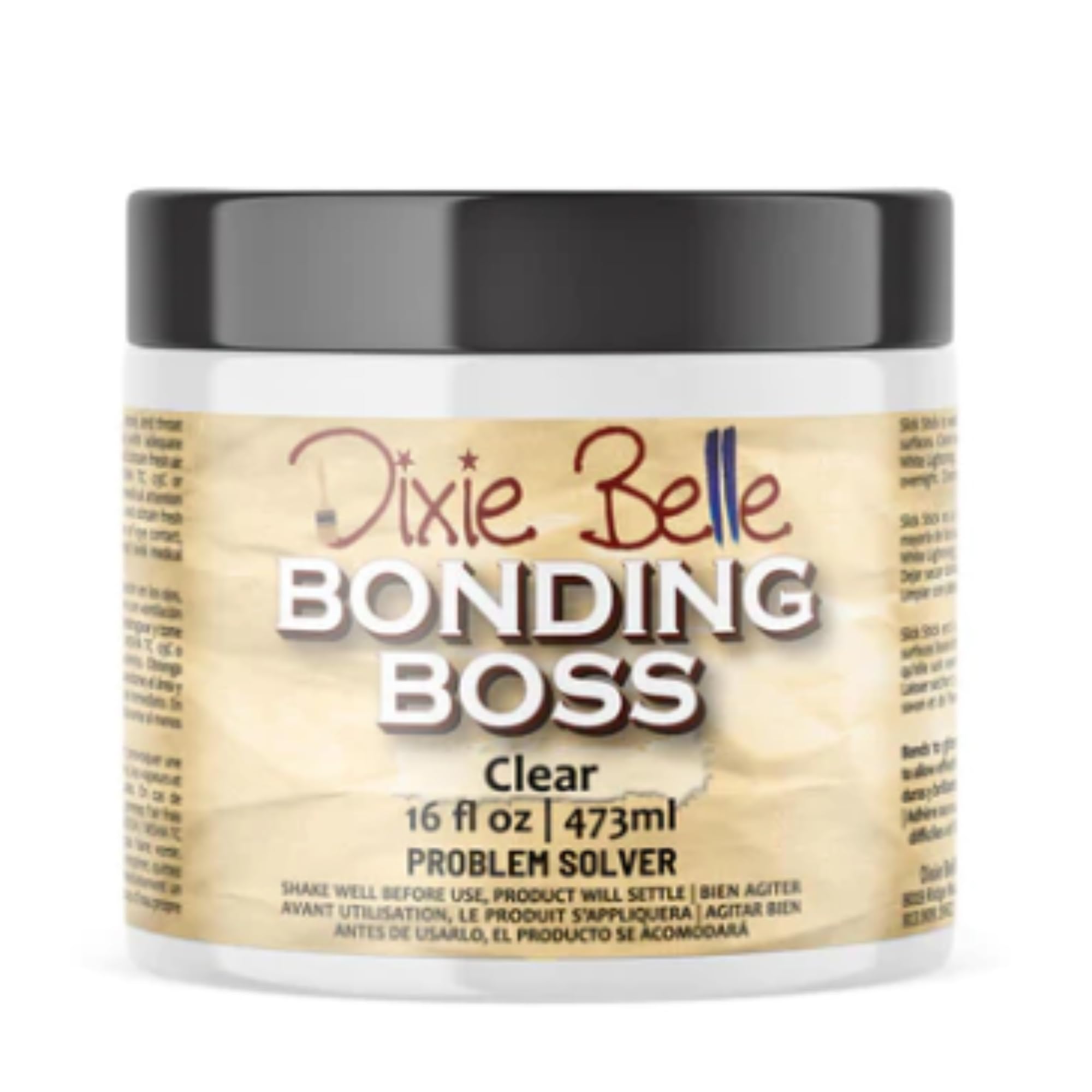
Dixie Belle Bonding BOSS

93 /100
Craft Score Outstanding

Key details

Adhesion
Excellent on slick
Coverage
80 sq ft per 16 oz
Drying Time
1 hr recoat, 24h cure
Stain Blocking
Average
View on Amazon

Dixie Belle Bonding BOSS is a clear primer that adheres securely to non-porous surfaces like laminate, sealed wood, and glossy paint. Unlike the top pick's opaque white base, this clear formula leaves topcoat colors true — particularly useful for dark paints or distressed finishes where a white primer would show through.

Best for small furniture refinishing projects that involve slick or previously painted wood. The premium price for a 16 oz container limits its use to targeted problem surfaces rather than routine wood priming. For heavy stain blocking, an extra coat may be needed — plan accordingly.

Pros

  • Bonds securely to laminate, glossy wood, and painted surfaces without sanding.
  • Clear formula preserves the topcoat color
  • Works as a reliable base for refinishing tough surfaces like cabinets or dressers.

Cons

  • Coverage on heavy stains may require a second coat.
  • Premium-priced for a small 16 oz container
Our verdict

A go-to primer when you need to paint over glossy or laminate wood without a white base layer. For routine wood priming, a standard opaque primer offers better value.

Check Latest Price
7

Quick Spray Jobs

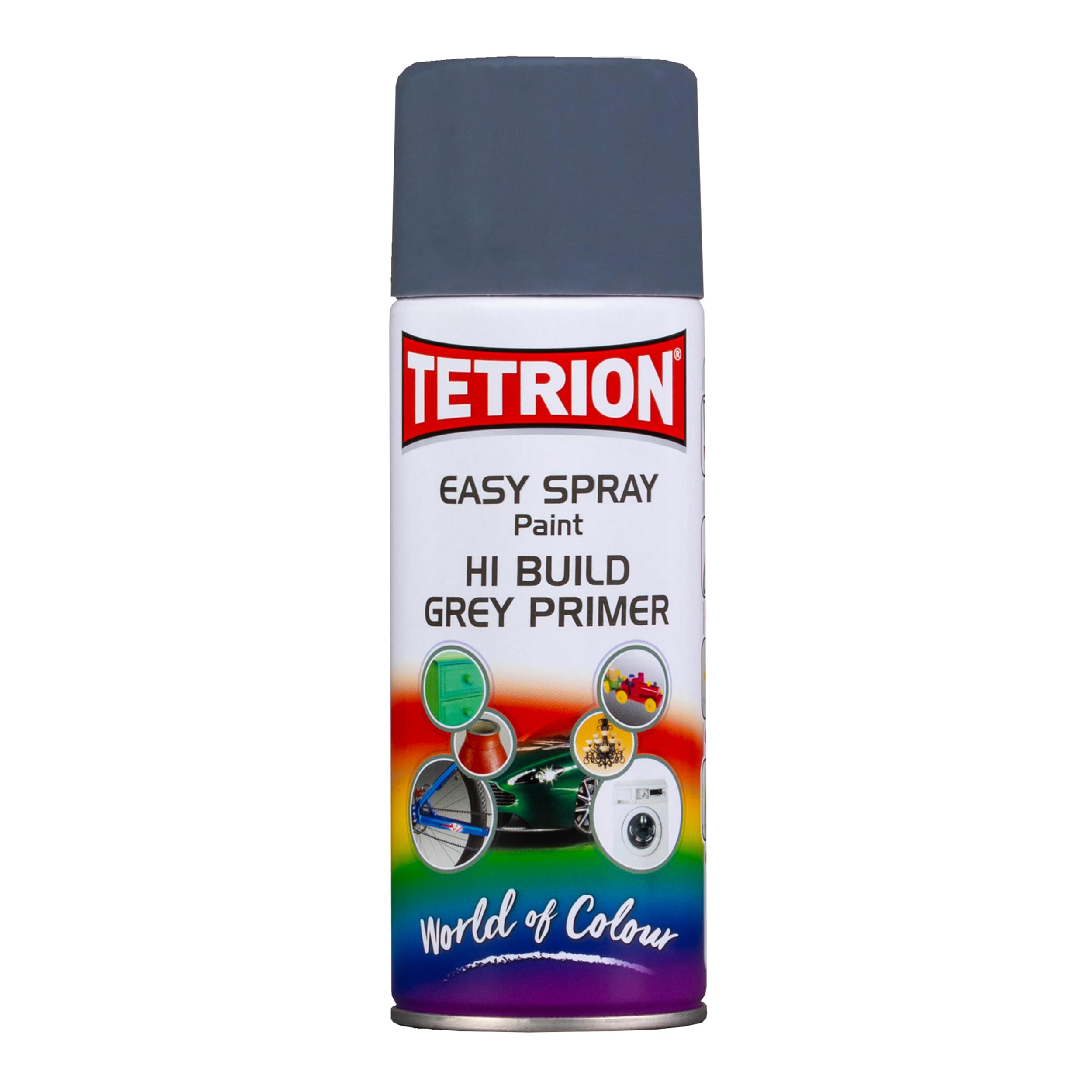
Tetrion Hi-Build Primer

92 /100
Craft Score Outstanding

Key details

Adhesion
Coverage
Drying Time
30 min
Stain Blocking
View on Amazon

This primer delivers a smooth, even coat with a 30-minute dry time at a budget price — ideal for small DIY wood projects. However, nozzle consistency varies between cans, with some leaking or splattering, and performance data is less documented than comparable Rust-Oleum options. It works well for quick jobs where minor nozzle issues are acceptable.

Pros

  • Smooth, even application for a consistent primer coat.
  • Fast 30-minute dry time allows quick recoats.

Cons

  • Nozzle may leak or splatter on certain cans.
Our verdict

A cost-effective choice for small wood projects where a minor nozzle issue is acceptable and guaranteed consistency isn't critical.

Check Latest Price
8

Small Crafts

FolkArt Clear Primer

90 /100
Craft Score Outstanding

Key details

Adhesion
Poor on non-porous
Coverage
20 sq ft per 8 oz
Drying Time
1 hr
Stain Blocking
Basic
View on Amazon

FolkArt Clear Primer is a budget-friendly option for light-duty wood crafts and decorative painting. Its water-based acrylic formula provides a good base for acrylic paints on porous surfaces like wood and ceramics. However, the finish is not durable enough for furniture or high-touch items, and adhesion on smooth plastic can be weak — best reserved for small, non-stress projects.

Pros

  • Forms a smooth base for acrylic paints on wood and ceramic surfaces.
  • Non-toxic, low-odor formula ideal for indoor crafting on small wood pieces.

Cons

  • Not durable under stress
Our verdict

Pick FolkArt Clear Primer for small, light-duty wood crafts where cost matters and heavy wear is not a concern.

Check Latest Price

How to Choose

Application Method: Spray vs. Brush/Roll

Spray primers are fast and leave a thin, even coat ideal for intricate details or small items. The trade-off is nozzle reliability — many cans clog or sputter, especially with oil-based formulas. A brush gives you full control and works better for large, flat surfaces like tabletops or cabinet doors, but requires cleanup and leaves brush marks if not thinned properly.

For furniture and trim, a brush-on primer like Zinsser Bulls Eye offers better coverage per dollar and lets you push primer into grain and corners. Sprays are best for quick touch-ups, 3D prints, or small crafts where a can's 12 sq ft is enough.

Stain and Tannin Blocking

Water stains, nicotine, pet urine, and wood tannins (from cedar or walnut) require a dedicated stain-blocking primer. Standard water-based primers allow these stains to bleed through even after two topcoats. Shellac-based primers like Zinsser B-I-N physically seal stains with a fast-drying resin that locks them in permanently.

If you're priming raw knotty pine or a ceiling with water damage, skip general-purpose primers and go directly to a shellac or synthetic shellac. The extra cost and thinner consistency are worth it for one-coat stain blocking.

Adhesion to Glossy or Difficult Surfaces

Painting over glossy paint, laminate, tile, or metal requires a bonding primer designed to grip non-porous surfaces. Standard wood primers rely on the wood's pores for adhesion; on shiny substrates they peel like tape. Bonding primers use acrylic or urethane resins that chemically stick to slick surfaces.

Products like INSL-X Stix or Dixie Belle Bonding BOSS excel here, but they demand thorough cleaning and light sanding. Skipping prep is the #1 cause of peeling complaints, not the primer itself.

Drying Time and Recoat Window

Fast-drying primers (30 minutes to 1 hour) let you sand and recoat same-day, which speeds up furniture flips. Slower primers (3 hours or overnight) give a harder, more durable film but delay the project. Spray primers often list optimistic dry times — Rust-Oleum Professional claims 15 minutes but many users report tackiness for 24+ hours.

If you need to finish a piece in one afternoon, choose a water-based brush-on like Zinsser Bulls Eye or a shellac spray. For outdoor projects, longer cure times improve rust resistance, so patience pays off.

Coverage per Volume

Coverage varies dramatically: a quart of brush-on primer covers about 100 sq ft, while a spray can covers only 12 sq ft. For a single chair or small shelf, a spray can is fine. For a dresser or entire room, brush-on is more economical and reduces the number of coats needed.

Always buy more than you think you need — thin application to avoid drips often requires a second coat, especially on porous or stained wood.

Frequently Asked Questions