9 Best Wood Splitting Axe of 2026: Match Tool to Your Logs

Lightweight vs heavy maul? Which splitting axe matches your firewood size and your strength? This guide picks the right tool for every user.

Splitting firewood seems simple until you swing a tool that's too light to bite into knotty rounds or too heavy to lift after the first dozen logs. Many users end up with a head that sticks in hardwood or a handle that fatigues their arms before the pile is done.

The real decision comes down to one trade-off: a lightweight splitter lets you swing faster with less strain, but it may bounce off dense grain. A heavy maul crushes tough logs on contact, but every swing costs more energy.

This guide breaks down the key specs and use-case scenarios so you can pick the tool that matches your wood type, your height, and how long you plan to swing.

1

Best Overall

Fiskars X27

96 /100
Craft Score Outstanding

Key details

Head Weight
4.3 lbs
Handle Length
36 in
Blade Material
Alloy Steel
View on Amazon

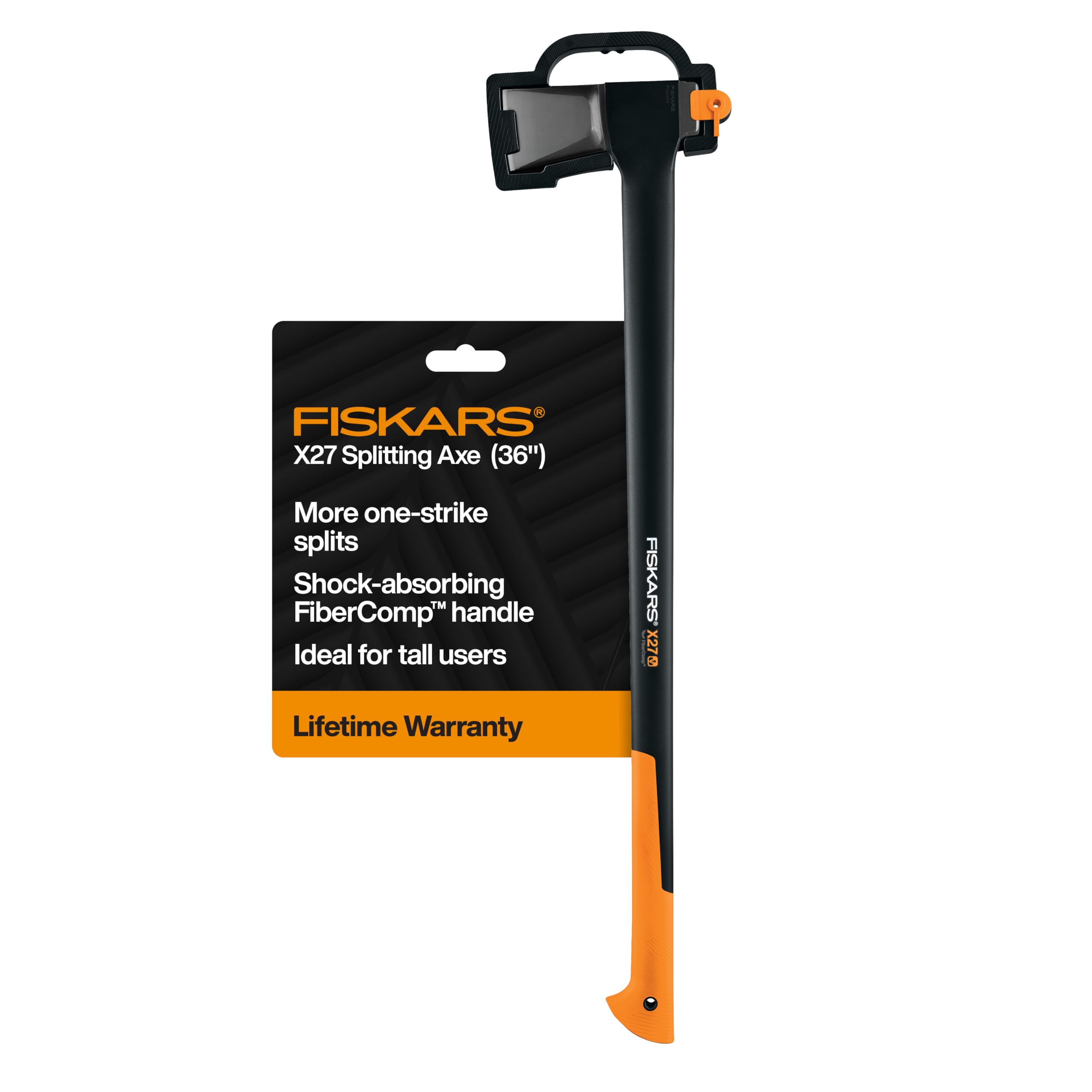
The X27's wedge geometry and 36-inch handle combine to deliver one-strike splits on most seasoned hardwoods, with a total weight of just 6.3 lbs that keeps arms fresh through a half-cord session. The alloy steel blade holds its edge well enough that touch-ups are infrequent, even with regular use. That speed and low fatigue make it the fastest splitter for straight-grained logs up to medium diameter.

This axe suits homeowners who split a few cords per season and want to avoid the heavy swing of an 8-lb maul. The composite handle absorbs vibration better than wood, though it won't appeal to traditionalists. On extra-large or knotty rounds, the X27 may stick or require multiple strikes — a heavier maul or a splitting wedge handles those cases better. The head has been known to separate from the handle in rare instances, so periodic inspection of the connection point is worth building into your routine.

💡 Pair with a splitting wedge for extra-tough rounds to avoid stuck heads and multiple strikes.

Pros

  • Splits most logs in one swing, reducing per-log effort
  • Lightweight design reduces fatigue during extended splitting sessions
  • Edge retention holds up through heavy use, sharpening is seldom needed

Cons

  • Makes little progress on large, knotty rounds that require heavy impact force
  • Head may separate from the handle; regular inspection of the connection is advised
Our verdict

Best for homeowners who prioritize speed and low fatigue over brute-force splitting, and are comfortable with a composite-handled axe that occasionally needs a wedge for the toughest wood.

Check Latest Price
2

Best Heavy-Duty Maul

Fiskars IsoCore 8lb

96 /100
Craft Score Outstanding

Key details

Head Weight
6.4 lbs (8 lb total)
Handle Length
36 in
Blade Material
Forged Steel
View on Amazon

The Fiskars IsoCore 8lb maul brings an 8-pound head to the toughest logs, with IsoCore handle damping that reduces vibration impact compared to traditional steel-handle mauls. That weight means each swing carries more force into knotty rounds, but it also means a total tool weight over 10 pounds — fatigue will set in faster than with lighter splitters like the top pick. This maul suits users who regularly face large, gnarly hardwoods and want a single-strike solution; occasional or smaller users will find it tiring. Some reports mention handle breakage near the head, so inspecting the handle periodically is worthwhile.

💡 To reduce fatigue, take breaks and use a splitting block at waist height.

Pros

  • Cuts through large knotty rounds with fewer swings than lighter mauls.
  • IsoCore handle reduces vibration and strain on hands and arms.
  • Cost-effective for an 8lb maul that handles demanding wood types.

Cons

  • Over 10-pound total weight can tire smaller users during long sessions.
  • Handle can separate near the head under extreme stress
Our verdict

For those who regularly split large, knotty hardwood, the Fiskars IsoCore maul delivers the impact needed; just be aware of its weight and potential handle issue.

Check Latest Price
3

Budget Heavy-Duty Pick

Estwing 8lb Maul

92 /100
Craft Score Outstanding

Key details

Head Weight
8 lbs
Handle Length
36 in
Blade Material
Alloy Steel (50-55 HRC)
View on Amazon

The Estwing 8lb Maul brings a forged head that stays sharp through moderate use, delivering effective splits on hardwoods. Its construction feels solid, with tight tolerances that prevent loosening over time. While the heavier total weight (10.5 lbs) lacks the vibration damping of the IsoCore maul, it compensates with a lower price. This maul suits users who split moderate volumes of hardwood and don't need all-day swingability — the weight can cause fatigue in extended sessions.

💡 For longer splitting sessions, consider alternating with a lighter tool to reduce fatigue.

Pros

  • Build quality with tight tolerances for long-term durability
  • Delivers one-swing splits on dense hardwoods
  • Edge retains sharpness through moderate use, reducing maintenance

Cons

  • The 10.5-pound total weight may cause fatigue during longer splitting sessions
Our verdict

Estwing offers a durable, budget-priced maul for hardwood splitting, but the weight limits its suitability for all-day use.

Check Latest Price
4

Best Compact Splitting Axe

Husqvarna S2800

92 /100
Craft Score Outstanding

Key details

Head Weight
5 lbs
Handle Length
28 in
Blade Material
Stainless Steel
View on Amazon

The Husqvarna S2800 uses a 28-inch handle paired with a 5-pound stainless steel head to deliver efficient splitting for moderate logs. Its build quality stands up to repeated use, and the non-stick coating reduces friction on each swing. At 6.2 pounds total, it feels lightweight yet balanced, reducing fatigue during extended sessions. This compact axe suits shorter individuals or those who need a portable splitter for travel or storage. Taller users may find the handle limits swing leverage, making it less ideal for maximum power on large, knotty rounds.

Pros

  • Stainless steel head resists rust and sheds wood easily with non-stick coating.
  • Splits medium logs accurately with balanced swing.
  • Lightweight at 6.2 lbs reduces fatigue during longer sessions.

Cons

  • 28-inch handle reduces swing leverage for users over 6 feet tall.
Our verdict

Right for shorter users or those who prioritize portability; taller buyers should seek a longer handle.

Check Latest Price
5

Best Premium Splitting Maul

Gransfors Bruk 31.5"

89 /100
Craft Score Excellent

Key details

Head Weight
Handle Length
31.5 in
Blade Material
Alloy Steel
View on Amazon

The Gränsfors Bruk Splitting Maul delivers hand-forged Swedish craftsmanship with a razor-sharp edge that splits hardwoods with minimal effort. This is a tool built for collectors and serious woodworkers who want a piece that holds value over decades, not for budget-conscious buyers or occasional splitters. The premium price — 4-5 times that of comparable mauls — reflects the skill and materials, making it a lifetime investment.

Pros

  • Hand-forged alloy steel head with a factory edge that stays sharp through heavy use.
  • Designed with balance and beauty
  • Splits knotty logs smoothly thanks to the wedge geometry and weight distribution.

Cons

  • Premium pricing limits its value to those who split wood daily or value artistry over function.
Our verdict

For the woodworker who sees an axe as a tool and an heirloom, this maul justifies its cost. For everyone else, the Fiskars X27 offers comparable splitting performance at a fraction of the price.

Check Latest Price
6

Budget Versatile Option

Hooyman 36" Maul

88 /100
Craft Score Excellent

Key details

Head Weight
Handle Length
36 in
Blade Material
Forged Steel 1045
View on Amazon

The Hooyman 36-inch maul pairs an affordable 8-pound head with an H-Grip handle that stays secure when wet, delivering solid splitting force for the price. It's built from forged steel with a sturdy feel, but the blade may arrive with a dull edge that requires sharpening before it cuts cleanly. For occasional splitting of medium logs, this is a budget-friendly option, though larger rounds can cause the wedge to stick and need extra effort to remove.

💡 Plan to sharpen the blade before first use to improve splitting performance.

Pros

  • Delivers 8 pounds of splitting force at a budget-friendly price.
  • Handle and head feel solid during use, contributing to a confident swing.

Cons

  • Edge may need sharpening before splitting cleanly
  • When splitting large rounds, the wedge can get stuck and require extra effort to free.
Our verdict

A cost-effective maul for occasional use if you're willing to sharpen the blade and accept some sticking on larger logs.

Check Latest Price
7

Light Camping Use

LEXIVON V28s 28"

93 /100
Craft Score Outstanding

Key details

Head Weight
Handle Length
28 in
Blade Material
High Carbon Steel
View on Amazon

Weighing just 5 lbs, the LEXIVON V28s is the lightest full-size splitting axe available, making it effortless to swing for light tasks like campfire kindling or small logs. The blade arrives sharp and ready to use. However, reported cases of handle separation mean this axe is best reserved for occasional light splitting rather than heavy-duty firewood processing.

Pros

  • Lightweight design reduces fatigue during extended light splitting sessions.
  • Ready-to-use sharp blade saves time on initial setup.

Cons

  • Head detachment has been noted during use, posing a safety concern.
Our verdict

Best suited for occasional light splitting where portability matters more than durability — a practical backup or camping tool, not a primary firewood splitter.

Check Latest Price
8

Light Occasional Use

INTERTOOL 36" Maul

89 /100
Craft Score Excellent

Key details

Head Weight
5 lbs
Handle Length
35.5 in
Blade Material
Carbon Steel
View on Amazon

The INTERTOOL 36-Inch Maul delivers a lightweight feel and budget-friendly price for those splitting a few logs occasionally. However, handle separation and head detachment can occur during use, making it a tool for light tasks only — not for regular or heavy splitting.

Pros

  • Lightweight balance reduces fatigue during short splitting sessions.
  • Budget-friendly price for occasional use.

Cons

  • Handle may separate from the head during use, limiting this maul to light, infrequent splitting.
Our verdict

If you need a cheap maul for splitting a few small logs a couple times a year, this is a valid option. For any heavier use, consider a more durable alternative.

Check Latest Price
9

Light Splitting Appearance

THKFWD 27.8"

89 /100
Craft Score Excellent

Key details

Head Weight
Handle Length
27.8 in
Blade Material
1065 Carbon Steel
View on Amazon

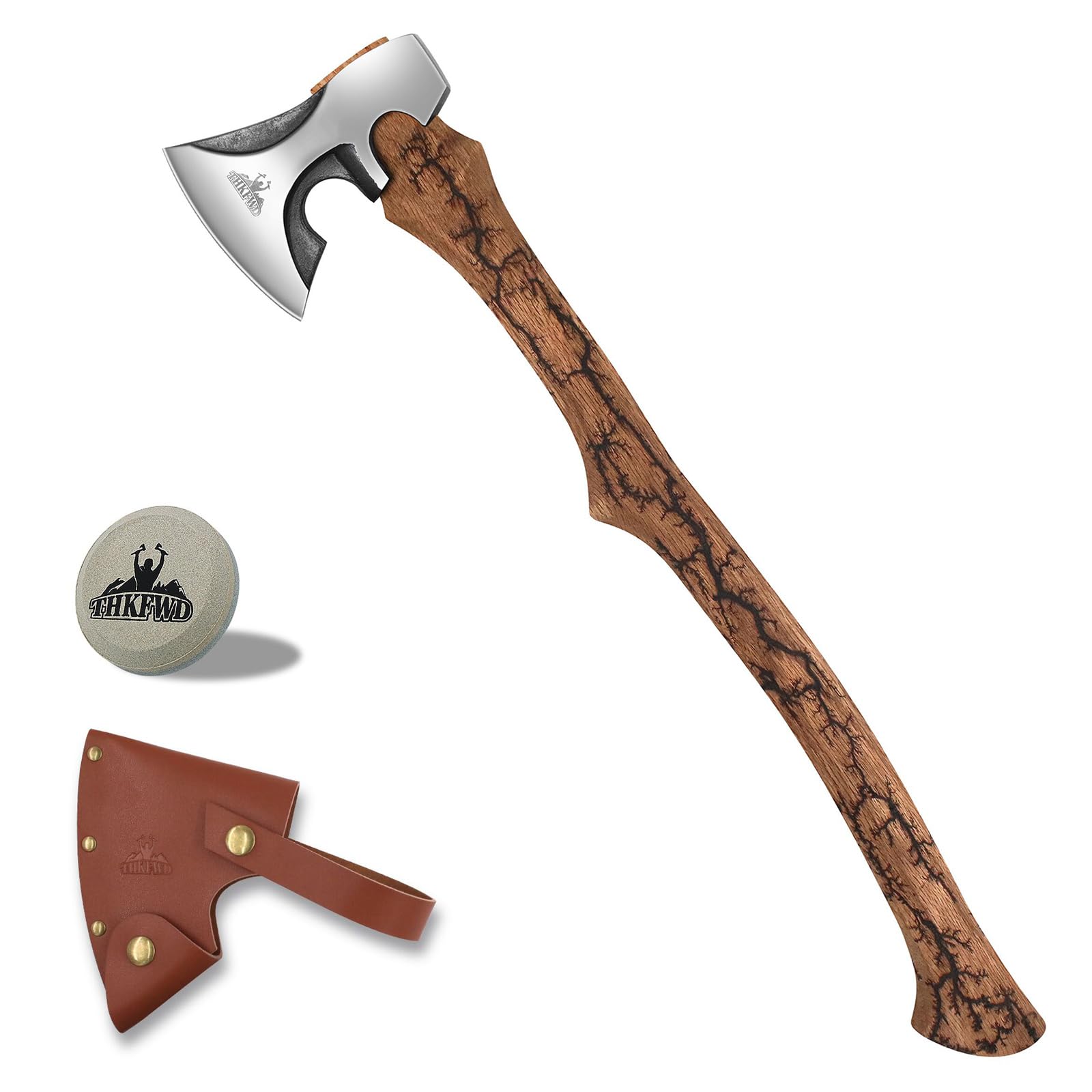
This THKFWD axe stands out visually with its Lichtenberg patterned handle and includes a leather sheath and sharpening stone. It splits kindling and small logs effectively. However, the 27.8-inch handle is below the recommended length for full-size splitting, and the handle may crack under heavy impact. A visual choice for light tasks, not a primary firewood tool.

Pros

  • Distinctive Lichtenberg pattern wood handle with leather sheath
  • Effective on kindling and small logs

Cons

  • Handle may crack or break under heavy splitting loads
Our verdict

A good option for users who prioritize appearance over heavy splitting performance — light use only.

Check Latest Price

How to Choose

Head Weight

Head weight determines how much force each swing delivers and how quickly you fatigue. A 4-pound head swings fast and is ideal for straight-grained logs, but it may bounce off knotty hardwood or require multiple strikes. An 8-pound head crushes tough rounds in one hit, but every swing demands more energy, making it unsuitable for all-day sessions.

For a homeowner splitting a few cords of mixed wood over a weekend, a head between 4 and 6 pounds offers the best balance. If you regularly split large, twisted oak or elm, an 8-pound maul saves time at the cost of endurance.

Handle Length

Handle length directly affects swing arc and leverage. A 36-inch handle generates more speed and power from a full swing, ideal for tall users (over 5'10'). Shorter handles (28-32 inches) provide better control and are easier to swing in confined spaces or for users of shorter stature.

The trade-off: a longer handle can hit the ground on downswings if your form is off, while a short handle forces you to swing harder to generate the same impact. Match length to your height and typical splitting setup.

Blade Material and Edge Geometry

Blade material determines edge retention and ease of sharpening. High-carbon steel (e.g., 1065, 1045) holds a sharp edge well but can chip if struck on rocks or frozen wood. Forged alloy steel offers a good balance of toughness and hardness. Stainless steel resists rust but may require more frequent sharpening.

Edge geometry also matters: a convex edge (axe) splits by wedging wood apart, while a flat ground edge (some mauls) relies more on brute force. A sharper factory edge is not always better — a splitting axe should have a slightly blunt edge to prevent sticking in the log.

Construction Quality

The head-to-handle attachment is the most safety-critical aspect of any splitting tool. A poorly secured head can detach mid-swing, causing injury. The strongest designs use a through-wedge or epoxy-bonded system (common in composite handles) or a traditional eye-and-wedge with a hardwood handle.

Budget axes often cut corners here — fiberglass handles may crack at the ferrule, and wood handles can dry and shrink, loosening the head. Look for models with a proven track record of head retention, regardless of material.

Frequently Asked Questions