7 Best Deck Paint of 2026: Avoid Sticky Failures and Color Surprises

A guide to choosing the best deck paint or stain for your wood deck, with tips to avoid peeling, sticky residue, and color mismatches.

Water-based stains that never dry. Solid paints that peel after one season. Colors that turn out brick red instead of chestnut brown. These are the real frustrations when finishing a wood deck – not just a matter of brand preference.

The line between ‘stain’ and ‘paint’ is blurrier than most labels admit. Semi-transparent stains show grain but require less prep. Solid paints hide wood but demand near-perfect surface conditions. The wrong choice means redoing the whole deck within a year.

This guide focuses on the decision that matters: matching the finish to your deck’s actual use. Oil-based penetration versus water-based convenience. Coverage per gallon versus long-term durability. The right pick saves time and money long after the brush dries.

1

Best Overall

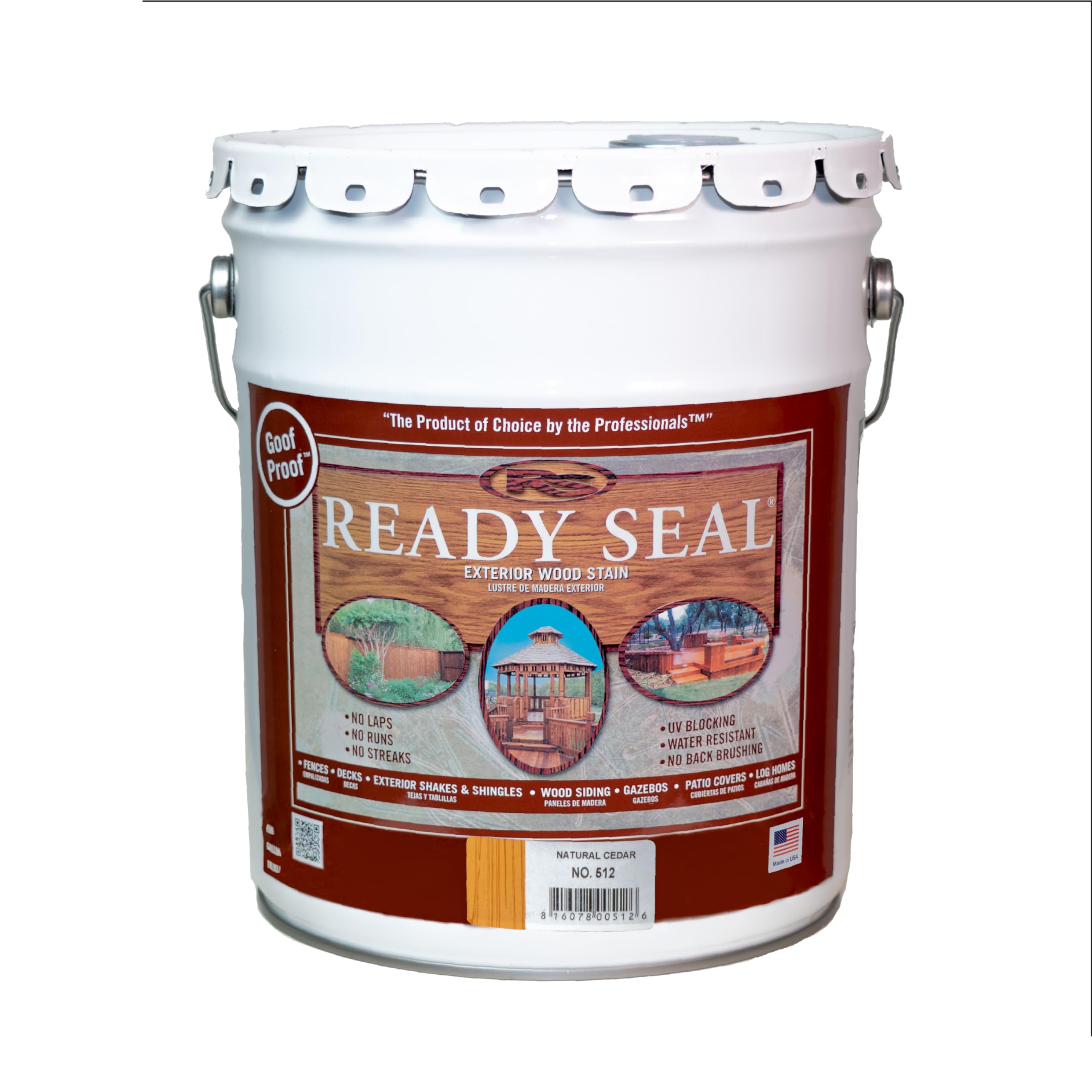
Ready Seal Exterior Stain 5 Gal

92 /100
Craft Score Outstanding

Key details

Opacity
Semi-transparent
Coverage
125 sq ft/gal
Base Type
Oil-based
View on Amazon

This oil-based stain goes on smoothly in direct sun without streaks or lap marks, a forgiving application that saves time and frustration. The oil formula penetrates deeply, resisting cracking and peeling for years, and maintenance coats go on without sanding or stripping — just a clean surface.

Best for homeowners with a large deck (500+ square feet) who want a natural, long-lasting finish. The 5-gallon pail is the only size available, so small projects are better served elsewhere. Prep calls for mineral spirits and the odor is stronger than water-based options, but the durability payoff justifies the extra effort. Note that the color appears much darker on application and lightens as it dries to a warm cedar tone.

💡 The stain goes on darker than expected — let it dry fully to see the final cedar tone before judging.

Pros

  • Forgiving application with no streaks or lap marks, even in direct sun
  • Oil-based penetration resists cracking and peeling for years of use
  • Reapplication requires no sanding or stripping, just a clean surface

Cons

  • Color darkens significantly on application then lightens, which can surprise first-time users
  • Only sold in a 5-gallon pail, wasteful for decks under 500 sq ft
Our verdict

For large decks where forgiving application and long-lasting oil-based durability are priorities, Ready Seal stains and seals in one step without the need for perfect technique.
Check Latest Price
2

Best Solid Paint

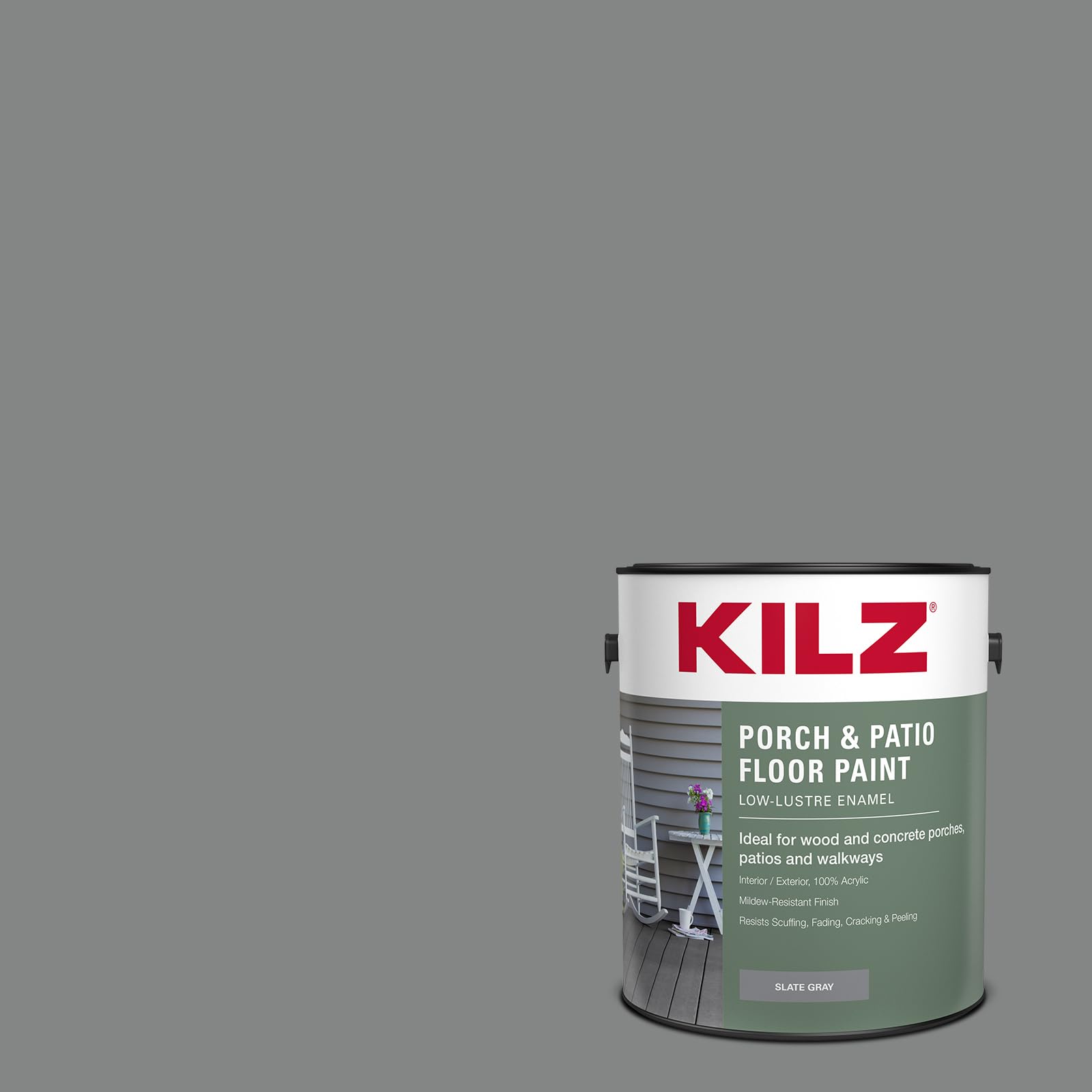
KILZ Porch & Patio Paint

92 /100
Craft Score Outstanding

Key details

Opacity
Solid
Coverage
300-400 sq ft
Base Type
Water-based
View on Amazon

KILZ Porch & Patio covers old painted deck surfaces with a smooth, low-lustre finish in one coat. It dries fast and cleans up with soap and water. This paint suits screened porches and covered patios where rain exposure is minimal. On fully exposed wood decks with heavy foot traffic, peeling can occur if the surface is not prepared perfectly or if standing water sits. For buyers focused on durability in an open outdoor environment, a penetrating stain is more appropriate.

💡 Prime bare wood first and ensure the surface is clean and dry to minimize peeling risk.

Pros

  • Covers old painted decks in one coat with an even satin sheen
  • Dries quickly and tools rinse clean with soap and water
  • Smooth, modern finish that revitalizes tired porch surfaces

Cons

  • Not recommended for driveways or surfaces exposed to car tires
  • Peeling may occur on wood decks with heavy foot traffic or incomplete surface preparation
Our verdict

A solid option for covered porch refresh, but for open wood decks a penetrating stain is more durable.

Check Latest Price
3

Best Water-Based Stain

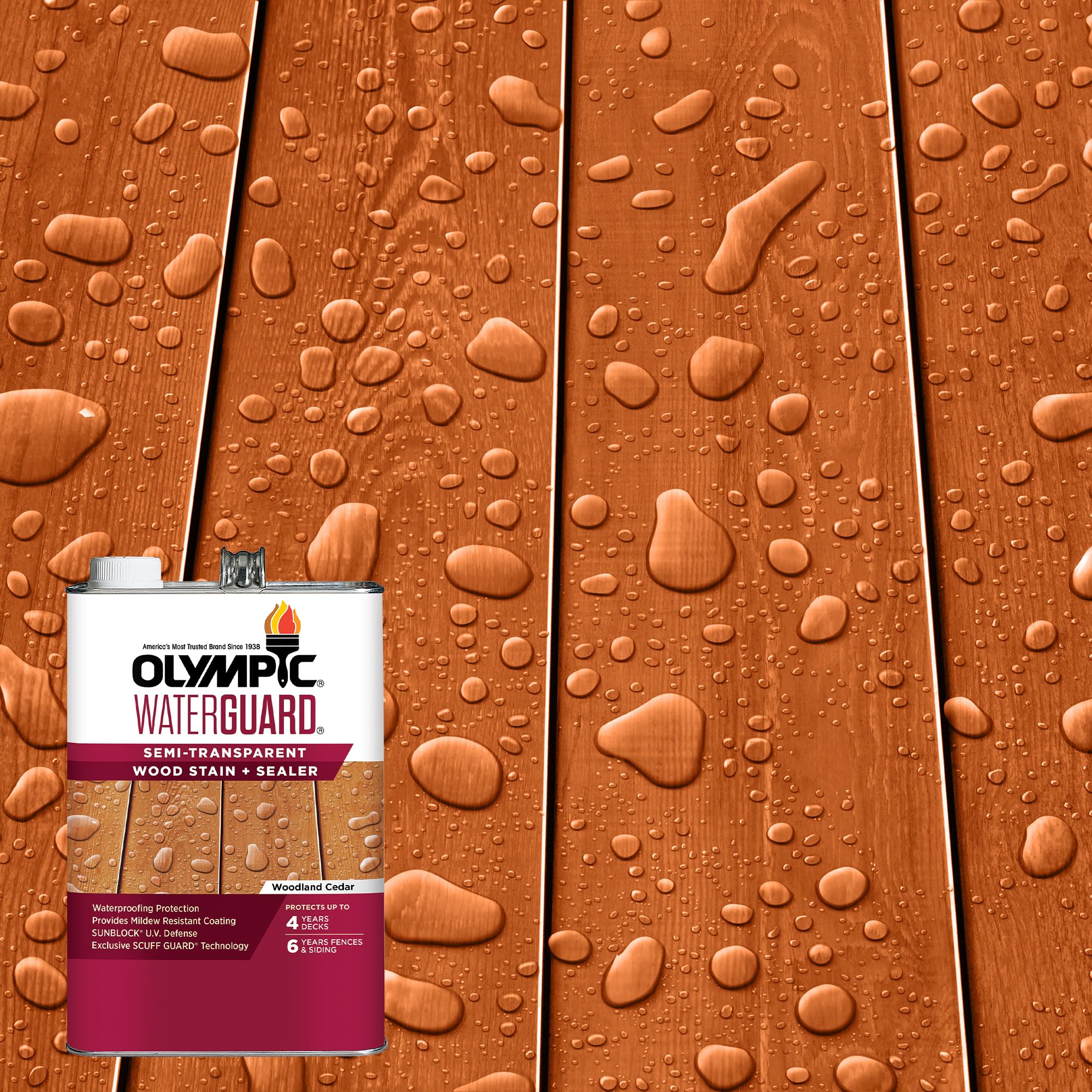
Olympic WaterGuard Stain

88 /100
Craft Score Excellent

Key details

Opacity
Semi-transparent
Coverage
250-400 sq ft
Base Type
Water-based
View on Amazon

The Olympic WaterGuard stain applies smoothly and dries fast, forming a water-beading surface that sheds rain effectively. Its semi-transparent cedar color looks natural on weathered wood. However, unlike oil-based stains that penetrate deep, this water-based formula works best on previously stained or weathered surfaces – new pressure-treated lumber must weather first. Under direct sun or heavy foot traffic, the finish may require annual recoating, a reasonable tradeoff given the low-odor formula and soap-and-water cleanup.

Pros

  • Easy to apply
  • Effective water repellency
  • Natural cedar color that matches expectations

Cons

  • Requires a weathered or previously stained surface
  • On horizontal surfaces with direct sun exposure, the finish may need refreshing each year.
Our verdict

A dependable choice for routine deck maintenance if you are comfortable with periodic recoating – especially on sheltered or semi-shaded decks.

Check Latest Price
4

Best for Rich Color

SaverSystems #1 Deck Stain

89 /100
Craft Score Excellent

Key details

Opacity
Semi-transparent
Coverage
100 sq ft/gal
Base Type
Water-based
View on Amazon

The SaverSystems Deck Stain produces a deep, walnut-toned color that highlights wood grain and gives decks a refreshed appearance. Application is smooth with brush, roller, or sprayer, and the water-based formula means easy cleanup and low odor. However, the thin consistency can run and may require multiple coats to even out coverage. Durability can also vary, with fading possible on sun-exposed decks within a season. This makes it a better fit for smaller decks, fences, or decorative projects where periodic reapplication is acceptable, rather than high-traffic areas where maximum longevity is essential.

💡 Applying thin, even coats and allowing full drying time between coats helps minimize drips and achieve consistent coverage.

Pros

  • Rich walnut color that enhances natural wood grain
  • Easy application with brush, roller, or sprayer without streaking
  • Water-based formula allows quick cleanup and low odor during application

Cons

  • Thin formula can run and may require multiple coats for even coverage
  • Durability can vary, with fading possible on sun-exposed decks after one season
Our verdict

For a beautiful aesthetic finish with manageable maintenance, this stain delivers on color but not on longevity — plan for more frequent recoating than oil-based alternatives.

Check Latest Price
5

Best Warranty Value

KILZ Waterproofing Stain

88 /100
Craft Score Excellent

Key details

Opacity
Semi-transparent
Coverage
250-500 sq ft
Base Type
Water-based
View on Amazon

KILZ’s water-based semi-transparent stain offers easy application with brush or roller and simple water cleanup, plus a 3-year deck warranty that adds peace of mind for small projects. The cedar naturaltone color covers existing stains and water marks effectively, while the finish repels moisture, beading on the surface. Wood in direct sun may show fading within a season, so this stain is best suited for smaller decks or fences in shaded conditions, or for those willing to recoat every few years as part of regular maintenance.

💡 The thin formula may need two coats for even color coverage – plan extra material and time.

Pros

  • Easy water-based application with brush or roller; cleanup with soap and water is quick.
  • Forms a water-repellent surface that beads moisture on treated wood.

Cons

  • Color may fade on sun-exposed wood within a single season.
Our verdict

This stain suits smaller decks or fences where easy application and a warranty matter, but sun-exposed surfaces may require more frequent recoating than oil-based alternatives.

Check Latest Price
6

Budget Decks

Thompson's WaterSeal Semi

88 /100
Craft Score Excellent

Key details

Opacity
Semi-transparent
Coverage
150-400 sq ft
Base Type
Water-based
View on Amazon

Thompson's WaterSeal hits a low price point and beads water effectively, making it an entry-level choice for a quick refresh. However, the finish runs noticeably redder than the chestnut brown on the label, and on sun-exposed decks the coating can peel within a year. This suits budget-minded shoppers who don't mind annual recoating and a reddish tint.

Pros

  • Water beads up effectively on the deck surface, providing good repellency during rain.
  • Applies smoothly and dries fast, making it easy for a DIY project without special equipment.

Cons

  • Color is noticeably redder than the chestnut brown label suggests, appearing brick red on the wood.
Our verdict

This stain works best for budget-conscious deck owners who value low cost over accurate color and are willing to recoat annually.

Check Latest Price
7

Concrete Patios

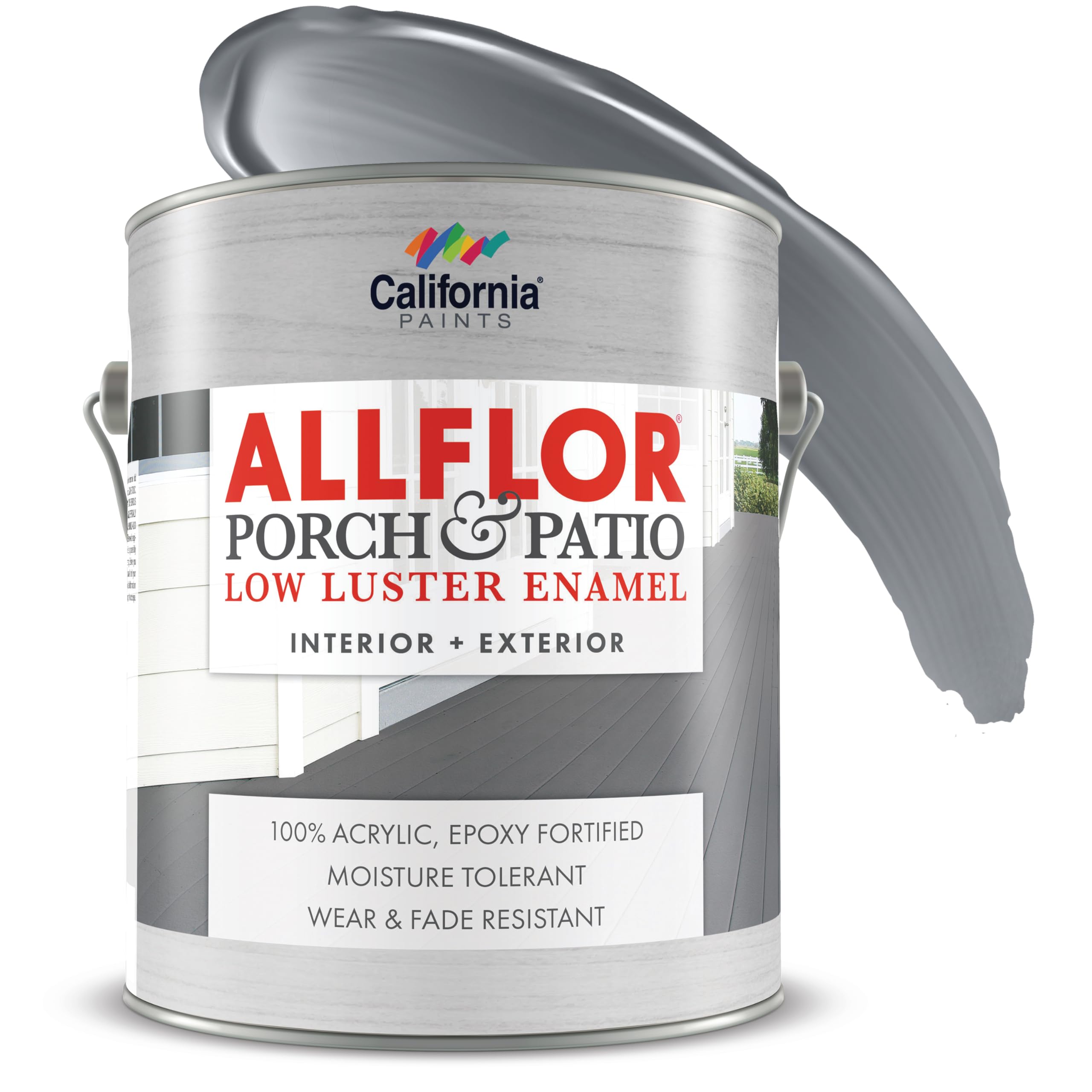
California Paints ALLFLOR

91 /100
Craft Score Outstanding

Key details

Opacity
Solid
Coverage
200-400 sq ft
Base Type
Water-based
View on Amazon

This enamel delivers a smooth, attractive satin finish with strong hiding power on concrete surfaces like patios and basement floors. Coverage is even over dark concrete, and the paint dries quickly for fast projects. However, adhesion on wood can be problematic, especially on exposed decks where moisture or imperfect prep may cause peeling later. It's best reserved for masonry and covered porch floors.

Pros

  • Superior coverage hides dark concrete surfaces in one coat
  • Dries quickly and cleans up with soap and water

Cons

  • On concrete surfaces that aren't thoroughly cleaned and etched, peeling may appear within months
Our verdict

For concrete patios and basement floors where a clean satin finish is the goal, this paint works well. Leave it off wood decks.

Check Latest Price

How to Choose

Base Type: Oil vs. Water

Oil-based stains soak into wood fibers, creating a flexible bond that resists peeling and cracking. They are ideal for high-traffic decks and harsh sun because the finish wears evenly rather than chipping. The downside: cleanup requires mineral spirits, and the smell lingers for days.

Water-based stains are easier to apply and clean with soap and water. They dry faster and emit fewer fumes, making them suitable for occupied homes. However, the film sits more on the surface, so it can peel if moisture gets underneath. For covered porches or low-traffic areas, water-based is a practical choice.

Opacity: Clear vs. Semi vs. Solid

Clear sealers let the wood show fully but offer the least UV protection. They often fail to dry clear, leaving a tacky or milky finish – a common complaint. Semi-transparent stains add pigment while preserving grain visibility, balancing protection and appearance. They require the least maintenance because wear is uniform.

Solid paints (like porch enamels) hide all wood grain and provide a uniform color. They look great initially but are prone to peeling if the wood isn't perfectly clean, dry, and primed. On bare wood, peeling can start within a year. Use solid paint only on previously painted or well-sealed surfaces.

Coverage per Gallon

Coverage determines project cost and number of coats. Thicker stains (like oil-based) cover 125-200 sq ft per gallon, while thin water-based formulas may only cover 100 sq ft. Spread rates listed on cans are often optimistic – actual coverage depends on wood porosity and application method.

For a typical 500 sq ft deck, a 5-gallon pail of oil-based stain covers the whole job in one coat. A single gallon of a thin water-based stain may require two gallons for even coverage. Calculate total need before buying, especially for products sold only in bulk sizes.

Drying Time and Recoat

Drying time affects scheduling and weather windows. Water-based stains often dry to the touch in 1-2 hours and can be recoated in 4-6 hours. Oil-based stains need 24-48 hours between coats and require temperatures above 50°F for proper curing. Applying too thick or on humid days leads to sticky, uncured finishes.

Plan your project around a 48-hour dry window for oil-based products, even if the label says less. Water-based options are more forgiving for quick turnaround, but skipping dry time between coats can trap moisture and cause peeling later.

Warranty and Expected Lifespan

Manufacturer warranties (e.g., 3 years on decks for KILZ Waterproofing Stain) provide a reference point but reflect ideal conditions. Real-world lifespan depends on sun exposure, foot traffic, and prep quality. Semi-transparent stains typically last 2-4 years before needing a maintenance coat.

Oil-based stains without a stated warranty often outlast water-based ones by 1-2 years in practice. A product’s warranty is a starting metric, not a guarantee. Focus on review longevity data and surface prep rather than the fine print.

Frequently Asked Questions