13 Best Deck Sealer of 2026: Find the One That Actually Stays Dry and Durable

The right deck sealer for your wood type, traffic level, and climate, without tackiness or premature failure.

Most deck sealers promise years of protection, but in practice, annual reapplication is the real standard. Clear sealers are especially tricky: many leave a sticky film that never fully dries, wasting your weekend and your money.

The problem isn't that all sealers are bad, it's that the category is full of exaggerated claims. Some formulas work well on vertical fences but fail on deck floors; others need perfect weather to cure. The key is matching the sealer to your wood, climate, and how much foot traffic your deck sees.

This guide cuts through the marketing noise by focusing on what actually happens after application: drying time, water beading longevity, and real-world durability on horizontal surfaces. You'll leave knowing which sealer fits your specific situation, not a one-size-fits-all promise.

1

Best Overall

DEFY Extreme Crystal Clear

88 /100
Craft Score Excellent

Key details

Base
Water-based
Finish
Matte, transparent
Surface
All exterior wood
Coverage
100–150 sq ft/gal (2 coats)
View on Amazon

DEFY Extreme Crystal Clear holds water beading across multiple seasons while blocking UV damage that turns wood gray. The water-based formula sprays and brushes on smoothly, and cleanup requires only soap and water.

The catch: coverage runs lower than the label suggests – expect to apply two coats for full protection on horizontal deck boards. On light woods like cedar or pressure-treated pine, the finish can add a subtle amber tone that some find undesirable.

This is the right choice for homeowners who want a clear sealer that actually lasts, not a yearly chore. It works best on wood that already has some warmth, and it rewards careful application. Budget buyers or those needing a perfectly colorless finish should look elsewhere.

💡 Apply two thin coats rather than one thick coat to maximize coverage and durability.

Pros

  • Water repellency and UV protection last multiple seasons
  • Easy water-based application and cleanup
  • Restores old wood to a natural hardwood appearance

Cons

  • Coverage is lower than claimed
  • Finish can add a slight amber tint to light wood types
Our verdict

For deck owners who prioritize long-lasting water repellency over sheer convenience, the DEFY Extreme delivers – just factor in an extra coat and accept a warm tint on lighter woods.
Check Latest Price
2

Best for DIYers & Foolproof Application

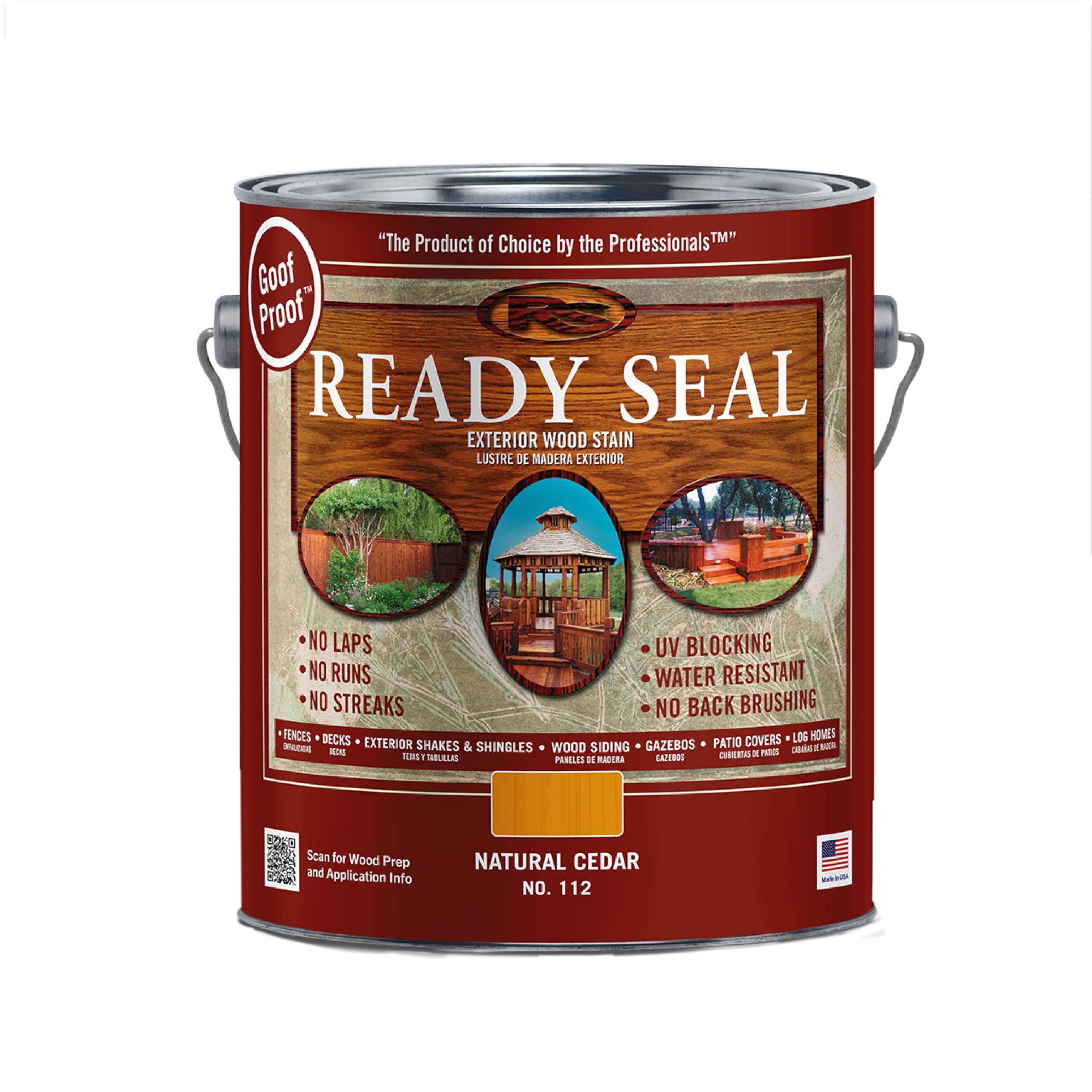
Ready Seal Natural Cedar

90 /100
Craft Score Outstanding

Key details

Base
Oil-based
Finish
Semi-transparent, flat
Surface
Wood, all exterior
Coverage
~200–300 sq ft/gal
View on Amazon

Where clear sealers prioritize longevity, Ready Seal focuses on ease: its oil-based formula self-levels to prevent streaks and uneven color, making it forgiving for beginners. The natural cedar tone enhances wood grain, though the color can run darker than expected — test on a hidden area. Strong fumes mean outdoor or ventilated application is essential. This suits cedar and pine deck owners who want a rich stain with minimal skill required.

💡 Apply in a well-ventilated area; consider a respirator if sensitive to fumes.

Pros

  • Applies evenly without lap marks or streaks, even for first-time users.
  • Rich natural cedar color that enhances wood grain and adds warmth.
  • Good water repellency and UV protection for an oil-based stain.

Cons

  • Strong solvent odor may cause eye irritation during application
  • Final color can be darker and redder than the product photo suggests; test on scrap wood first.
Our verdict

If you want a deck stain that's nearly impossible to mess up and gives cedar a rich tone, this is it — just plan for ventilation and test the color first.

Check Latest Price
3

Best for Composite Decks

DEFY Composite Sealer

87 /100
Craft Score Excellent

Key details

Base
Water-based
Finish
Clear
Surface
Composite, natural wood
Coverage
100–150 sq ft/gal (2 coats)
View on Amazon

The DEFY Extreme Composite Deck Sealer is the only product in this roundup designed specifically for composite decks like Trex. It prevents the black staining that can occur with general-purpose sealers and restores faded composite to its original color. Application is easy with a brush, mop, or sprayer. The catch: water beading may fade after a few months, so reapplication every 1-2 years is typical. This sealer is a top choice for composite deck owners, but those with natural wood should look at the top-pick water-based sealer instead.

💡 Apply in thin, even coats and avoid drying in direct sun to minimize milky residue.

Pros

  • Formulated for composite decks
  • Easy to apply with brush, mop, or sprayer.
  • Restores faded composite to its original color.

Cons

  • White, milky residue can appear if applied unevenly
Our verdict

For composite deck owners, this sealer delivers reliable stain prevention and color restoration. Plan to reapply every 1-2 years to maintain water beading.

Check Latest Price
4

Best for Exotic Hardwoods (Ipe, Cumaru)

DeckWise Ipe Oil

92 /100
Craft Score Outstanding

Key details

Base
Oil-based
Finish
Semi-transparent, brown
Surface
Exotic hardwoods
Coverage
250 sq ft/gal
View on Amazon

DeckWise Ipe Oil penetrates deeper into dense tropical hardwoods than surface film sealers, restoring natural color and grain on Ipe, Tigerwood, and Cumaru. It’s formulated specifically for these species — not a fit for pressure-treated pine or cedar decks, where its premium price and darkening effect offer no advantage.

This oil suits owners of exotic hardwood decks who want a rich, warm finish and are prepared for annual recoating. The strong solvent smell during application requires good ventilation, and the oil may darken the wood more than some expect — a tradeoff for the deep penetration.

💡 Apply in a well-ventilated area and wear a respirator; the solvent odor lingers for several hours.

Pros

  • Penetrates deep into dense tropical hardwoods, preserving natural grain.
  • Restores faded Ipe and Tigerwood to a like-new rich, warm tone.

Cons

  • Oil can darken the wood more than expected, giving a reddish hue.
  • Strong solvent smell during application requires good ventilation.
Our verdict

A specialized oil for Ipe and similar hardwoods that delivers a natural, penetrating finish — best value only if your deck is made of these dense tropical species.

Check Latest Price
5

Best Budget Tinted Stain

SaverSystems #1 Deck

89 /100
Craft Score Excellent

Key details

Base
Water-based
Finish
Semi-transparent, flat
Surface
Wood (damp wood ok)
Coverage
100 sq ft/gal (stated)
View on Amazon

SaverSystems #1 Deck stain delivers consistent, vibrant color that conceals weathering on old decks. The water-based formula applies smoothly with brush, roller, or sprayer and cleans up easily with water. After curing, the finish provides good water repellency, with rain beading on the surface.

This stain is a solid choice for DIYers who want an affordable color refresh. The tradeoff is durability: peeling and fading can appear within one season on sunny, high-traffic decks — treat it as annual maintenance. For shaded decks or low-traffic surfaces, the finish holds up noticeably longer. The semi-transparent look allows the wood grain to show through, giving a natural appearance.

💡 Work in thin, even coats and wipe up drips immediately to avoid pooling.

Pros

  • Rich color payoff that makes old decks look vibrant and even
  • Easy application and cleanup with brush, roller, or sprayer

Cons

  • Peeling and flaking can occur on horizontal boards in climates with heavy sun or rain
  • Watery consistency may drip and run if not applied carefully
Our verdict

A cost-effective choice for giving a weathered deck a fresh look, as long as you are prepared to reapply annually on exposed surfaces.

Check Latest Price
6

All-Around Mid-Range

Olympic WaterGuard

88 /100
Craft Score Excellent

Key details

Base
Water-based
Finish
Semi-transparent, no sheen
Surface
Unfinished wood, pressure-treated
Coverage
250–400 sq ft/gal
View on Amazon

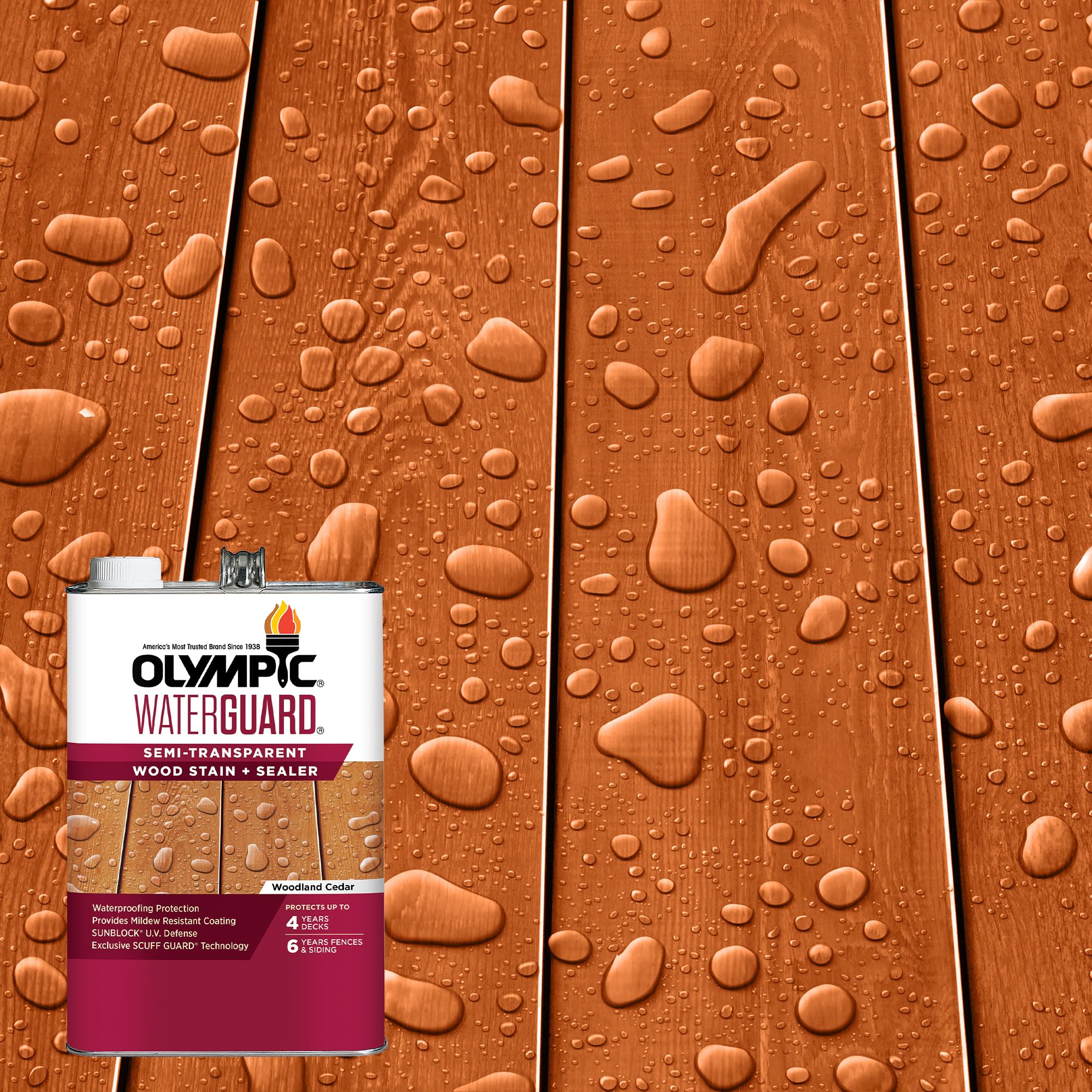
The Olympic WaterGuard provides effective water beading and UV protection with easy water-based cleanup, ideal for mid-range deck projects. Its durability does not match DEFY Extreme's multi-season performance, and the color can vary from the label, so it suits projects where annual reapplication is acceptable.

Pros

  • Effective water beading and UV protection that helps color last through rain and sun.
  • Quick-drying formula that goes on smoothly with brush or roller.

Cons

  • May require multiple coats on porous wood to achieve full waterproofing.
Our verdict

A cost-effective option for typical cedar or pressure-treated decks where you plan to recoat annually — not for those seeking long-lasting or color-consistent results.

Check Latest Price
7

Fast-Drying Tan Tint

Thompson's Desert Tan

89 /100
Craft Score Excellent

Key details

Base
Water-based
Finish
Semi-transparent, semi-gloss
Surface
Wood
Coverage
150–400 sq ft/gal
View on Amazon

Dries faster than most water-based stains and lays down a pleasant Desert Tan color with good initial water repellency. However, durability can be inconsistent — fading may appear within months on sunny decks, and the color can darken on some woods. This makes it better suited as a budget-friendly refresh for projects where longevity is not the top priority.

Pros

  • Dries significantly faster than many water-based stains
  • Forms effective water beading on horizontal surfaces

Cons

  • On sunny decks, the stain may fade within months rather than lasting a full season
Our verdict

Best for deck owners who value quick application and a light tan finish, and are comfortable with annual re-coating.

Check Latest Price
8

Budget Clear Sealer

Thompson's Clear Sealer

91 /100
Craft Score Outstanding

Key details

Base
Solvent-based
Finish
Clear
Surface
Wood, concrete, brick
Coverage
350 sq ft/gal
View on Amazon

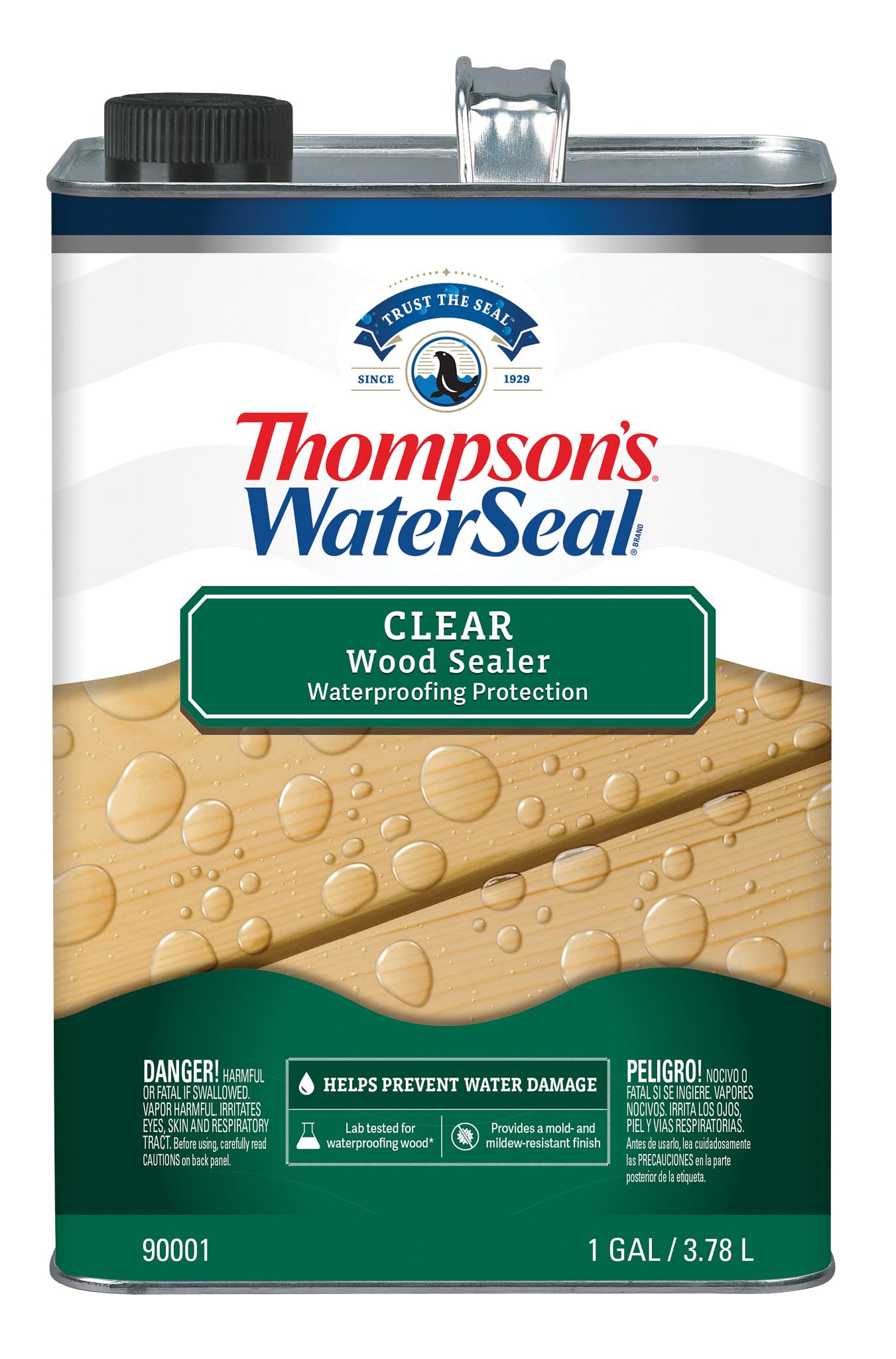
Thompson's Clear Sealer delivers effective water repellency on vertical wood and enhances natural grain with a slight darkening at a budget price. However, on deck floors exposed to direct sun and foot traffic, the protective layer can break down within a season, making this a better fit for fences, railings, and outdoor furniture where annual reapplication is more practical. Compared to longer-lasting options like DEFY Extreme, durability on horizontal surfaces is where this sealer falls short.

Pros

  • Water beads up and runs off readily on vertical wood surfaces
  • Enhances natural wood color with a subtle rich darkening

Cons

  • On horizontal surfaces like deck floors in full sun, the protective film may degrade within weeks
Our verdict

Best for budget-conscious buyers sealing fences or outdoor furniture who are comfortable with annual reapplication.

Check Latest Price
9

High-Moisture Environments

Seal-Once Marine

86 /100
Craft Score Excellent

Key details

Base
Water-based, polyurethane
Finish
Clear, breathable
Surface
Wood (not hardwoods)
Coverage
~200–300 sq ft/gal
View on Amazon

This sealer provides strong water repellency on boat docks and pool decks thanks to its marine formulation and low VOCs. On standard horizontal deck surfaces, water beading can fade within months, making it less durable than dedicated deck sealers like DEFY. Not for use on dense hardwoods such as ipe or teak.

Pros

  • Effective water repellency in high-moisture environments
  • Simple application that dries clear from a milky liquid

Cons

  • Water beading on horizontal surfaces can fade within months, requiring reapplication sooner than expected
Our verdict

Best for damp docks and pool areas where annual reapplication is acceptable; avoid for standard deck projects seeking multi-year durability.

Check Latest Price
10

Bulk for Large Projects

Seal-Once Nano+Poly

86 /100
Craft Score Excellent

Key details

Base
Water-based, polyurethane
Finish
Clear, breathable
Surface
Wood (decks, fences, siding)
Coverage
~150–200 sq ft/gal
View on Amazon

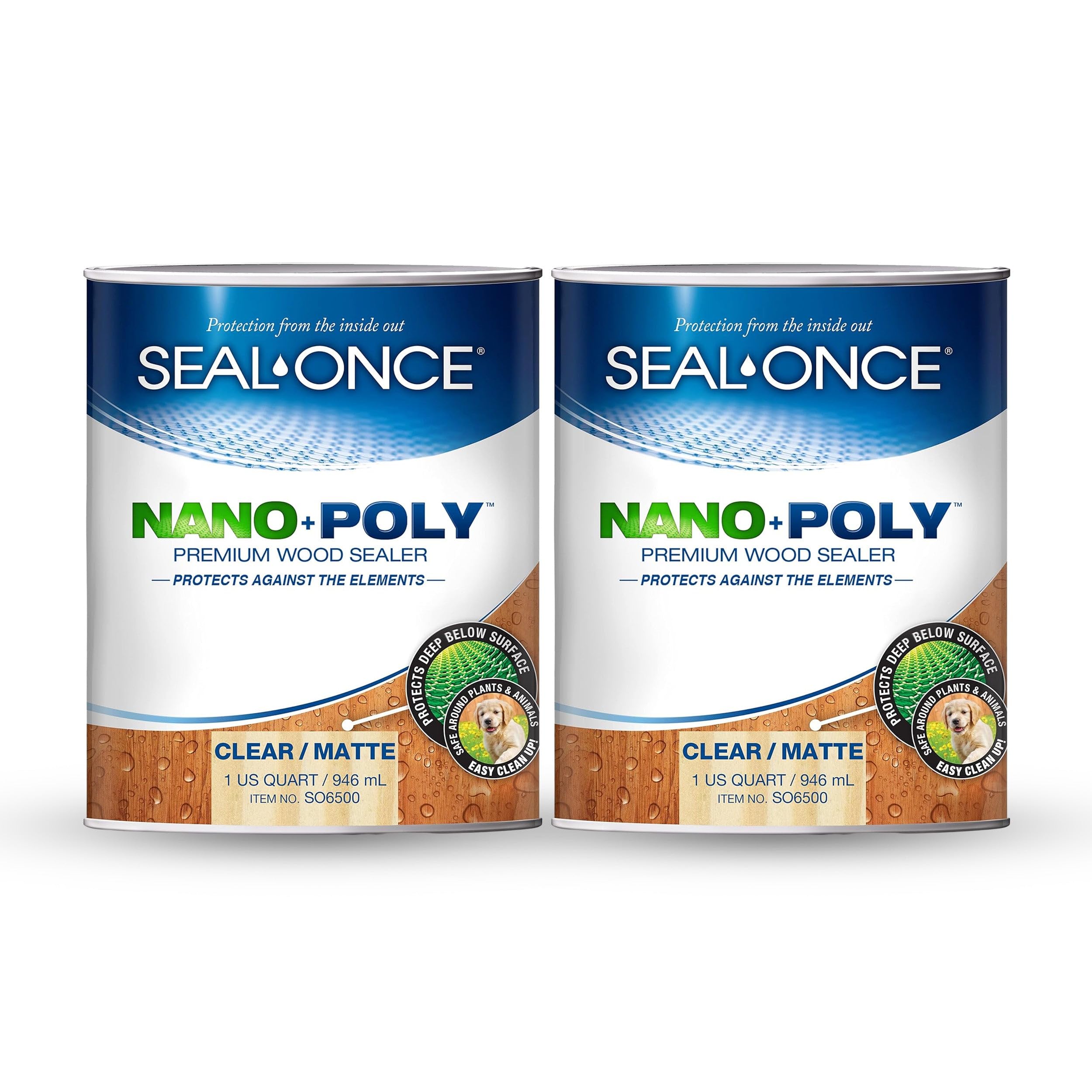
This 2-gallon pack offers deep water repellency and low-VOC protection at a good per-gallon price for large deck projects. The clear finish may leave a milky tint, and drying is slow in humidity. It's best for those who need volume and accept a minimal tint.

Pros

  • Deep penetration and long-lasting water repellency on wood surfaces.
  • Low-VOC, non-toxic formula safe around pets and plants.

Cons

  • Clear finish may appear milky or bluish on some woods rather than truly transparent.
Our verdict

Best for large deck projects where volume and eco-friendly formulation matter more than achieving a perfectly clear, colorless finish.

Check Latest Price
11

Large Fence Coverage

Thompson's VOC Protector

91 /100
Craft Score Outstanding

Key details

Base
Water-based
Finish
Clear
Surface
Indoor & outdoor wood
Coverage
300–400 sq ft/gal
View on Amazon

This large 1.2-gallon clear sealer delivers solid water resistance on vertical surfaces at a budget-friendly price. The thick formula can be difficult to spray and may not dry fully on horizontal wood, making it unsuitable for deck floors. Stick to fences, siding, or indoor sealing projects.

Pros

  • Long-lasting water resistance on fences and railings
  • Good value for the larger 1.2-gallon size

Cons

  • Thick formula may not dry fully on horizontal surfaces, leading to wash-off.
Our verdict

Best for vertical wood projects like fences and siding where drying inconsistencies are less critical; avoid on deck floors and for spray application.

Check Latest Price
12

Ultra-Budget Color Refresh

Storm System Cedartone

88 /100
Craft Score Excellent

Key details

Base
Oil-based
Finish
Semi-transparent, satin
Surface
All exterior wood
Coverage
~100 sq ft/gal (stated)
View on Amazon

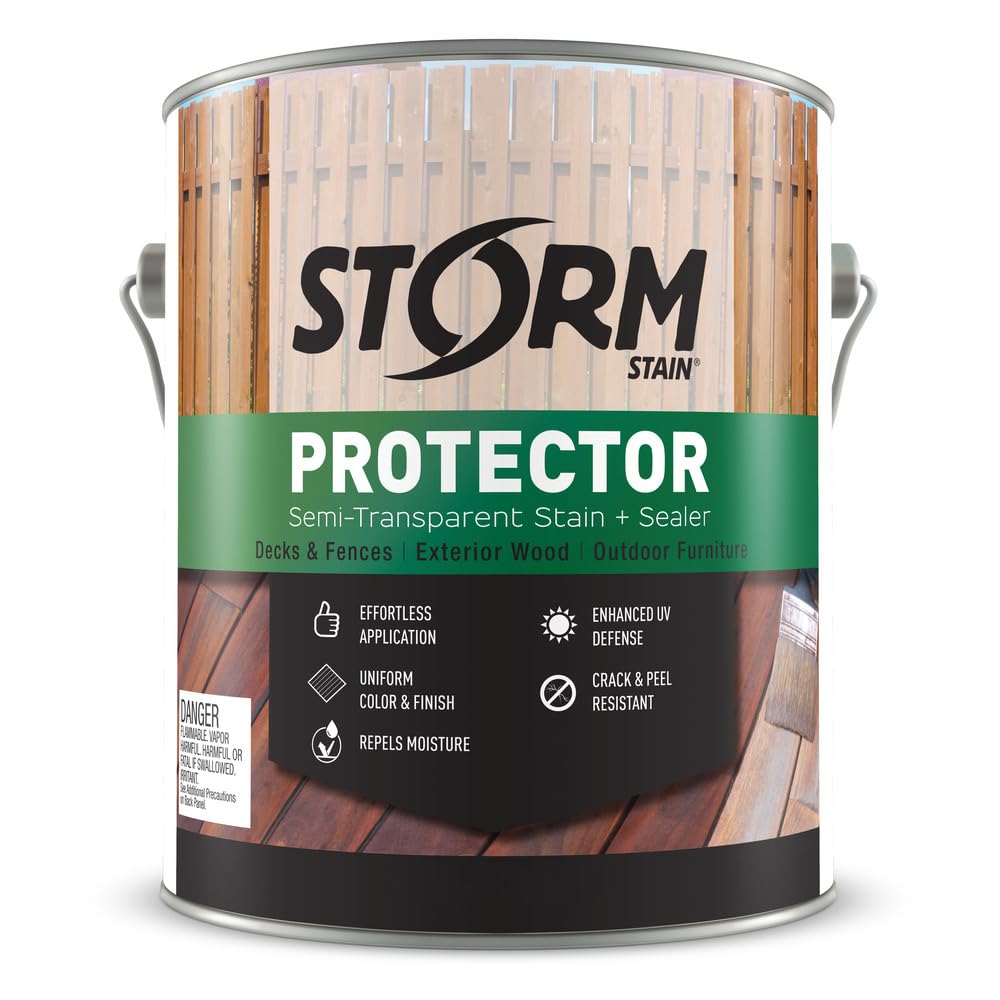
This oil stain delivers a rich color refresh at the lowest price per gallon, and applies evenly with a sprayer or roller. Drying can be inconsistent in cool weather, and color fades quickly on horizontal surfaces, so it is best limited to fences and vertical wood where yearly reapplication is acceptable.

Pros

  • Lowest price among tinted oil stains with good coverage and color
  • Easy to apply with sprayer or roller, goes on evenly

Cons

  • Drying can be inconsistent in cool or humid conditions, leaving a sticky finish
Our verdict

Best for fences and vertical siding on a budget, but expect yearly reapplication.

Check Latest Price
13

Reddish-Brown Tint

Thompson's Chestnut Brown

88 /100
Craft Score Excellent

Key details

Base
Water-based
Finish
Semi-transparent
Surface
Wood
Coverage
150–400 sq ft/gal
View on Amazon

This Thompson's formula provides solid water beading on fences and siding with minimal effort — one coat often does the job. The tradeoff is a brick-red tone that looks warmer than expected from a 'chestnut brown' label, and durability on deck floors is average, making it a better fit for vertical surfaces where color preference and reapplication are less critical.

Pros

  • Water beads effectively on vertical wood, keeping rain from soaking in.
  • Easy one-coat application with quick drying time simplifies the project.

Cons

  • Color is noticeably redder than 'chestnut brown'
Our verdict

Best suited for fence or shed projects where a reddish stain is acceptable and longevity on horizontal surfaces isn't critical.

Check Latest Price

How to Choose

Coverage per Gallon

Coverage numbers on the label are often optimistic, especially for clear sealers. A gallon that claims 400 sq ft may only cover 150 sq ft when applying two proper coats on rough-sawn wood.

Plan for at least two coats on horizontal deck boards. If you have a 200 sq ft deck, buy two gallons even if one-gallon coverage looks sufficient. Running out mid-project means lap marks and uneven protection.

Base Type: Water vs Oil

Water-based sealers clean up with soap and water and have low odor, but they are more prone to drying failures if applied in high humidity or on oily woods. They also tend to form a thin film that can peel on horizontal surfaces within a year.

Oil-based formulas penetrate deeper, last longer on deck floors, and resist peeling, but require mineral spirits for cleanup and produce strong fumes. The trade-off is durability versus convenience. For a horizontal deck in full sun, oil-based is usually the better investment.

Finish Type: Clear vs Tinted

Clear sealers show natural wood grain but often lack UV blockers, leading to graying within a season. Many clear formulas also leave a sticky or milky film that takes weeks to cure.

Semi-transparent and tinted sealers add pigments that absorb UV light, extending the life of the finish. They also hide minor imperfections and darken the wood evenly. The downside: once applied, you cannot easily revert to clear.

Drying Time and Tackiness

Tackiness is the number one complaint with clear water-based sealers, especially when temperatures drop below 60°F or humidity rises above 70%. The solvent evaporates too slowly, leaving a sticky residue that attracts dirt and feels wet for weeks.

Oil-based sealers generally dry faster and stay non-tacky, but they require warm, dry weather for proper curing. Always check recent reviews for a specific product's drying behavior in conditions similar to yours.

Surface Compatibility

Pressure-treated pine and cedar accept most sealers, but dense hardwoods like Ipe and Cumaru require specialized oils that can penetrate without pooling. Composite decks (Trex, TimberTech) need a sealer formulated to bond to plastic-wood blends, not a standard wood sealer.

Applying the wrong sealer to composite can cause black spotting or a greasy film. Similarly, using a marine-grade sealer on a standard pine deck is wasteful: it's designed for constant moisture, not foot traffic. Match the sealer to the deck material first.

Frequently Asked Questions