5 Best Wood Stain and Sealer of 2026: One-Step Solutions That Last

Find a single product that stains and seals wood for interior or exterior projects, balancing ease of use with real-world durability.

A one-step wood stain and sealer sounds like the perfect shortcut: color and protection in a single coat. The reality is more nuanced. Many combo products prioritize easy application over long-term durability, leaving homeowners with peeling finishes or faded color within a year.

The divide comes down to base chemistry. Oil-based formulas penetrate deeper and hold up longer against weather, but require solvent cleanup. Water-based options offer low odor and soap-and-water cleanup, yet often demand annual re-coating. Neither is inherently bad — the right choice depends on your project size, climate, and willingness to maintain.

This guide cuts through the marketing to five products that actually deliver on their promises. Each has a clear job: exterior fences, interior furniture makeovers, large decks on a budget, premium UV defense, or fine woodworking. No false claims, just the trade-offs you need to know.

1

Best Overall Exterior Stain & Sealer
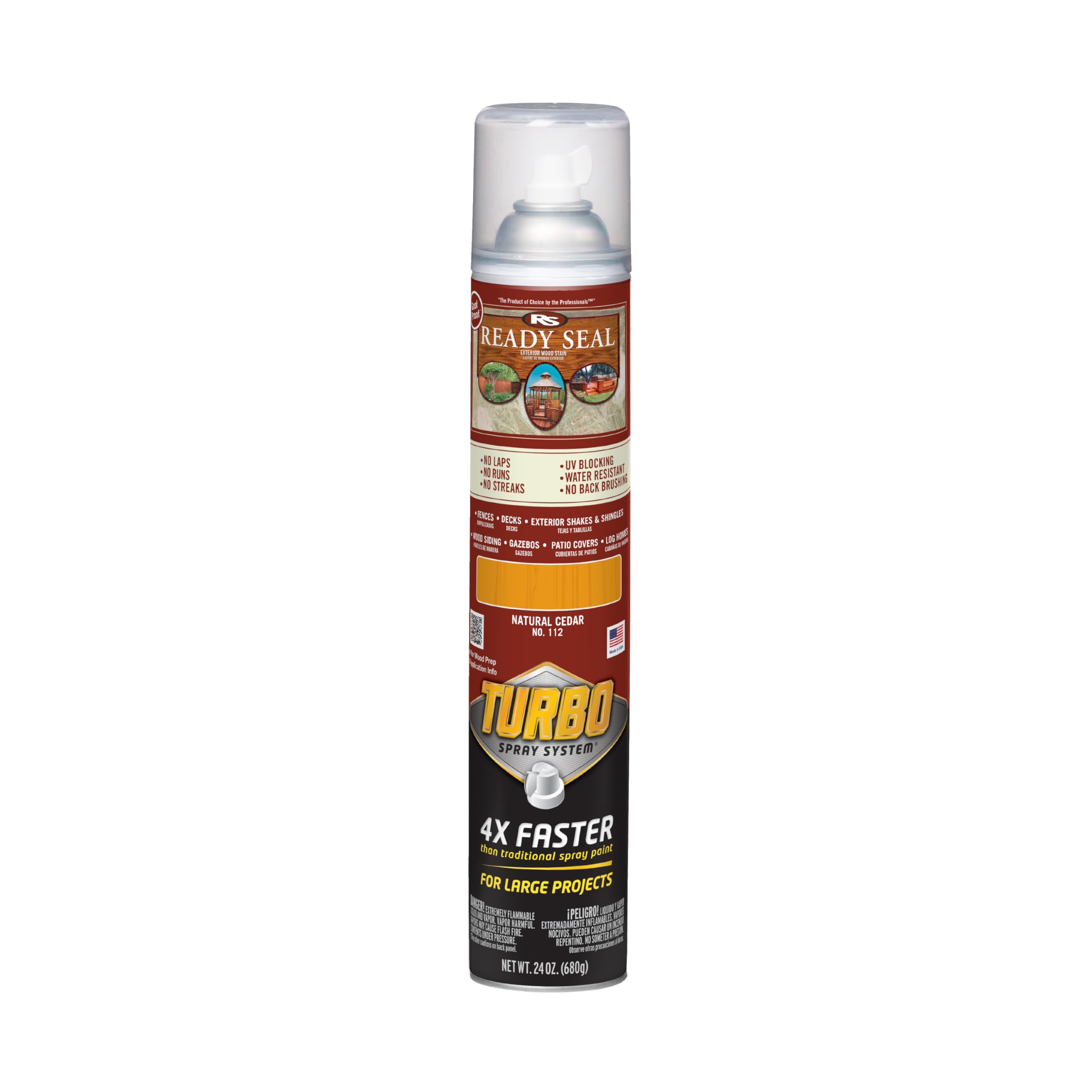
Ready Seal Turbo Spray

92 /100
Craft Score Outstanding

Key details

Coverage
50 sq ft per can
Base Type
Oil-based
Durability
Excellent, 2-3 years
Ease of Application
Spray, no back-brushing
View on Amazon

Ready Seal Turbo Spray delivers even, drip-free coverage with a simple spray application that requires no brushing or rolling. The oil-based formula dries to the touch in about an hour and provides solid water resistance and UV protection for exterior wood surfaces.

This is a good fit for DIY beginners tackling fences, siding, or small decks under 200 square feet. The higher per-square-foot cost compared to gallon-size stains means it’s less economical for large horizontal surfaces, and the product is designed for exterior use only. Note that the wet color may appear darker than the final dried shade, and some airless sprayers may not handle the viscosity as well as the included handheld sprayer does.

💡 Stick with the included handheld sprayer or a pump sprayer — high-pressure airless models may not deliver consistent flow.

Pros

  • Spray-on application with no streaks, runs, or lap marks
  • Forms a durable, water-resistant seal with UV protection
  • Fast-drying formula allows quick project turnaround

Cons

  • Fresh stain can look darker than expected and lightens as it dries
  • Some airless sprayers may struggle; a brush or roller may be needed instead
Our verdict

For small exterior projects where ease of application matters more than maximizing coverage per dollar, this is a straightforward, reliable option.

Check Latest Price
2

Best for Interior Furniture Makeovers

Minwax PolyShades Classic Oak

91 /100
Craft Score Outstanding

Key details

Coverage
½ pint (small)
Base Type
Oil-based
Durability
Moderate, needs topcoat
Ease of Application
Requires thin coats
View on Amazon

This oil-based formula lets you update furniture color and add a satin polyurethane finish in a single coat, directly over existing polyurethane surfaces. It enhances wood grain with a rich sheen.

Best suited for experienced DIYers tackling small interior projects like cabinets or furniture touch-ups. The tinted polyurethane layer is a surface coat, not a penetrating stain, and applying it smoothly requires thin coats and a steady hand to avoid streaks or runs. Drying time can vary, sometimes taking days to fully cure.

💡 Apply in thin, even coats and maintain a wet edge to minimize streaks.

Pros

  • Beautiful, rich finish that enhances wood grain
  • Convenient one-step stain and polyurethane

Cons

  • Application can be tricky
  • Drying time inconsistent; may take days to fully cure
Our verdict

Minwax PolyShades is a functional choice for interior furniture updates, but its streak-prone application makes it a specialized tool for skilled DIYers.

Check Latest Price
3

Best Budget Gallon for Large Decks

SaverSystems #1 Deck Premium

89 /100
Craft Score Excellent

Key details

Coverage
100 sq ft per gal
Base Type
Water-based
Durability
1 year, may peel on decks
Ease of Application
Easy with brush or sprayer
View on Amazon

SaverSystems delivers rich color and water repellency at a fraction of the cost per gallon of comparable stains. Its semi-transparent walnut finish enhances wood grain with a natural look, and water-based formula means easy cleanup with soap and water. However, on horizontal deck surfaces, the film may peel within a single season — even with proper preparation. This makes it a fit for budget-conscious homeowners covering large deck areas who can accept annual recoating rather than seeking multi-year protection. For small projects where application ease matters most, the goof-proof spray system of the top pick is a better choice.

💡 Apply in continuous wet strokes to avoid lap marks, as the fast-drying formula can create uneven color if sections dry before overlapping.

Pros

  • Enhances wood grain with a rich walnut tone that gives old decks a fresh, natural appearance.
  • Water-based formula is low-odor and cleans up easily with soap and water

Cons

  • On horizontal surfaces like deck boards, the finish may peel or fade within a single season, requiring annual recoating.
Our verdict

For large decks on a tight budget, SaverSystems offers the best coverage per dollar — just plan to reapply yearly.

Check Latest Price
4

Best Premium Water-Based Protection

DEFY Extreme Butternut

88 /100
Craft Score Excellent

Key details

Coverage
100-150 sq ft per gal
Base Type
Water-based
Durability
1-2 years, peel risk
Ease of Application
Thin, careful needed
View on Amazon

Zinc nano-particles give this water-based stain a step up in UV protection for decks and fences under harsh sun, while soap-and-water cleanup keeps the job simple. The thin consistency does require a steady hand — drips can happen if you over-apply, and the finish may need recoating in one to two years. That tradeoff is typical of water-based stains that prioritize UV defense over multi-year durability.

This is a solid match for homeowners who want top-tier water repellency and UV blocking and don't mind annual maintenance. The premium price reflects the zinc formulation, not longevity. Color can look more orange than swatches suggest, so test on a hidden area first.

💡 Apply in thin coats and wipe up puddles immediately to avoid drips and uneven finish.

Pros

  • Strong water repellency and UV protection keep wood from graying.
  • Easy application with sprayer, brush, or roller and simple water cleanup.

Cons

  • Thin, watery consistency can cause drips and requires careful application.
  • Finish may peel or fade within one to two years, especially on horizontal deck surfaces.
Our verdict

A strong UV defender for sun-heavy decks, provided you're prepared for annual reapplication and careful handling during application.

Check Latest Price
5

Best for Natural Wood Finishing

Watco Danish Oil Black Walnut

91 /100
Craft Score Outstanding

Key details

Coverage
85 sq ft per pint
Base Type
Oil-based
Durability
Interior, not waterproof
Ease of Application
Flood and wipe, beginner
View on Amazon

Brings out the natural beauty of wood grain with a deep, hand-rubbed appearance that film-forming finishes can't match. The flood-and-wipe method is forgiving, even for beginners. However, this is not a surface sealer — it provides limited water resistance and requires periodic reapplication for interior furniture, cabinets, and trim. Drying time can be slow, so adequate ventilation and patience are necessary.

💡 Allow several days of ventilation for full cure before placing objects on the surface.

Pros

  • Produces a beautiful hand-rubbed finish that enhances wood grain
  • Easy to apply with a forgiving flood-and-wipe method
  • Excellent for highlighting figure in wood on bare or sanded surfaces

Cons

  • Drying and curing time can be slow; requires adequate ventilation
Our verdict

For interior fine woodworking, this Danish oil delivers natural grain depth that film-forming stains can't match — ideal when appearance trumps water resistance.

Check Latest Price

How to Choose

Base Type: Oil vs. Water

Oil-based stains penetrate wood fibers deeply, creating a bond that resists peeling and fading. They require mineral spirits for cleanup and have stronger fumes, but the durability payoff is a 2-3 year finish on decks. Water-based stains sit more on the surface, forming a thin film. They clean up with soap and water, have lower VOCs, but the film can crack and peel under UV exposure or foot traffic.

For exterior projects like fences and decks, oil-based is generally the longer-lasting option. For interior furniture where you want easy cleanup and low odor, water-based works well — but expect to reapply every 1-2 years on high-touch surfaces.

Coverage

Coverage is measured in square feet per gallon (or pint). Water-based products often claim 100-150 sq ft per gallon, while oil-based sprays like Ready Seal cover about 50 sq ft per 24 oz can. The hidden trade-off: a product with high coverage per gallon may be so thin that it requires two coats for even color, cutting effective coverage in half.

On a 200 sq ft deck, a single gallon of water-based stain might do the job in one coat. But if the wood is thirsty or the product is semi-transparent, a second coat could double your product cost. Always buy 10-15% extra for touch-ups and waste.

Ease of Application

Ease of application is often the first promise on the label, but it varies wildly. Sprayable formulas that don't require back-brushing save time on fences but can clog sprayers if the viscosity isn't matched. Brush or roller application gives you more control but introduces lap marks if the product dries too fast.

The buyer who values speed should look for a product with a longer 'open time' — the window before the stain sets. Water-based stains dry faster, requiring continuous wet edges to avoid stripes. Oil-based stains generally stay workable longer, forgiving slower hands.

Durability

Durability is about how long the finish lasts before fading, peeling, or requiring reapplication. Oil-based stains typically hold up 2-3 years on horizontal deck surfaces; water-based stains often need annual recoating. The mechanism: oil soaks into the wood, while water-based film sits on top and undergoes UV and moisture stress at the surface level.

The trade-off is maintenance frequency. If you're willing to re-stain every year, a budget water-based stain like SaverSystems gives great initial looks. If you want to stretch the interval, invest in an oil-based product or a premium water-based one with UV blockers. Remember: no one-step stain and sealer lasts forever — all will need reapplication eventually.

Frequently Asked Questions