12 Best Hand Saw of 2026: Clean Cuts That Last Without Blade Breakage

Find the best hand saw for woodworking, camping, or pruning – with clear advice to avoid blade bending, rust, and early dulling.

Many hand saw buyers start optimistic – a cheap folding saw or a budget pull saw seems like a steal. Then the blade bends on the third branch, or the teeth dull after one project. Frustration sets in when marketing claims don't match real-world durability.

The root cause isn't bad luck – it's choosing the wrong saw type for the task. Japanese pull saws deliver glass-smooth cuts but need a pull stroke technique and are fragile with side pressure. Folding pruning saws trade precision for portability and can snap under heavy stress. Budget options often use inconsistent steel that fails fast.

This guide focuses on matching the saw to your specific work – joinery, camping, pruning, or drywall – so you get a tool that performs reliably on Day 100, not just Day 1. No saw is perfect for everything, but the right one makes your job easier and safer.

1

Best Overall Hand Saw

SUIZAN Ryoba 9.5" Pull Saw

96 /100
Craft Score Outstanding

Key details

Blade Material
Japanese Steel
Replaceable Blade
Yes
Blade Length & TPI
9.5 in, 9/15 TPI
Foldable & Portable
No
View on Amazon

The SUIZAN Ryoba's double-edge blade handles both rip and crosscut without needing to swap tools, and the razor-sharp Japanese steel delivers smooth, splinter-free cuts right out of the box. The thin kerf (0.03 inches) removes less material than a Western saw, making precision work easier and reducing fatigue.

This saw is best for woodworking, joinery, and DIY furniture making where clean lines matter. The pull-stroke technique takes a few cuts to get used to, and the blade can bend or chip if you force it through knotty wood or apply heavy side pressure — something to keep in mind when working with reclaimed or unpredictable lumber.

💡 Avoid using side force or cutting heavily knotted wood to prevent blade bending or tooth loss.

Pros

  • Exceptional cutting performance
  • Razor sharp out of the box and holds edge well
  • Great value for a premium Japanese tool

Cons

  • Blade durability can be inconsistent when cutting knotty wood or applying side force
  • Requires learning the pull-stroke technique, not intuitive for those used to Western push saws
Our verdict

For woodworkers who want one saw that does rip and crosscut well without spending a premium, this is a straightforward buy.
Check Latest Price
2

Best for Outdoor & Camping

Bahco Laplander 7.5"

96 /100
Craft Score Outstanding

Key details

Blade Material
Swedish Steel
Replaceable Blade
No
Blade Length & TPI
7.5 in, 7 TPI
Foldable & Portable
Yes
View on Amazon

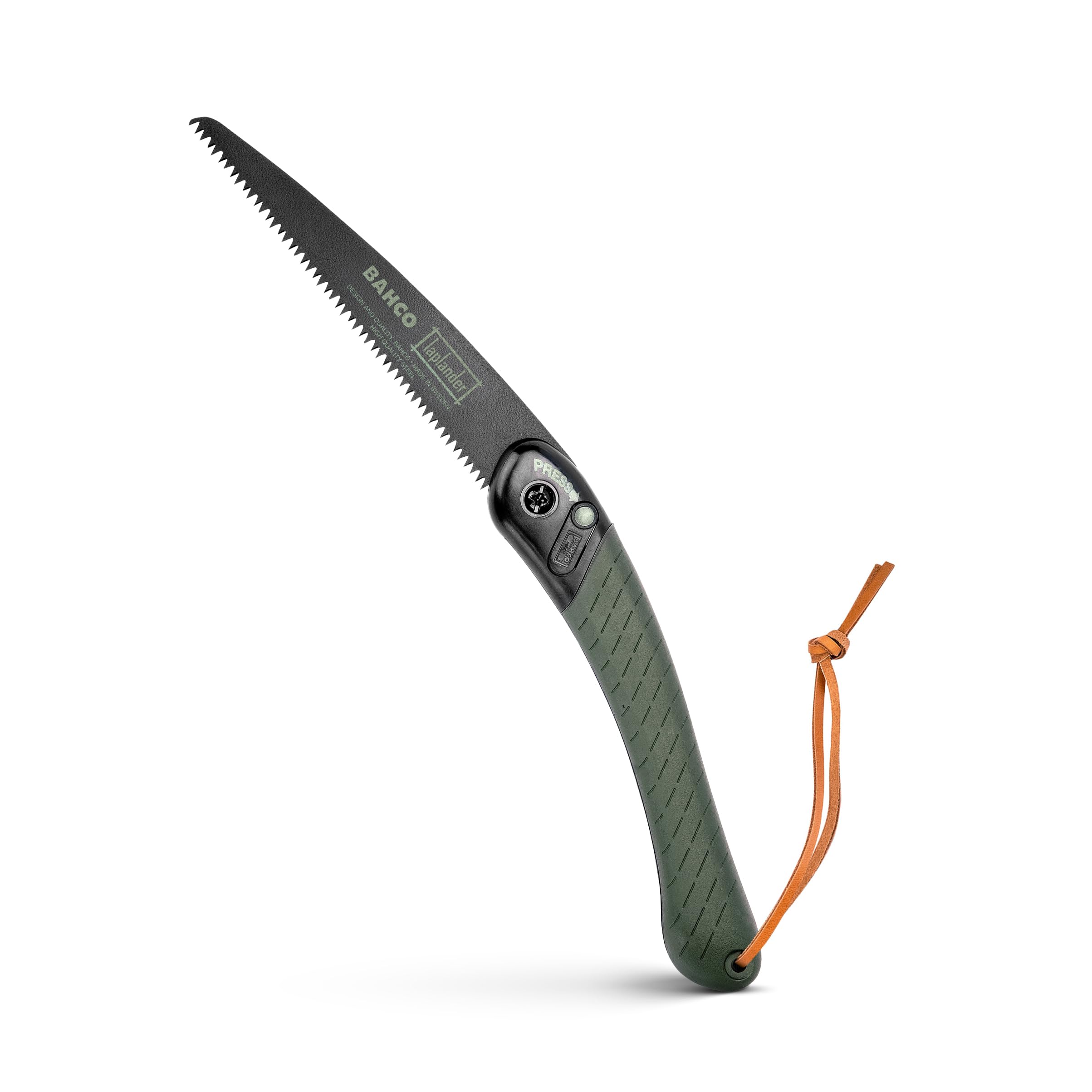
The 7.5-inch Swedish steel blade cuts green and dry wood efficiently, making it a favorite among outdoor enthusiasts for camping, backpacking, and trail maintenance. At just over seven ounces, it packs easily without sacrificing cutting performance. The blade stays sharp through many uses, but it can bend if forced through oversized cuts, and the lock mechanism is functional rather than heavy-duty. This is a saw for portable tasks, not for prying or aggressive limbing.

💡 Avoid forcing the blade through cuts wider than its depth; let the teeth do the work.

Pros

  • Cuts quickly through both green and dry wood.
  • Weighs just over seven ounces, easy to pack for hikes or camping.
  • Blade retains its sharp edge through many cutting sessions.

Cons

  • Blade can bend if excessive force is applied; lock mechanism is less robust than premium competitors.
Our verdict

For anyone who needs a compact, light saw for woods work – not heavy pruning – this is the one to reach for.

Check Latest Price
3

Best for Gardening & Pruning

Corona 8" RazorTOOTH

96 /100
Craft Score Outstanding

Key details

Blade Material
SK5 Steel
Replaceable Blade
No
Blade Length & TPI
8 in, 6 TPI
Foldable & Portable
Yes
View on Amazon

The Corona 8-inch RazorTOOTH folding saw is the go-to for gardeners who want fast cuts without a premium price. Its 6 TPI blade slices through green wood and dry branches with minimal effort, and the contoured handle gives good control during extended pruning sessions.

This saw suits DIY yard work, storm cleanup, and camping trail maintenance where portability matters. For heavy limbing or twisting cuts, the blade may flex – it’s worth applying steady, straight pressure rather than side force.

💡 Apply even pressure and avoid twisting to prevent blade flex on thicker branches.

Pros

  • Cuts through branches quickly with 6 TPI razor teeth
  • Ergonomic handle provides a secure, comfortable grip
  • Holds sharp edge for extended use, reducing replacement frequency

Cons

  • Under heavy stress on thick limbs, the blade can flex
Our verdict

For most pruning tasks under 4 inches, this saw delivers ample cutting speed and comfort at a mid-range price.

Check Latest Price
4

Best for Precision Flush Cuts

SUIZAN Flush Cut 5"

95 /100
Craft Score Outstanding

Key details

Blade Material
Japanese Steel
Replaceable Blade
No
Blade Length & TPI
5 in, —
Foldable & Portable
Yes
View on Amazon

The SUIZAN Flush Cut 5-inch uses a thin, flexible blade to cut dowels and plugs perfectly flush with the workpiece, leaving no scratches. The 5-inch blade is narrow enough to trim dowels without damaging surrounding surfaces, ideal for pocket hole joinery and model building. While the larger Ryoba handles rip and crosscut, this saw focuses on flush trimming. The blade bends to follow curved surfaces and reaches tight spots in joinery. That flexibility comes with a tradeoff: aggressive use or heavy pressure can snap the blade, and the handle feels less robust than pricier options.

This saw fits woodworkers who need precise flush cuts for dowel pins, pocket hole plugs, or model making. It is not a general-purpose saw — skip it if you need to cut boards or branches. At its price point, it offers focused performance that dedicated flush-cut saws at twice the cost cannot beat.

💡 Use light, steady strokes — forcing the blade increases the risk of snapping.

Pros

  • Delivers clean flush cuts that leave the workpiece surface undamaged
  • Sharp Japanese steel blade makes precise cuts in tight spaces
  • Budget-friendly tool for a specific cutting need

Cons

  • Blade can snap under heavy pressure; handle may not withstand forceful use
Our verdict

Best for woodworkers who regularly trim dowels or pocket hole plugs — for general cutting, look to the larger Ryoba saw.

Check Latest Price
5

Best Budget Jab Saw

Goldblatt 5" Jab Saw

96 /100
Craft Score Outstanding

Key details

Blade Material
High Speed Steel
Replaceable Blade
No
Blade Length & TPI
5 in, 8 TPI
Foldable & Portable
Yes
View on Amazon

The Goldblatt's 5-inch bi-metal blade makes quick work of drywall cuts and thin plywood, folding compactly for belt carry. Its sturdy lock mechanism keeps the blade secure during use. This saw suits DIYers tackling wallboard installation, plastic panel trimming, or light sheet cutting — but its short blade and tooth pattern cannot handle thick lumber or heavy framing. For dedicated drywall repair without overspending, it gets the job done.

Pros

  • Solidly built handle and blade lock inspire confidence during cuts.
  • Cuts drywall and thin plywood with smooth, clean edges.
  • Folding design with secure lock stores compactly in a tool bag.

Cons

  • Not intended for cutting thick lumber or heavy framing
Our verdict

For drywall and light sheet cutting on a budget, this folding saw delivers straightforward performance without frills — just keep it away from thick wood.

Check Latest Price
6

Best for Heavy Pruning

Corona 18" Pruning Saw

95 /100
Craft Score Outstanding

Key details

Blade Material
SK5 Steel
Replaceable Blade
No
Blade Length & TPI
18 in, curved
Foldable & Portable
No
View on Amazon

The 18-inch curved blade with aggressive teeth makes quick work of large limbs that would stall smaller saws. The high-carbon SK5 steel stays sharp through repeated cuts on hardwoods. The D-handle gives a solid two-handed grip, but the long, flexible blade is unwieldy for one-handed or overhead cutting. This saw is built for property maintenance, storm cleanup, and farm work — not for backpacking or precise trimming.

Pros

  • Cuts branches up to 10 inches in diameter with minimal effort.
  • High-carbon steel blade retains sharpness and resists bending.
  • Great value for a heavy-duty pruning saw

Cons

  • Long 18-inch blade requires two hands and is awkward for overhead or one-handed use
Our verdict

For anyone tackling large tree limbs and storm cleanup, this saw offers serious cutting power at a mid-range price.

Check Latest Price
7

Light Camping

Mossy Oak 3-in-1 Folding Saw

95 /100
Craft Score Outstanding

Key details

Blade Material
Replaceable Blade
No
Blade Length & TPI
7.5 in, 5/11/18 TPI
Foldable & Portable
Yes
View on Amazon

The Mossy Oak offers three blades for pruning, hardwood/plastic, and metal in a compact folding frame with a carry pouch, making it a convenient option for campers who want one tool for light cutting. The blades lack rigidity, so it's best for occasional pruning and emergency kits rather than heavy-duty work.

Pros

  • Three blades cover wood, plastic, and metal in one folding tool.
  • Compact folding design with included pouch is easy to carry anywhere.

Cons

  • For cutting that requires force, the blade flexibility may cause bending - fine for light pruning and camping.
Our verdict

Best for campers and emergency kits where one tool for occasional cutting outweighs the need for rigidity.

Check Latest Price
8

Small Projects

RUITOOL 6" Ryoba

93 /100
Craft Score Outstanding

Key details

Blade Material
SK5 steel
Replaceable Blade
No
Blade Length & TPI
6 in, 14/17 TPI
Foldable & Portable
No
View on Amazon

Cuts wood effectively for small projects and detail work, with sharp teeth that produce clean results. The compact size fits in an apron or tool bag. However, the short blade limits cutting capacity to narrow stock, and some handles have slight play that can affect precision.

Pros

  • Good cutting performance for the price in small woodworking tasks
  • Sharp and accurate for detail work and small joints

Cons

  • Small blade limits cutting capacity; handle play may affect control
Our verdict

For beginners or small-scale projects where portability and cost matter more than cut capacity, this saw does the job.

Check Latest Price
9

Heavy Outdoor

Silky BIGBOY 2000 14"

96 /100
Craft Score Outstanding

Key details

Blade Material
Chrome steel
Replaceable Blade
No
Blade Length & TPI
14.2 in, 5.5 TPI
Foldable & Portable
Yes
View on Amazon

The 14.2-inch blade with aggressive 5.5 TPI slices through large limbs effortlessly, making short work of branches up to 7 inches thick. For heavy pruning and trail clearing, few folding saws match its efficiency, but the premium price and ongoing maintenance demands mean it's best for serious outdoor users who can keep up with care.

Pros

  • Cuts through large limbs like butter
  • Premium build quality with smooth cutting action

Cons

  • High-carbon steel blade needs diligent drying and oiling after wet use to prevent rust
Our verdict

Best for heavy outdoor cutting where speed is critical, provided you're willing to maintain the blade.

Check Latest Price
10

Large Logs

Agawa BOREAL21

95 /100
Craft Score Outstanding

Key details

Blade Material
Stainless steel
Replaceable Blade
No
Blade Length & TPI
21 in, 6 TPI
Foldable & Portable
Yes
View on Amazon

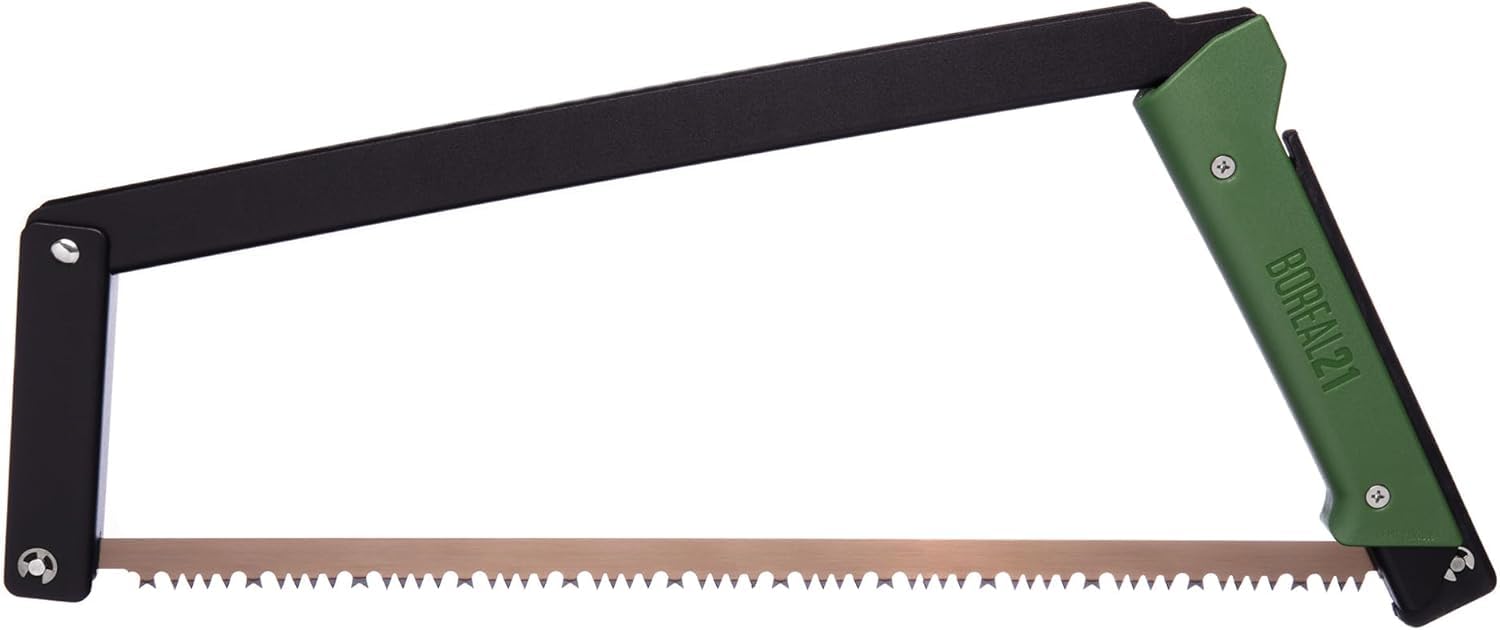
The Agawa BOREAL21 combines a 21-inch stainless steel blade with an anodized aluminum frame that collapses to a compact form. It cuts through thick logs quickly when you have two hands and room to swing. The tradeoff is that this full-size folding saw is too long for pruning or tight spaces, and the premium price puts it beyond casual campers. It suits serious bushcraft or trail maintenance where a big blade is worth the added bulk.

Pros

  • Cuts large logs with minimal effort using a full-size bow-saw action
  • Folds into a compact package for backpacking despite its long blade

Cons

  • Requires two hands and open space; less portable than smaller folding saws
Our verdict

Ideal for backpackers and bushcrafters who regularly process large firewood and need a full-size blade that packs down to a manageable size.

Check Latest Price
11

Garden Pruning

Silky GomBoy 9.5"

96 /100
Craft Score Outstanding

Key details

Blade Material
Chrome steel
Replaceable Blade
No
Blade Length & TPI
9.5 in, 8.5 TPI
Foldable & Portable
Yes
View on Amazon

The GomBoy cuts through wood with minimal effort thanks to its chrome-plated blade and 8.5 TPI. It folds compactly and includes a carrying case. However, quality control can be inconsistent — some units have blade breakage at the base, so it's a moderate performer compared to options like the Corona. At a premium price, it delivers consistent cutting when you get a good unit.

Pros

  • Slices through branches with smooth, low-effort strokes.
  • Folds small and comes with a case for easy transport.

Cons

  • Blade base breakage may occur on some units, so check quality upon arrival.
Our verdict

Fits gardeners and campers who prioritize cutting smoothness and portability over heavy-duty demands, provided they inspect the blade base.

Check Latest Price
12

Metal Cutting

Craftsman 12" Hacksaw

93 /100
Craft Score Outstanding

Key details

Blade Material
High Speed Steel
Replaceable Blade
No
Blade Length & TPI
12 in, —
Foldable & Portable
No
View on Amazon

This 12-inch hacksaw offers solid tension and a comfortable grip for cutting metal and PVC in DIY projects. Blade angles adjust for flexibility, but it is not intended for wood, and the blade can dull faster than premium alternatives. Occasional frame issues have been noted. A cost-effective choice for light metal and plastic cutting.

Pros

  • Solid build with good tension for clean cuts in metal and plastic.
  • Comfortable handle and easy blade changes.

Cons

  • Blade can lose sharpness sooner than expected; frame breakage reported in some cases.
Our verdict

Best for light DIY metal and PVC cutting where budget matters more than blade longevity.

Check Latest Price

How to Choose

Blade Length and TPI

Blade length determines the cutting capacity – longer blades handle larger stock but reduce control. For woodworking, 7-10 inches gives a good balance; for pruning, 8-18 inches matches branch diameter.

Tooth count (TPI) directly affects cut quality and speed. Higher TPI (12-20) produces smoother finish but cuts slower; lower TPI (5-8) rips through material faster but leaves rougher edges. Using a low-TPI saw on thin drywall will tear edges, while a high-TPI saw on thick logs will bog down.

Blade Material

Most hand saws use high-carbon steel (SK5, SK4) or Japanese steel. High-carbon holds an edge well but rusts quickly without care. Stainless steel resists corrosion but doesn't stay sharp as long. The trade-off is maintenance vs. longevity.

Impulse-hardened teeth (common on pruning saws) stay sharp longer but can't be resharpened. When they dull, you replace the entire blade or saw. This matters if you cut dirty or abrasive wood often.

Handle Ergonomics and Grip

Handle shape controls leverage and fatigue. D-handles give two-handed power for large pruning, while straight handles offer precision for joinery. Ergonomic rubber grips reduce vibration but can slip when wet.

A poorly fitted handle forces you to grip harder, causing hand cramps. If you plan long sessions, look for a contoured, non-slip handle that matches your hand size – cheap plastic handles often cause discomfort after an hour.

Foldability and Portability

Folding saws trade rigidity for portability. A locking mechanism that feels solid in the store may loosen after repeated use, causing the blade to wobble. Test the lock before buying.

Non-folding saws are more durable because there are no hinge points. If you don't need to carry the saw in a pocket, a fixed blade gives better stability and longer life.

Replaceability of Blades

Replaceable blades let you swap a dull or damaged blade instead of buying a whole new saw. This is cost-effective for frequent users. However, replacement blades are often expensive and may not be stocked locally.

Non-replaceable blades are common on budget folding saws. When the blade dulls or breaks, the entire saw is disposable. If you plan heavy use, invest in a saw with replaceable blades to save money over time.

Frequently Asked Questions