12 Best Marking Knife of 2026: Find One That Won't Snap on You

How to choose a marking knife that stays sharp and survives tip breakage. Precision joinery or budget-friendly options that actually work.

A marking knife should cut clean lines, not break the first time it meets a knot. Yet tip breakage and edge rolling are the most common complaints among woodworkers of all skill levels. Many knives that arrive razor-sharp lose their bite within a few projects.

The culprit is often steel treatment and blade geometry, not the brand name or price tag. A thin, well-hardened blade can outperform a thick one that's brittle or too soft. This guide ignores marketing claims and focuses on the heat treat and design choices that determine real-world durability.

Whether you need a precise dovetail knife, a rugged job-site tool, or an affordable starter, the right marking knife exists. The trade-off usually comes down to precision versus a complete ready-to-use package — and one standout avoids the breakage issue entirely.

1

Top Pick

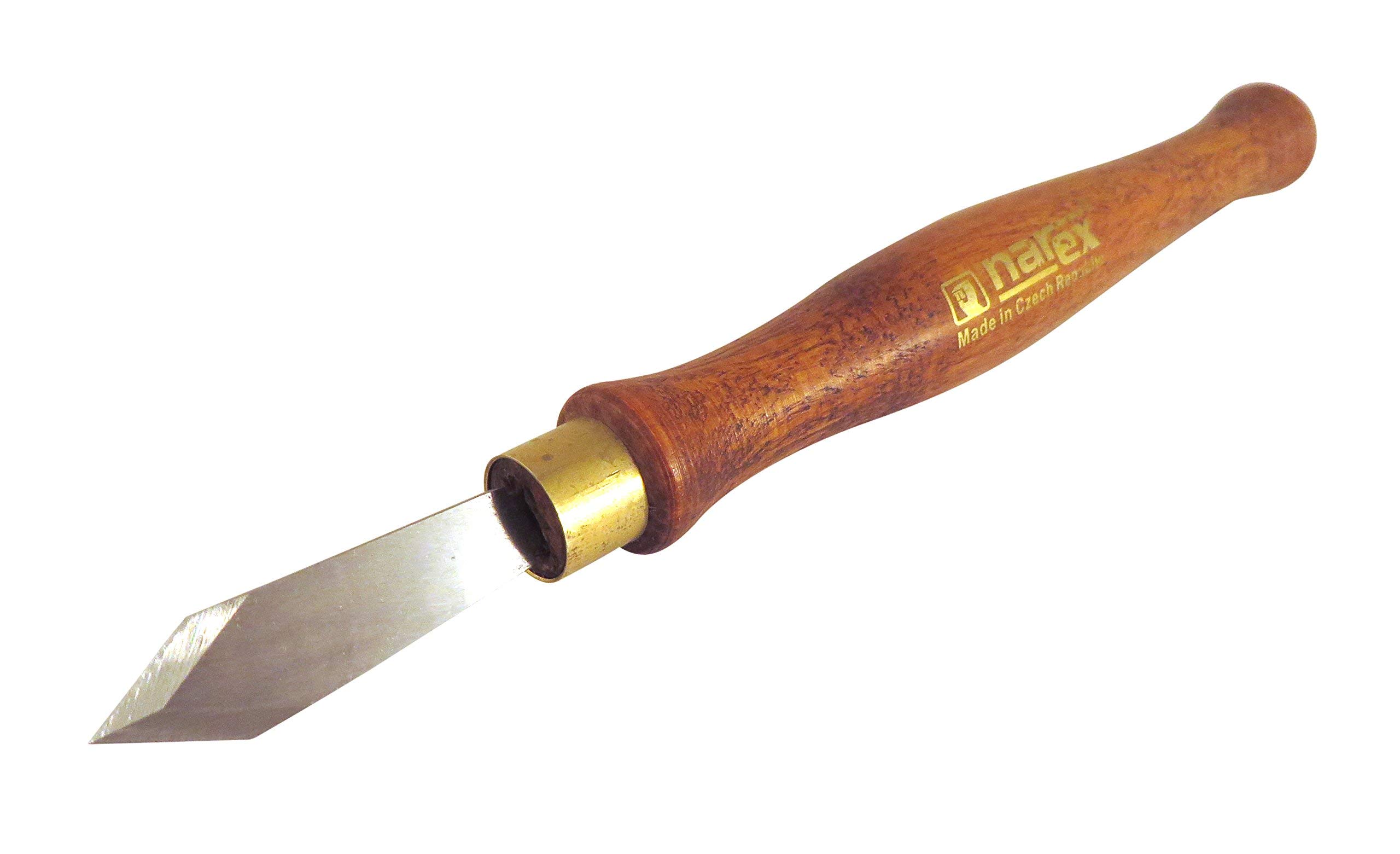
Narex Thin Blade 822302

90 /100
Craft Score Outstanding

Key details

Sheath
Blade Type
Double bevel (ambidextrous)
Blade Material
Mn-V alloy steel, HRc 61
Blade Thickness
0.055"
View on Amazon

The Narex thin-blade marking knife combines exceptional edge retention with a thin, precise profile. Its Mn-V steel at HRc 61 holds a razor edge through repeated marking, and the double bevel cuts clean lines without deflection.

For dovetail layout, this knife scores accurately against a square. The hornbeam handle is comfortable for both hands, and the tip holds up well in normal use. The thin blade does require care — if dropped on a hard surface, the tip can snap.

This knife suits woodworkers who prioritize marking precision over multi-purpose use. It is not for heavy carving or striking. With proper handling, it delivers consistent, crisp lines for fine joinery.

💡 Store the knife in a secure place or use a sheath when not in use to prevent accidental drops.

Pros

  • Edge stays sharp for extended use without frequent stropping.
  • Produces clean, accurate lines for dovetails and joinery with no wander.
  • Comfortable ergonomic handle works well for both right and left-handed use.

Cons

  • Tip can snap if the knife is dropped on a hard surface
Our verdict

For hand-cut dovetails and precision joinery, this knife offers the best edge retention and tip durability in its class — if you handle it with care.

Check Latest Price
2

Runner Up

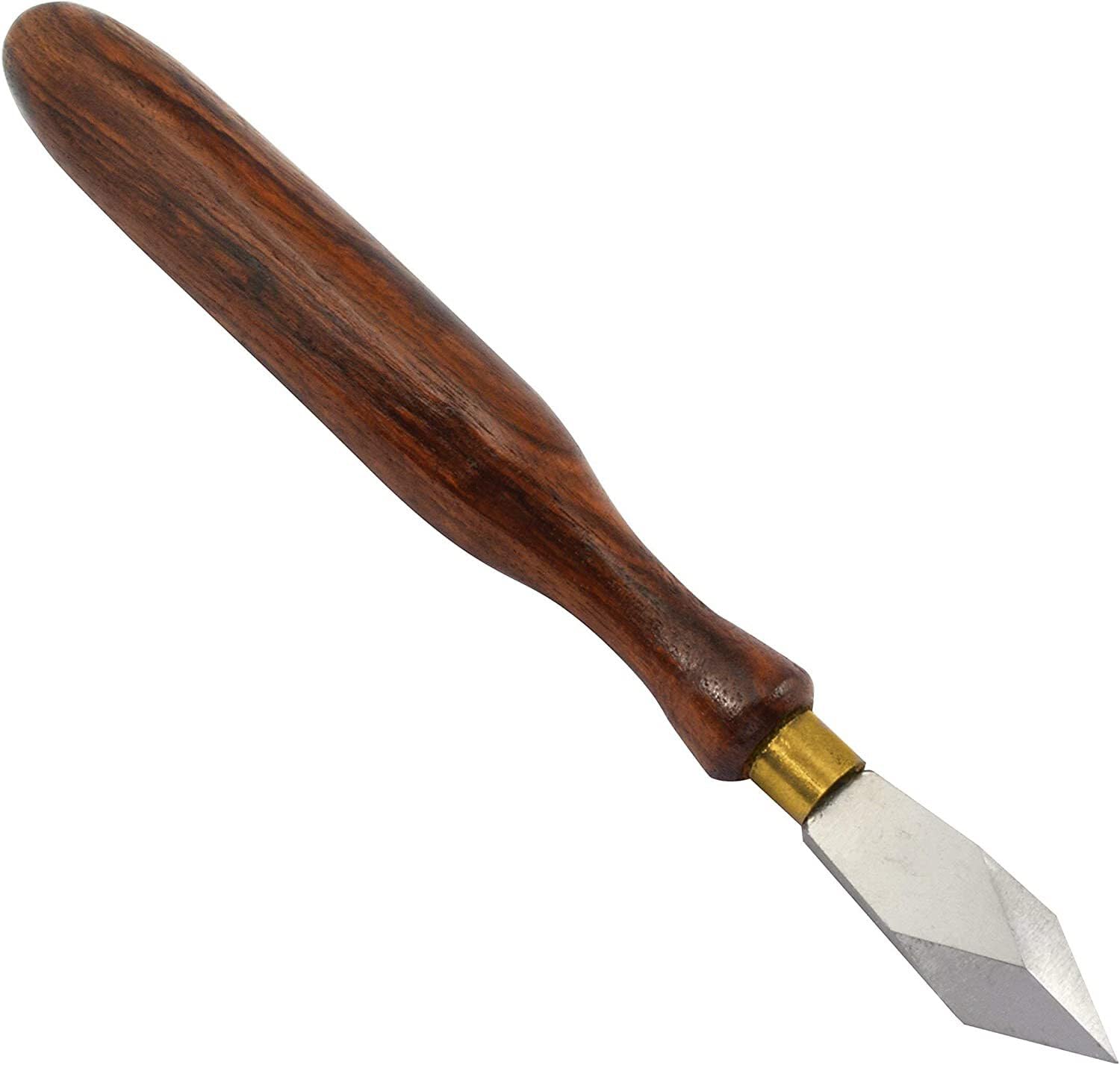
Clarke Brothers Marking Knife

92 /100
Craft Score Outstanding

Key details

Sheath
Leather
Blade Type
Double bevel (ambidextrous)
Blade Material
High carbon steel
Blade Thickness
View on Amazon

This Clarke Brothers marking knife pairs a double-bevel blade with a comfortable padauk wood handle and a genuine leather sheath — a complete package for woodworkers who want to start marking right away. The blade arrives sharp and responds well to stropping. However, the tip can be vulnerable to damage under sideways pressure, so this suits woodworkers who mark with controlled pressure and prefer a ready-to-use kit over the edge retention of the Narex thin-blade.

💡 Keep the blade set screw snug — a drop of thread locker prevents loosening during marking.

Pros

  • Solid build quality with a well-finished handle and blade for consistent marking.
  • Sharp edge out of the box and easy to maintain with standard stropping.

Cons

  • Blade may loosen from the handle over time; periodic tightening is advisable.
Our verdict

For woodworkers who want a complete marking knife with sheath and ambidextrous double bevel, the Clarke Brothers delivers solid performance at a fair price — just keep an eye on blade retention and avoid heavy lateral pressure.

Check Latest Price
3

Runner Up

Big Horn 19061 Marking Knife

91 /100
Craft Score Outstanding

Key details

Sheath
Blade Type
Single bevel (flat side)
Blade Material
High carbon steel
Blade Thickness
1.5" length
View on Amazon

Nearly 2,000 reviews confirm the Big Horn 19061 marks accurately against a square and the rosewood handle is comfortable for extended use. At this price point, it’s a functional entry-level option for occasional softwood work.

This knife suits budget-conscious beginners who need a functional marking knife for softwoods. The blade steel is soft — edge rolls on hardwoods and the tip can snap under lateral stress, so it’s best kept to lighter joinery and scoring tasks.

💡 Periodically tighten the brass ferrule to prevent the blade from loosening during use.

Pros

  • Flat side rides accurately against squares and straightedges
  • Rosewood handle with brass ferrule is comfortable for extended marking sessions
  • Budget-friendly price for occasional woodworkers

Cons

  • Edge may roll or dull faster when used on hardwoods
  • Blade tip can snap under lateral stress; blade may come loose from the handle
Our verdict

For softwood marking and beginners on a budget, the Big Horn delivers accurate marks and a comfortable grip — just keep it away from hardwood and heavy pressure.

Check Latest Price
4

Runner Up

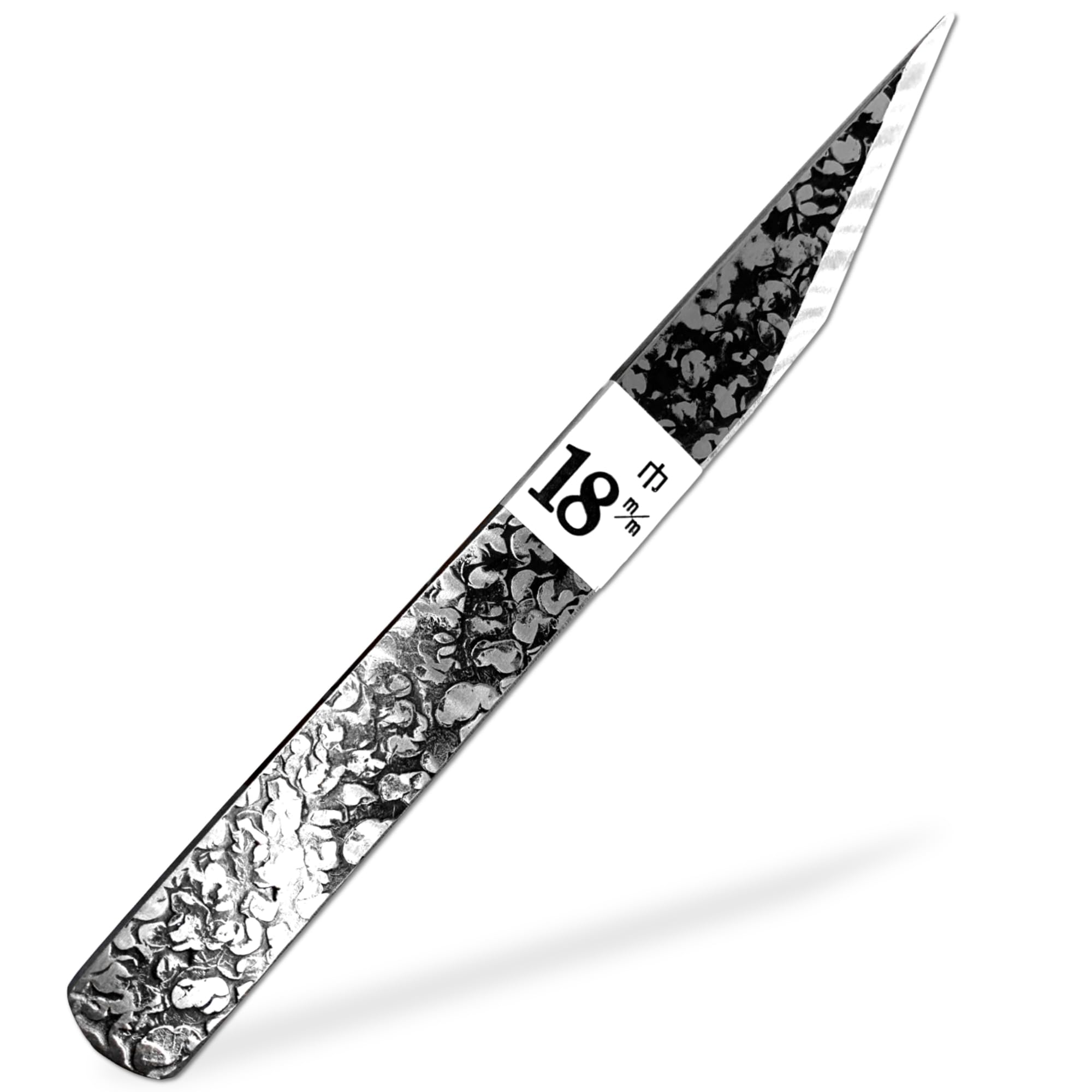
KAKURI Kiridashi 18mm RH

90 /100
Craft Score Outstanding

Key details

Sheath
Blade Type
Single bevel (right-handed)
Blade Material
Japanese carbon steel + soft iron
Blade Thickness
18 mm width
View on Amazon

Razor sharp out of the box, the KAKURI Kiridashi scores precise lines against a square, and its hand-forged hammered finish speaks to traditional Japanese craftsmanship. The tip is vulnerable under lateral stress, so this knife suits vertical marking rather than prying or carving. This single-bevel design is for right-handed users only.

💡 Keep the blade vertical when scoring to avoid lateral pressure on the tip.

Pros

  • Razor-sharp edge out of the box and easy to maintain with light stropping.
  • Hand-forged laminated steel with a distinctive hammered finish.

Cons

  • Tip can break if subjected to lateral stress during light carving or prying.
  • Single-bevel grind restricts use to right-handed woodworkers only.
Our verdict

For right-handed woodworkers who value razor-sharp traditional steel and careful marking, this kiridashi delivers with proper technique. Left-handed users or those needing a durable tip for heavy work should choose a different knife.

Check Latest Price
5

Runner Up

Hultafors Chisel Knife STK

87 /100
Craft Score Excellent

Key details

Sheath
Plastic holster
Blade Type
Double bevel (chisel grind)
Blade Material
Steel (unspecified)
Blade Thickness
View on Amazon

The Hultafors chisel knife combines a durable polypropylene handle with a sharp steel blade that holds its edge through repeated heavy-duty cutting and scoring. The double bevel grind works well for chiseling and rough marking, but lacks a flat reference side, so it won’t register cleanly against a square for precision joinery. The plastic holster includes a belt clip, though the slot is narrow and may not fit thicker work belts. This knife suits carpenters and tradespeople who need a tough multi-purpose blade for on-site work rather than a dedicated marking knife for fine dovetails.

💡 The belt holster fits belts up to about 1.5 inches wide; consider an aftermarket sheath for thicker belts.

Pros

  • Durable plastic and steel construction withstands job-site abuse
  • Sharp out of the box and holds its edge through repeated cuts
  • Budget-friendly price for a knife that handles heavy cutting and scoring

Cons

  • Belt holster slot fits only slim belts; wider work belts may require alternative carry
  • Double bevel chisel grind lacks a flat reference side for clean registration against a square
Our verdict

For heavy-duty job-site marking and cutting at a low price, this chisel knife delivers. Skip it for fine joinery.

Check Latest Price
6

Runner Up

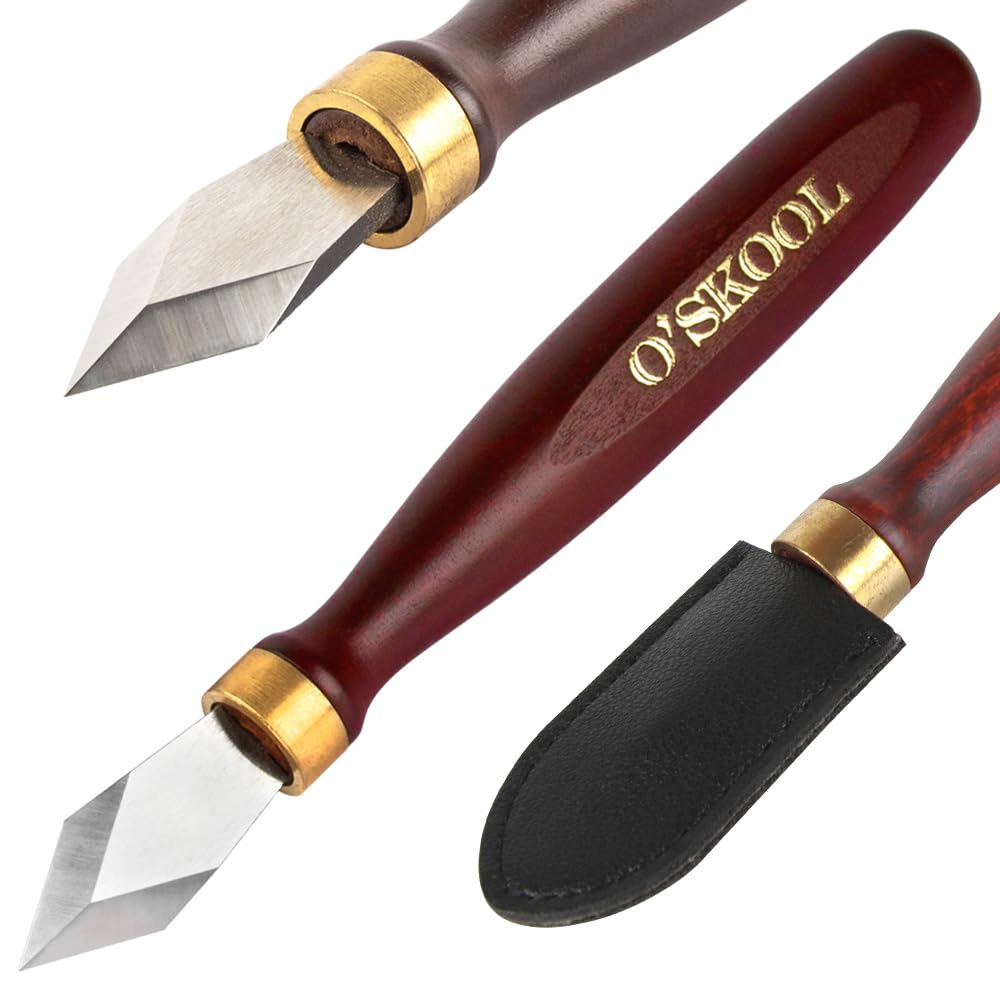
O'SKOOL Marking Knife

89 /100
Craft Score Excellent

Key details

Sheath
Leather
Blade Type
Double bevel (ambidextrous)
Blade Material
High speed steel
Blade Thickness
View on Amazon

The O'SKOOL marking knife cuts cleanly out of the box, with a double-bevel high-speed steel blade that suits both left- and right-handed use. Unlike the more established thin-blade option, this one includes a leather sheath and costs less, but the blade's edge retention over time is not yet confirmed.

This knife fits woodworkers who want a compact, ready-to-use marking knife without a premium price, and are comfortable with a less-established brand. The limited track record means durability under heavy daily use is still unclear – something to consider if you plan to put it through years of joinery.

Pros

  • Sharp and ready to use straight from the box
  • Comfortable beechwood handle suited for precise marking

Cons

No notable drawbacks to flag.

Our verdict

A promising marking knife with immediate sharpness and a comfortable handle; just keep in mind that its long-term durability is not yet established.

Check Latest Price
7

DIY Handle Makers

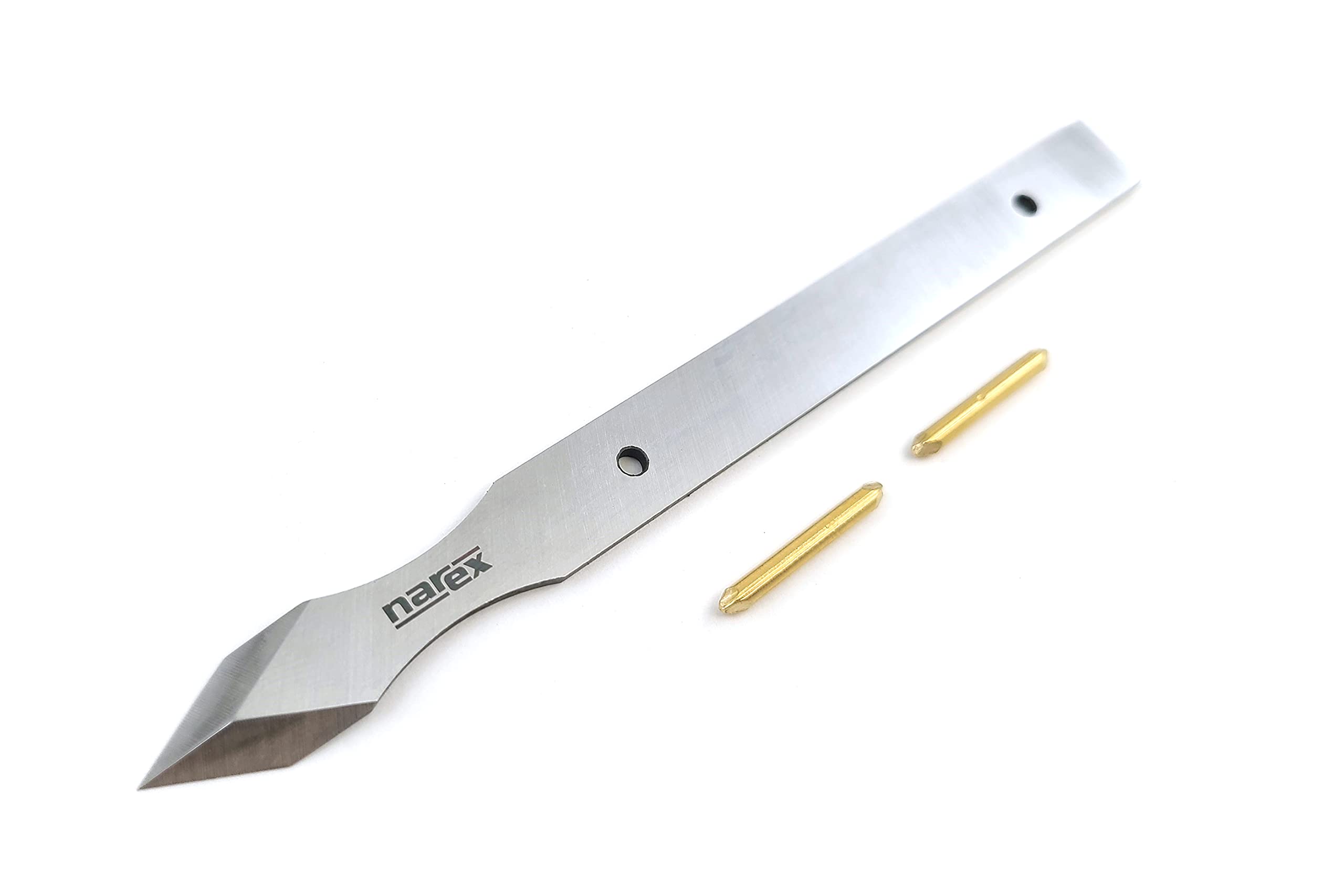
Narex Unhandled Blade Kit

92 /100
Craft Score Outstanding

Key details

Sheath
Blade Type
Double bevel (needs handle)
Blade Material
AISI 420 stainless, HRc 57
Blade Thickness
0.100"
View on Amazon

The Narex blade kit offers a well-ground AISI 420 stainless steel blade (HRc 57) that holds an edge and arrives sharp. It requires handle scales to be attached, so it is not ready to use. Suitable for woodworkers who enjoy making their own handles; not a complete tool for those seeking a ready-to-use marking knife.

Pros

  • High-quality blade that holds an edge well
  • Sharp out of the package and easy to customize with a handle

Cons

  • Requires handle scales to be attached
Our verdict

A good choice for DIY handle makers who want a stainless blade with reliable edge retention at a mid-range price; not for those who need a complete tool immediately.

Check Latest Price
8

Marking + Light Carving

Narex Carving Knife 813800

89 /100
Craft Score Excellent

Key details

Sheath
Included
Blade Type
Dual bevel (ambidextrous)
Blade Material
Cr-Mn alloy steel, HRc 58
Blade Thickness
0.090"
View on Amazon

This Narex knife offers a thicker 0.090-inch blade for those who want to do light carving alongside marking. The Cr-Mn steel at HRc58 comes sharp and the beech handle is comfortable. However, tip breakage has been reported and edge retention is not as strong as the thinner Narex model. Best for users who prioritize a robust blade for light carving over precision dovetail work.

Pros

  • Solid, well-made build with a reassuring heft.
  • Comfortable European beech handle gives good control.

Cons

  • Tip may break under lateral pressure or if dropped; edge can wear faster than thinner blades.
Our verdict

If you need a marking knife that can also handle light carving and you are willing to be cautious with the tip, this Narex is a capable option at a mid-range price.

Check Latest Price
9

Occasional Use, Softwood

NIIIYTYB 2-Pack Marking Knife

86 /100
Craft Score Excellent

Key details

Sheath
Blade Type
Double edged (ambidextrous)
Blade Material
Carbon steel
Blade Thickness
View on Amazon

This 2-pack offers a budget-friendly entry into marking knives at a price that’s hard to beat. The carbon steel blades are thin, so they’re best reserved for softwood practice rather than hardwood joinery. Ideal for beginners wanting an inexpensive set for occasional use.

Pros

  • Two knives for under $7, making it the cheapest entry point for marking practice.
  • Lightweight design and double-bevel blade suit basic scoring on softwood.

Cons

  • Edge can dull quickly on hardwoods, requiring frequent sharpening for sustained use.
Our verdict

For beginners who need a cheap set for practice on softwoods, this two-pack delivers adequate performance at a minimal cost.

Check Latest Price
10

Sharp, Needs Sheath Replacement

RUITOOL Marking Knife

86 /100
Craft Score Excellent

Key details

Sheath
Leather (poor fit)
Blade Type
Double beveled
Blade Material
High carbon steel, HRc 58+
Blade Thickness
1.8" blade
View on Amazon

This budget-friendly marking knife arrives shaving sharp and the hardwood handle feels solid in hand. The included leather sheath, however, is poorly stitched and too small to hold the tip securely, making safe storage a concern. Tip fragility has also been noted in some cases, so careful handling is advised. For woodworkers who can replace the sheath and accept possible tip issues, the initial sharpness and grip are worthwhile.

Pros

  • Extremely sharp out of the box
  • Solid hardwood handle with a comfortable grip during marking.

Cons

  • Included leather sheath does not secure the tip well, posing a cut risk.
Our verdict

A good option only if you are prepared to make or buy a replacement sheath and accept possible tip fragility – not for heavy use.

Check Latest Price
11

Light Marking, Model Making

Micro-Mark Marking Knife

87 /100
Craft Score Excellent

Key details

Sheath
Blade Type
Blade Material
Unknown
Blade Thickness
View on Amazon

The Micro-Mark Marking Knife delivers accurate marking and clean start cuts on soft materials like pine and balsa. However, the soft steel blade loses its edge quickly on hardwoods and requires frequent stropping to maintain sharpness. This makes it a practical option for light-duty model making or beginners on a tight budget, but less suitable for hardwood joinery.

Pros

  • Accurate marking on softwoods and plywood.
  • Effective for starting cuts and preventing tear-out on light materials.

Cons

  • Edge dulls rapidly on hardwoods; regular stropping needed to maintain performance.
Our verdict

Best for model makers or beginners working on softwoods who don't mind regular stropping.

Check Latest Price
12

Curved Cuts, Leatherwork

KAKURI Kiridashi 12mm Curved

89 /100
Craft Score Excellent

Key details

Sheath
Blade Type
Single bevel (right-handed)
Blade Material
Japanese carbon steel + soft iron
Blade Thickness
12 mm width
View on Amazon

This hand-forged curved blade is razor sharp and well-suited to concave cuts or leatherwork. The curved shape makes straight marking difficult, and edge retention may vary. It suits right-handed users who need a curved blade, but for general marking, a straight blade is more practical.

Pros

  • Beautiful traditional Japanese craftsmanship with a hammered finish.
  • Razor sharp out of the box for effortless cuts in wood.

Cons

  • The pointed tip may chip under lateral stress during marking tasks.
Our verdict

A niche choice for right-handed users who want a curved blade for leatherwork or concave cuts and value hand-forged steel.

Check Latest Price

How to Choose

Single vs Double Bevel

Single-bevel knives (like kiridashis) have a flat side that rides perfectly against a square, making them ideal for precise layout lines. But they are handed: right-handed models cannot be used effectively left-handed because the bevel angle pulls the knife off the line.

Double-bevel knives work for both hands and are more versatile, but lack that dead-flat reference surface. For joinery work, a single bevel gives cleaner marks; for general marking and carving, a double bevel offers flexibility.

Steel Hardness and Thickness

Hardness (HRc) determines edge retention but also brittleness. A blade at HRc 58–61 will hold an edge far longer than soft steel around HRc 50, but it can chip if stressed laterally. The trade-off: a very hard, thin blade (like 0.055-inch) is less likely to snap than a thick, hard blade because the thin geometry reduces leverage on the tip.

Thick blades (0.125-inch) give an illusion of toughness, but if the steel is hardened to HRc 61 without proper tempering, the tip becomes a stress riser that breaks under normal marking pressure. The Narex thin blade avoids this by combining high hardness with a slender profile that deflects rather than snaps.

Handle Material and Ergonomics

Wood handles (rosewood, padauk, beech, hornbeam) offer a warm, grippy feel and can be shaped for comfort. They require occasional oiling to prevent drying and cracking. Plastic or metal handles are more durable in wet or dusty environments but can become slippery.

The key ergonomic consideration is whether the handle prevents the knife from rolling off the bench — a round barrel profile invites drops that snap tips. Oval or faceted handles stay put. Also ensure the handle diameter suits your grip: too thin causes fatigue, too thick reduces control.

Tip Durability Reports

Tip breakage is the most common failure mode in marking knives. It almost always stems from a combination of over-hardened steel and a thick blade cross-section at the tip. When the steel is too hard and the tip geometry is bulky, lateral force during normal use — even on softwood — can fracture it.

The solution is to look for knives with a proven track record of minimal breakage. The Narex thin-blade (822302) has no systematic breakage complaints because its thin, fine tip bends slightly under load rather than snapping. Avoid any model where a significant minority of reviews mention tip loss; it indicates a design flaw.

Sheath or Protective Case

A sheath protects both the blade and you. Leather sheaths are common but vary widely in quality: some are too tight, some too loose, and stitching can fail quickly. A poorly fitting sheath can allow the blade to cut through the leather or fall out.

Plastic holsters (like Hultafors) offer secure retention but the belt slot may be too narrow for work belts. For shop use, a magnetic strip or blade guard may be more practical than a sheath. If you rely on the included sheath for storage, check user reviews for fit and safety before trusting it.

Frequently Asked Questions