10 Best Reciprocating Saw of 2026: Maximize Runtime and Cutting Power

Find the right reciprocating saw for your cutting needs — from cordless to corded, brushless to budget — with advice on battery life and stroke length.

Battery life is the single most common frustration with cordless reciprocating saws. A standard 2Ah pack can run out in under 20 minutes of continuous cutting, leaving you hunting for a charger mid-project. But the right saw can turn that limitation into a manageable trade-off.

Brushless motors now extend runtime by up to 2.5x, making them the standard for anyone cutting more than a few boards. The catch is cost — brushless models run $50–$80 more than brushed alternatives. This guide cuts through the specs to match you with a saw that fits how you actually work.

Whether you need unlimited power from a corded saw or the freedom to move around a jobsite, the choice comes down to how long you cut at a stretch and how much weight you're willing to carry.

1

Best Overall

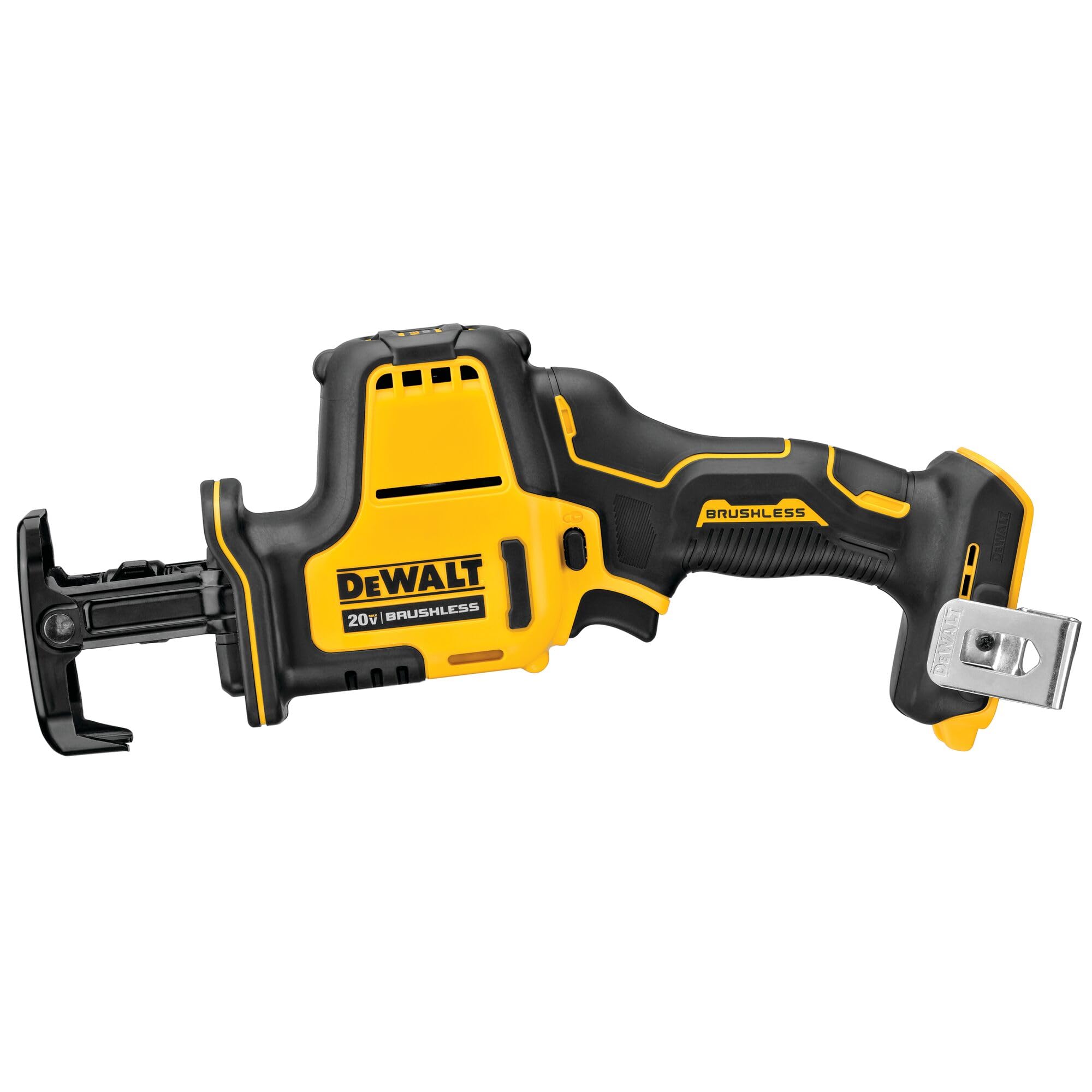
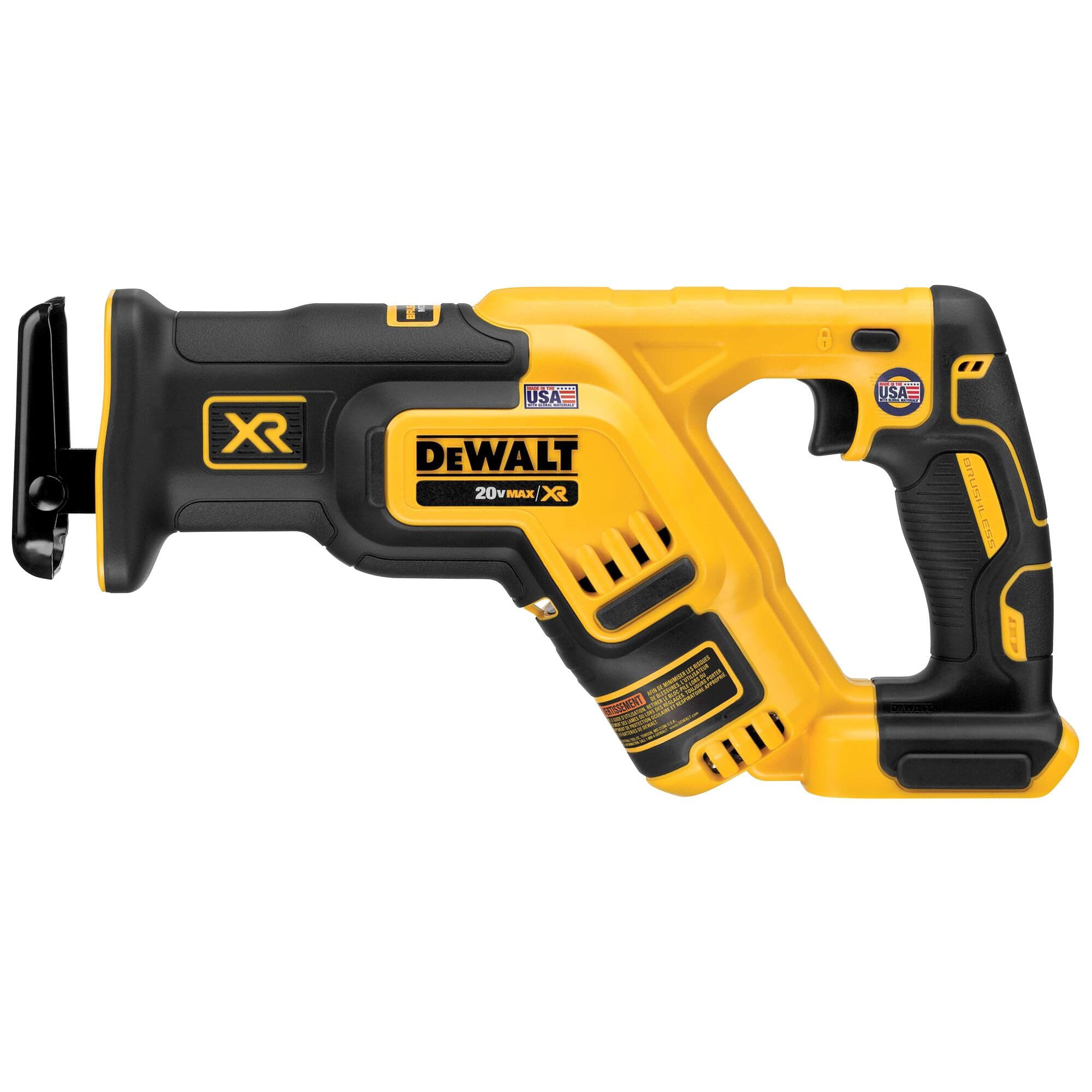
DEWALT DCS367B

96 /100
Craft Score Outstanding

Key details

Motor
Brushless
Weight
5.4 lbs
Blade Clamp
Power Source
20V Battery
View on Amazon

The brushless motor in the DCS367B extends runtime significantly over brushed alternatives, making it a practical choice for extended cutting sessions. It matches the power of larger saws while staying light enough for one-handed use in tight spaces.

Where this saw stands out is its balance of power and portability. It handles demanding cuts through wood, metal, and plastic without bogging down. The tradeoff: with standard 2Ah batteries, runtime is limited for heavy use - high-capacity packs (4Ah or more) are recommended for serious work.

Best suited for serious DIYers and semi-professionals already invested in DeWalt's 20V XR system. If you don't own compatible batteries, the bare-tool price plus battery investment pushes this into premium territory. Occasional users will find better value in a cheaper brushed model.

💡 Pair with 4Ah or larger batteries to avoid frequent swaps during heavy cutting.

Pros

  • Brushless motor gives up to 2.5x longer runtime per charge than brushed equivalents.
  • Compact and lightweight for its power class, easing use in awkward positions.
  • Plenty of power for demanding cuts through wood, metal, and plastic.

Cons

  • Battery life can be short with standard 2Ah packs; high-capacity batteries are recommended for extended use.
  • Bare tool requires separate investment in batteries and charger, best for those already in the DeWalt 20V ecosystem.
Our verdict

A strong performer for users with larger DeWalt batteries who need extended runtime without the weight of a full-size saw.

Check Latest Price
2

Best Value Cordless

DEWALT DCS387B

96 /100
Craft Score Outstanding

Key details

Motor
Brushed
Weight
5 lbs
Blade Clamp
4-position keyless
Power Source
20V Battery
View on Amazon

The DCS387B delivers cutting power comparable to full-size models in a compact body that fits tight spaces. The 4-position blade clamp simplifies flush cuts from different angles. While the brushless DCS367B offers longer runtime, this saw costs significantly less for existing DeWalt battery owners.

This saw suits DIYers and homeowners who need a cordless reciprocating saw for occasional cuts through wood and metal. Battery life is shorter than brushless models — for sustained demolition work, you'll want spare batteries or the brushless upgrade.

💡 Keep a spare 20V battery charged for longer tasks — this saw runs through power faster than brushless alternatives.

Pros

  • Compact design slips into confined spaces where full-size saws won't fit.
  • Cuts through wood and metal easily without bogging down.
  • 4-position blade clamp allows flush cuts from multiple angles.

Cons

  • For extended cutting sessions, battery drain requires more frequent swaps compared to brushless models.
Our verdict

A cost-effective choice for DeWalt 20V users who prioritize compact reach over all-day runtime.

Check Latest Price
3

Best One-Handed

Milwaukee 2719-20

96 /100
Craft Score Outstanding

Key details

Motor
Brushless
Weight
~4 lbs
Blade Clamp
Power Source
18V M18 Battery
View on Amazon

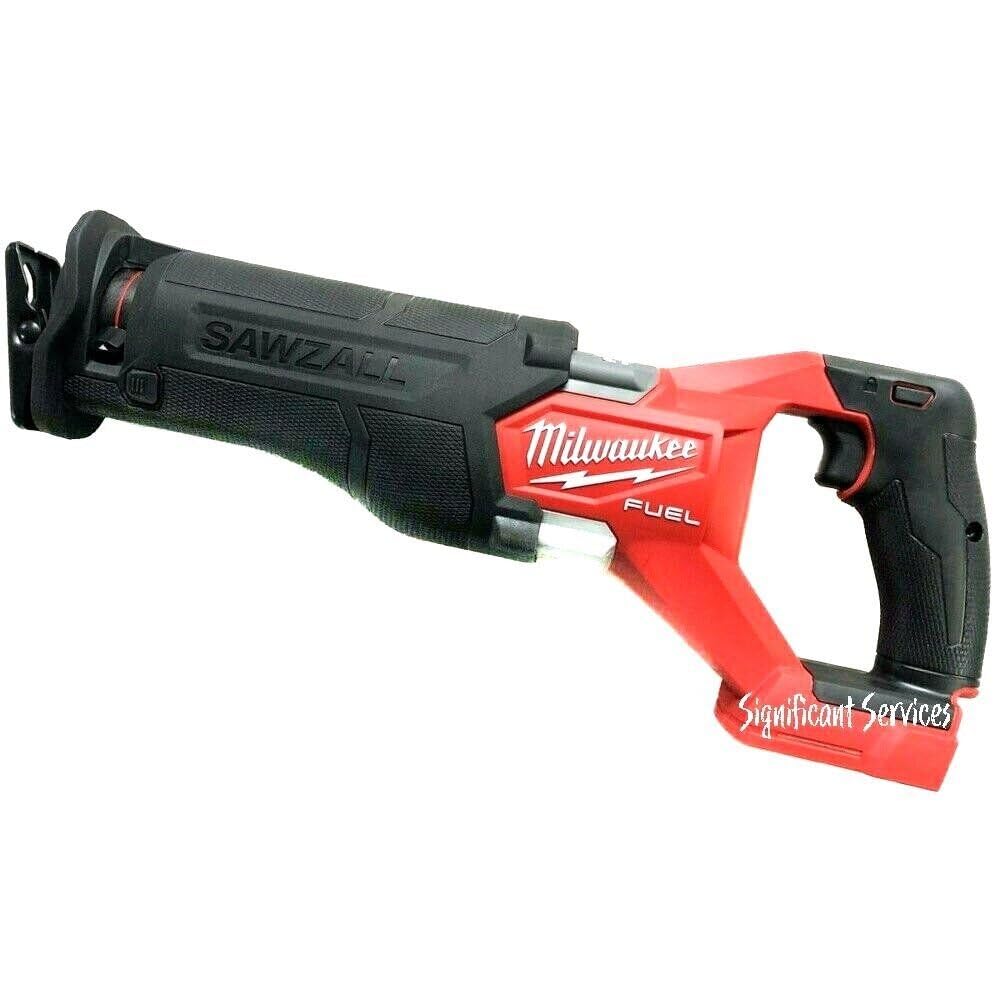
The Milwaukee Fuel brushless motor delivers consistent power in a 4-pound body built for one-handed control. The compact size and PIP blade clamp let you cut overhead or in tight spaces that a full-size Sawzall like the B00VV0EF4A can’t reach. Wood, metal, and pipe are handled easily, though the 7/8-inch stroke means slower progress through thick lumber or stacked materials.

This saw suits plumbers, electricians, and landscapers who value maneuverability over raw demolition speed. DIYers will appreciate the light weight for pruning and small cuts. Battery life with 2Ah packs can run short during continuous use, so keep larger M18 batteries on hand for extended jobs.

💡 Pair with a 6Ah or larger M18 battery to avoid frequent swaps during continuous cuts.

Pros

  • One-handed design allows precise cutting in confined spaces.
  • Cuts wood, metal, and pipe without bogging down.
  • Lightweight for a brushless saw, reducing fatigue during overhead work.

Cons

  • Shorter stroke slows cutting on thick materials like stacked lumber or heavy pipe.
  • Smaller batteries drain faster; high-capacity packs recommended for longer sessions.
Our verdict

A nimble option for plumbers, electricians, and DIYers who prioritize reach and one-handed control over cutting speed in thick stock.

Check Latest Price
4

Premium Brushless Power

Makita XRJ05Z

94 /100
Craft Score Outstanding

Key details

Motor
Brushless
Weight
7.8 lbs
Blade Clamp
Tool-less
Power Source
18V LXT Battery
View on Amazon

The Makita XRJ05Z uses a 1-1/4-inch stroke and brushless motor to cut through thick lumber and metal faster than most cordless alternatives. Two speed settings let you match power to the material. This saw is heavier at 7.8 pounds, so overhead work can be tiring, and standard 2Ah batteries drain quickly during heavy cuts. It's best for professionals who already have Makita LXT batteries and prioritize aggressive demolition speed over portability or runtime.

💡 Using 4Ah or larger batteries extends runtime to match most jobs.

Pros

  • 1-1/4-inch stroke makes quick work of thick materials
  • Brushless motor with low/high speed gives control
  • Tool-less blade changes are fast and secure

Cons

  • At 7.8 lbs, prolonged overhead cutting can cause fatigue
  • Standard 2Ah battery packs require frequent swaps on heavy cuts
Our verdict

If you already own Makita batteries and cut speed matters more than weight, this saw outpaces any compact alternative on the market.

Check Latest Price
5

Best Corded

DEWALT DWE305

94 /100
Craft Score Outstanding

Key details

Motor
Brushed
Weight
8 lbs
Blade Clamp
Lever-action
Power Source
Corded Electric
View on Amazon

The 12-amp motor delivers consistent power without battery swaps, making it a workhorse for demolition and framing. It cuts through wood and metal with ease, and the lever-action clamp speeds up blade changes. While the top pick offers battery freedom, this corded saw removes runtime concerns entirely. At 8 lbs and tethered to an outlet, it's less suited for overhead work or quick moves around a job site, but for anyone needing constant power without battery swaps, this is a dependable option.

💡 A 50-ft extension cord gives flexibility on larger job sites.

Pros

  • Unlimited runtime eliminates battery swaps during demolition.
  • Cuts through wood and metal with consistent power.
  • Lever-action clamp allows tool-free blade changes.

Cons

  • Requires an AC outlet, limiting portability to areas with power access.
  • Weighs 8 lbs, which can cause fatigue during overhead cuts.
Our verdict

For demolition work near an outlet, the DWE305 eliminates battery anxiety without breaking the budget.

Check Latest Price
6

Pruning Tight Spaces

DEWALT DCS369B

96 /100
Craft Score Outstanding

Key details

Motor
Brushless
Weight
~3.4 lbs
Blade Clamp
Power Source
20V Battery
View on Amazon

This DEWALT saw excels where weight and maneuverability matter most. Its compact design and brushless power make it a natural pick for arborists pruning branches or plumbers cutting pipe in crawlspaces. However, the short stroke length means it will bog down in thicker wood or metal – it is not a general demolition tool.

Pros

  • Lightest reciprocating saw at 3.4 lbs for fatigue-free one-handed use
  • Brushless motor delivers surprising power for its size

Cons

  • Short stroke limits cutting capacity in thicker wood or metal, better suited for pruning than demolition
Our verdict

Buy this if your work is primarily pruning, cutting PVC, or working in tight spaces where a full-size saw won't fit. For general demolition or thick materials, consider a full-size brushless model.

Check Latest Price
7

Professionals Heavy Duty

Milwaukee 2821-20

95 /100
Craft Score Outstanding

Key details

Motor
Brushless
Weight
6.8 lbs
Blade Clamp
Power Source
18V M18 Battery
View on Amazon

Brushless motor powers through thick steel and lumber without hesitation. The 6.8-pound heft and need for large M18 batteries make this a dedicated demolition tool. For job-site professionals, it's a powerhouse; for DIYers, lighter alternatives offer better value.

Pros

  • Brushless motor delivers consistent torque for the toughest cuts
  • Cuts through wood, metal, and plastic with no slowdown

Cons

  • At 6.8 pounds, this saw is noticeably heavier than compact cordless models, which can cause fatigue during extended overhead cuts
Our verdict

A top choice for heavy demolition work if weight and battery management are not dealbreakers; skip it if you need a nimble all-day carry.

Check Latest Price
8

Light Pruning

RYOBI PCL515B

93 /100
Craft Score Outstanding

Key details

Motor
Brushed
Weight
4.2 lbs
Blade Clamp
Power Source
18V ONE+ Battery
View on Amazon

For existing Ryobi ONE+ battery owners, this saw provides a budget-friendly option for light pruning and occasional home tasks. Its 4.2-pound weight reduces fatigue, and it handles tree limbs well. However, blade clamp and motor durability may limit its lifespan under more than occasional use.

Pros

  • Low-cost entry for Ryobi ONE+ users who already own batteries
  • Lightweight design reduces arm fatigue during pruning

Cons

  • Blade clamp and motor may wear faster under frequent use beyond light tasks
Our verdict

Best for Ryobi battery owners who need a cheap saw for light yard work and pruning; not a tool for daily or heavy use.

Check Latest Price
9

DIYers Hobbyists

WORX WX550L

92 /100
Craft Score Outstanding

Key details

Motor
Brushed
Weight
4.2 lbs
Blade Clamp
Power Source
20V Battery
View on Amazon

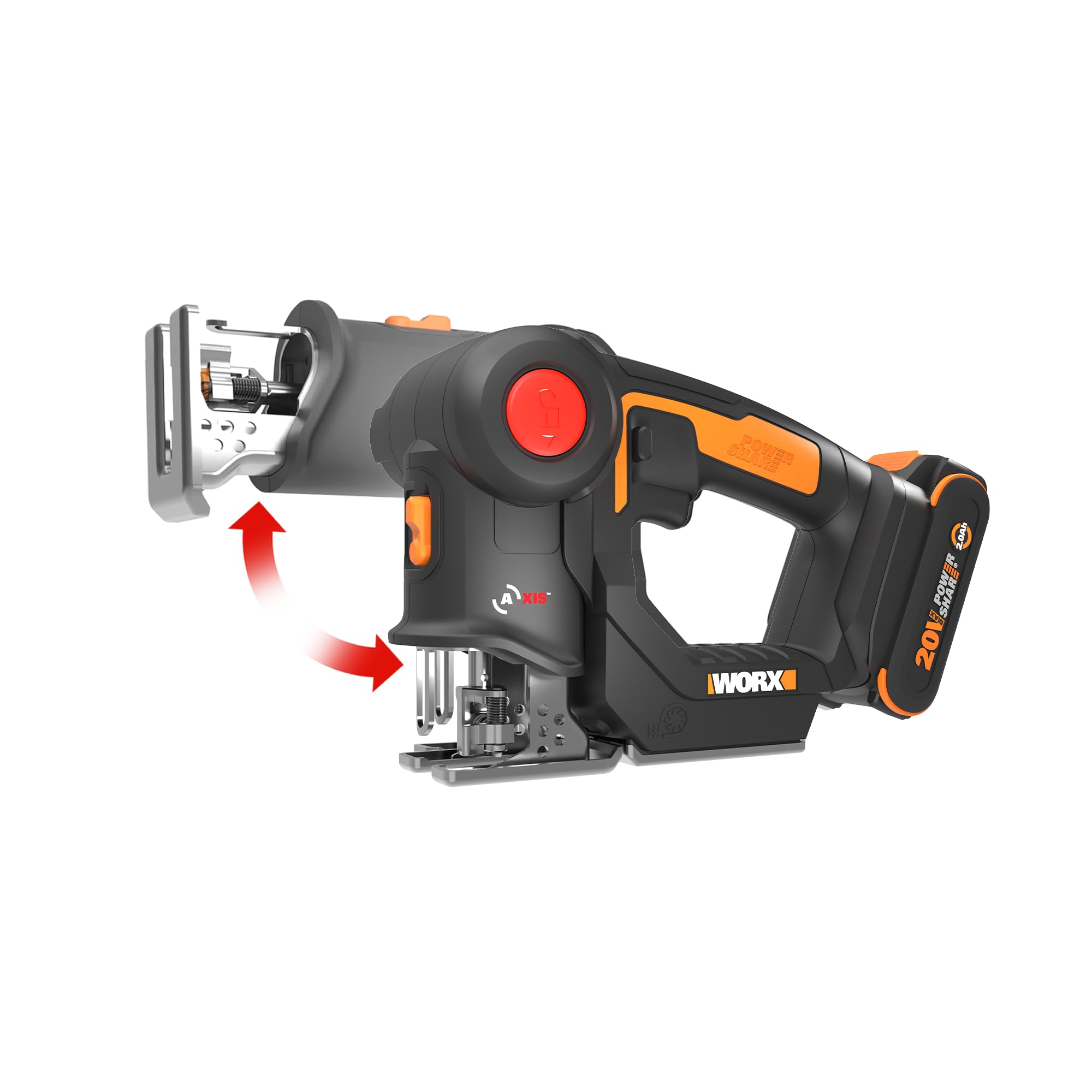
Combines a reciprocating saw and jigsaw in one body, making it handy for pruning branches and cutting plywood. The 4.2-pound weight with battery reduces fatigue during small projects. However, the 3/4-inch stroke limits cutting speed on thicker stock, so it suits occasional DIY and yard work rather than demolition.

Pros

  • Unique 2-in-1 design adds jigsaw functionality to a reciprocating saw frame.
  • Lightweight at 4.2 lbs with battery for easy handling during pruning and craft cuts.

Cons

  • Short 3/4-inch stroke slows cutting through thicker wood and metal.
Our verdict

Best for hobbyists who need occasional light cutting and want the flexibility of two saw modes without spending on separate tools.

Check Latest Price
10

Light Demolition

Milwaukee 2621-20

93 /100
Craft Score Outstanding

Key details

Motor
Brushed
Weight
7.7 lbs
Blade Clamp
Quik-Lok
Power Source
18V M18 Battery
View on Amazon

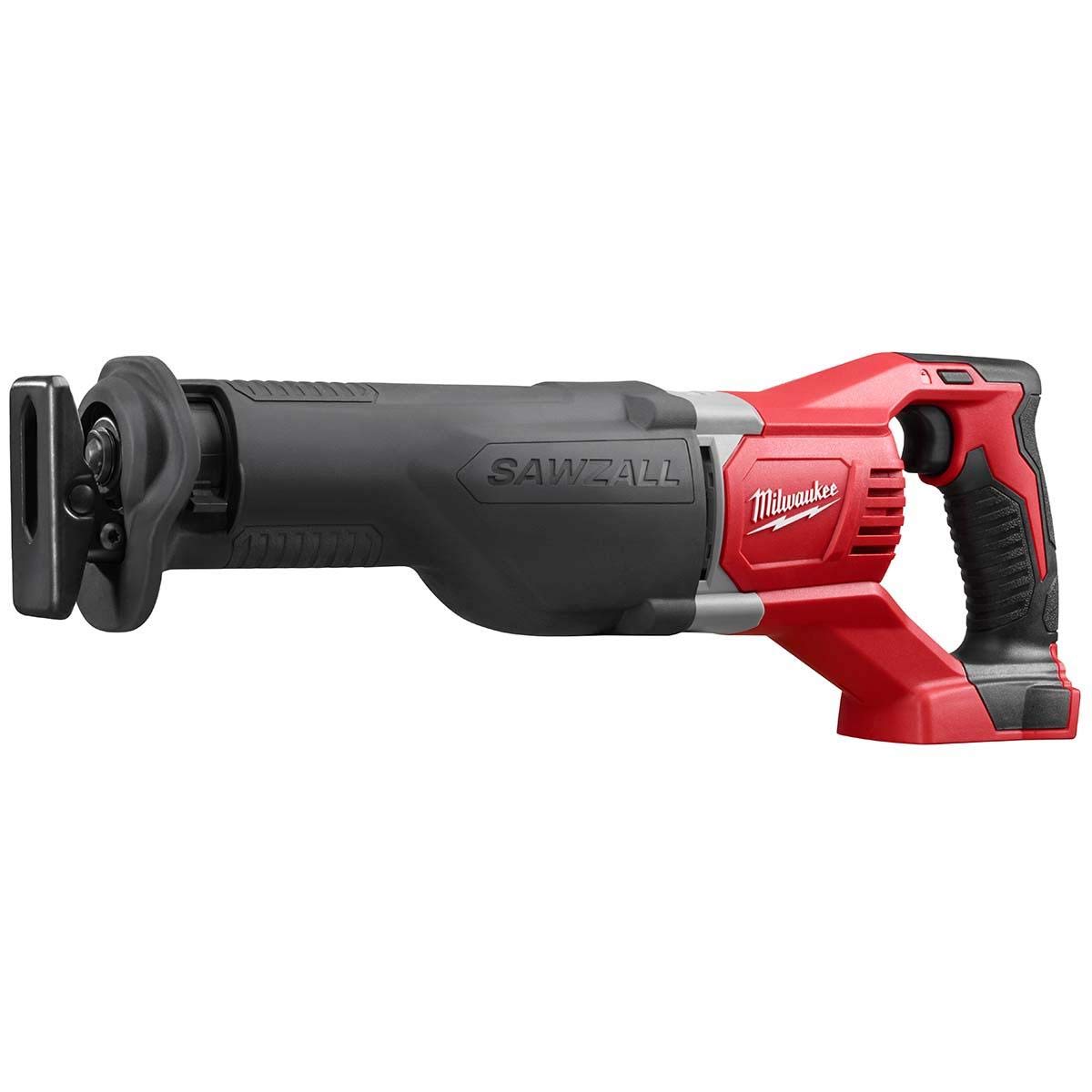
This brushed Sawzall delivers consistent power for light to medium demolition, and the Quik-Lok blade clamp makes swaps fast. The all-metal gearbox adds durability, but at 7.7 pounds it is noticeably heavier than compact alternatives. Battery life with standard packs is modest, so it suits users who already own larger M18 batteries or do not need all-day runtime.

Pros

  • All-metal gearbox provides long-term durability for frequent cutting.
  • Quik-Lok blade clamp allows quick tool-free blade changes.

Cons

  • At 7.7 pounds, the saw is heavier than cordless competitors, tiring for overhead use.
Our verdict

Best for Milwaukee users who already have M18 batteries and want a rugged full-size saw without the premium of the brushless Fuel lineup.

Check Latest Price

How to Choose

Power Source: Corded vs. Cordless

Corded saws deliver consistent, unlimited power but tether you to an outlet. They shine in demolition or framing where you’re cutting for hours without stopping. Cordless saws offer mobility but trade runtime for convenience.

The hidden trade-off is battery weight. A 5Ah pack adds about 1.5 pounds, and you’ll need at least two for a full day of heavy cutting. For occasional use, a single 4Ah battery is usually enough for 20–30 minutes of intermittent work.

Stroke Length

Stroke length determines how much material the blade removes per cycle. A 1-1/4-inch stroke cuts through a 2x4 nearly 30% faster than a 3/4-inch stroke. But longer strokes require a larger, heavier mechanism.

For demolition and framing, aim for at least 1-1/8 inches. For pruning and light metal cutting, a shorter stroke (7/8 inch or less) in a compact one-handed saw is often more practical because it keeps the tool nimble.

Weight and Size

Weight directly affects fatigue. An 8-pound corded saw is manageable for ground-level cuts but becomes a burden overhead or on a ladder. A 4-pound one-handed saw can be used all day without tiring.

The trade-off: lightweight saws have shorter strokes and less leverage, making them slower on thick stock. Choose based on where you’ll use it most — not just the number on the spec sheet.

Brushless vs. Brushed Motor

Brushless motors use electronics to eliminate friction from brushes, delivering up to 50% longer runtime per charge and better durability. They also maintain torque under load better than brushed motors.

The cost difference is $40–$70. For anyone cutting more than a few hours a month, brushless pays for itself in battery life and longevity. For occasional light use, a brushed motor is fine and keeps the price down.

Blade Clamp System

Tool-less blade clamps let you swap blades without a hex key, which matters when you’re cutting mixed materials. The best designs (like DeWalt’s 4-position clamp) also let you orient the blade at different angles for flush cuts.

Budget saws often use a simple keyless chuck that can loosen under vibration. A metal-reinforced clamp with a positive lock is worth the upgrade if you change blades frequently.

Frequently Asked Questions