6 Best Shop Vac for Woodworking 2026: Models That Deliver Real Suction

Which shop vacs actually pull fine sawdust without clogging? A guide for woodworkers who need a vac that matches their tools and workshop space.

A shop vac's peak horsepower rating is a marketing number. In real workshop use, what matters is how well it moves air through a 2.5-inch hose and how often you have to empty it. Many woodworkers discover too late that a compact vac with a small hose clogs after five minutes of table-saw dust collection.

Beyond power, the physical build — wheels that stay attached, a hose that doesn't crack, a filter that cleans easily — determines whether a vac lasts years or becomes a frustration. This guide focuses on the models that combine real suction with reliable daily use.

Whether you're connecting to a planer or cleaning up after a weekend project, the right choice balances capacity and portability without sacrificing the features that actually matter in a wood shop.

1

Best Overall

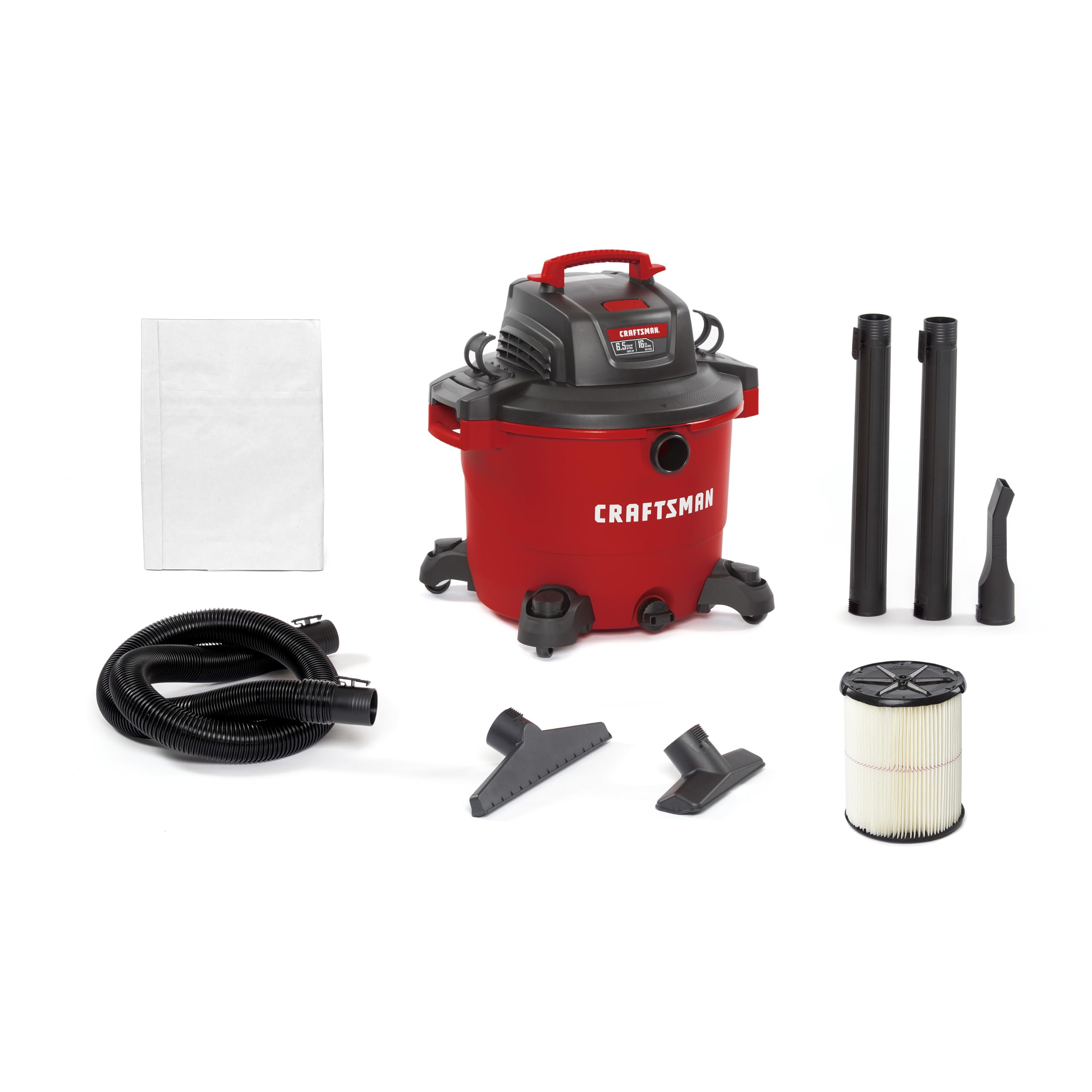
Craftsman 16 Gal 6.5 HP

95 /100
Craft Score Outstanding

Key details

Peak HP
6.5
Capacity
16 gallons
Noise Level
69 dB
Hose Diameter
2.5 inches
View on Amazon

16 gallons and 6.5 peak HP make this Craftsman a natural fit for stationary woodworking tools that generate heavy sawdust. The 2.5-inch hose handles debris without clogging, and the cartridge filter traps fine dust effectively.

This vac suits woodworkers who need a large-capacity unit that stays connected to tools during long sessions. The wide footprint means it needs dedicated floor space, and the wheels can dislodge when lifting the vac — a shortcoming to be aware of rather than a dealbreaker. If quiet operation is your priority, the 6.5 HP motor runs at 69 dB, so a quieter model like the DEWALT alternative may suit noise-sensitive spaces better.

💡 Support the vac from underneath when lifting to prevent wheels from popping off.

Pros

  • Strong suction for both wet and dry cleanup
  • Large 16-gallon capacity reduces emptying frequency during heavy use
  • Good value for the power and capacity

Cons

  • Large footprint requires a dedicated storage area
  • Wheels may dislodge when lifting or moving the vac
Our verdict

For woodworkers who need high capacity and steady suction for tool-connected dust collection, this Craftsman delivers. Just be prepared to handle the wheels with care or plan a permanent spot for it.

Check Latest Price
2

Best for Quiet Operation

DEWALT 12 Gal 5.5 HP

95 /100
Craft Score Outstanding

Key details

Peak HP
5.5
Capacity
12 gallons
Noise Level
80 dB
Hose Diameter
2.5 inches
View on Amazon

The DEWALT 12 gallon delivers powerful suction (5.5 HP) with a noise level around 80 dB, making it a rare find for woodworkers who need to minimize disturbance. The handle may crack under heavy use, and occasional motor issues have been noted within the first year — worth considering if you plan to move the vacuum frequently. Best suited for medium to large workshops where quiet operation is a priority over absolute durability.

💡 Consider setting the vacuum on a dolly or cart to reduce stress on the handle during movement.

Pros

  • Noticeably quieter operation than comparable shop vacs
  • Strong 5.5 HP suction handles heavy sawdust and wet pickups in medium to large workshops.
  • Quality build and included accessories, including a 2.5-inch hose, align well with woodworking needs.

Cons

  • Handle may crack under moderate use if the vacuum is lifted often by the handle.
  • Motor performance can stop in some units within the first year
Our verdict

Choose this DEWALT if quiet operation and sufficient suction for your workshop outweigh the need for rugged handle durability. For larger capacity and a stronger frame, the top pick Craftsman 16 gallon is the alternative.

Check Latest Price
3

Best Space-Saver

DEWALT Wall-Mount 6 Gal

94 /100
Craft Score Outstanding

Key details

Peak HP
5
Capacity
6 gallons
Noise Level
Hose Diameter
1.875 inches
View on Amazon

The DEWALT wall-mounted vac saves valuable floor space by mounting on any wall, and the included remote lets you start it from across the workshop without walking over to the unit. The 20-foot hose gives decent reach, and the wall mount keeps the vac out of the way when not in use. Suction is strong enough for workshop dust and debris, matching the performance of larger shop vacs. This setup works best for woodworkers who are tight on floor area and want a tidy workspace. The tradeoff is a premium price for a 6-gallon capacity and a power cord short enough that an extension cord is often necessary.

💡 Keep a 25-foot extension cord handy to maximize reach across your workshop.

Pros

  • Wall-mounted design frees up floor space in cramped workshops.
  • Remote control allows convenient start/stop from any location in the room.
  • Strong suction handles typical woodworking dust and debris.

Cons

  • Power cord is shorter than ideal, often requiring an extension cord in larger shops.
  • Premium-priced compared to other 6-gallon shop vacs.
Our verdict

For woodworkers who prioritize an uncluttered floor and remote convenience, this DEWALT is a smart investment despite the higher price per gallon.

Check Latest Price
4

Best Budget Pick

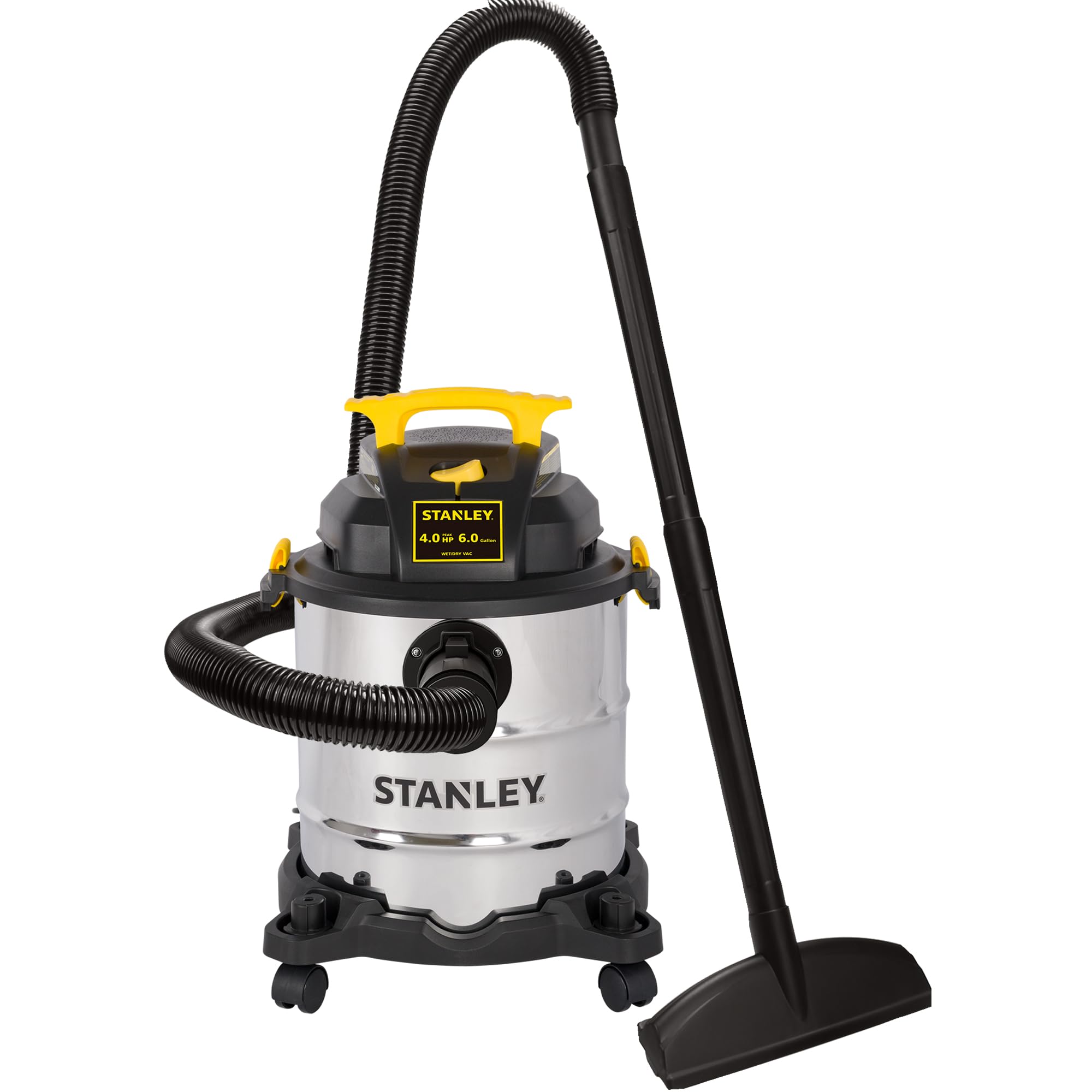
Stanley 6 Gal 4 HP

93 /100
Craft Score Outstanding

Key details

Peak HP
4
Capacity
6 gallons
Noise Level
80 dB
Hose Diameter
1.25 inches
View on Amazon

The Stanley delivers surprising suction for its size at a price that undercuts most competitors. But the small 1.25-inch hose and plastic attachments are not built for continuous sawdust collection — they may clog or crack. This vacuum suits budget-conscious hobbyists who need a portable vac for occasional home and car cleanups.

💡 Keep an extension cord handy — the short power cord needs one in most workshop setups.

Pros

  • Strong suction for wet/dry cleanup in a lightweight frame
  • Lightweight and easy to carry between rooms or vehicles

Cons

  • Short power cord may limit placement without an extension cord
Our verdict

If you need a basic wet/dry vac for light home and car cleanups on a tight budget, the Stanley gets the job done — just keep an extension cord nearby.

Check Latest Price
5

Best Value 5-Gallon

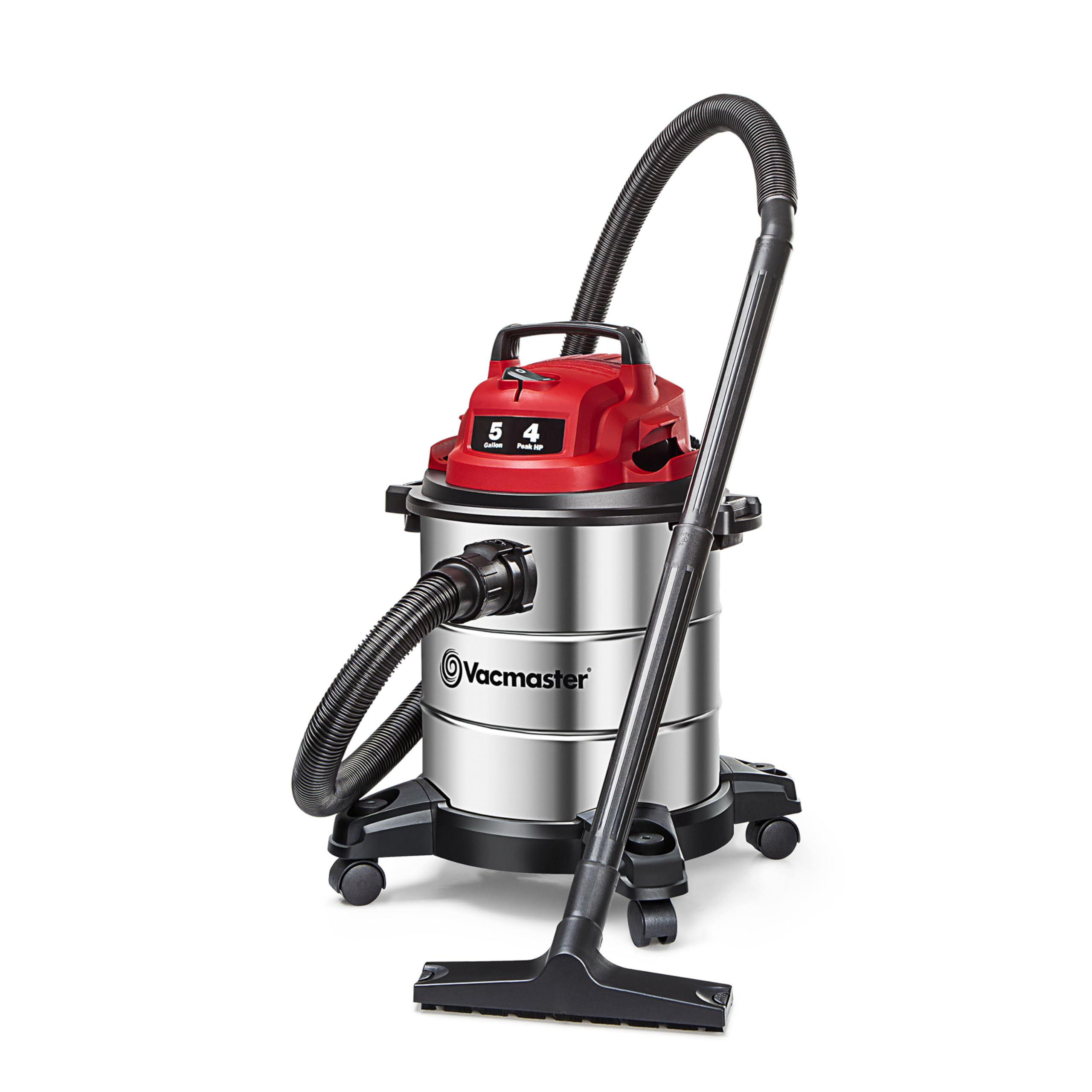
Vacmaster 5 Gal 4 HP SS

90 /100
Craft Score Outstanding

Key details

Peak HP
4
Capacity
5 gallons
Noise Level
77 dB
Hose Diameter
1.25 inches
View on Amazon

The Vacmaster 5-gallon delivers strong suction that rivals pricier models, thanks to its 4 HP motor. Its stainless steel tank adds corrosion resistance, a step up from the plastic units in the same price range — like the budget Stanley. However, this vacuum is best suited to general workshop cleanup rather than direct tool-connected dust collection: the 1.25-inch hose clogs with fine sawdust, and the power switch may wear out under heavy daily use. For budget-minded buyers who need a durable tank and solid pickup for spills and debris, it's a capable option — provided you accept these boundaries.

💡 Connecting to a dust separator or using a 2.5-inch hose adapter can reduce sawdust clogs in woodworking use.

Pros

  • Strong suction handles wet and dry debris effectively for the price
  • Stainless steel tank resists rust and dents better than plastic alternatives at this price point

Cons

  • Power switch may wear out after moderate use, requiring occasional replacement
  • 1.25-inch hose diameter can clog with fine sawdust, limiting direct tool attachment
Our verdict

A strong performer for general workshop cleanup at a budget price, but skip it if you need reliable tool-connected dust collection without hose upgrades.

Check Latest Price
6

Home Garage

Stanley 6 Gal Stainless

93 /100
Craft Score Outstanding

Key details

Peak HP
4
Capacity
6 gallons
Noise Level
Hose Diameter
1.25 inches
View on Amazon

The stainless steel tank is a genuine upgrade over plastic models, resisting rust and dents from shop debris. Suction is adequate for home garage sawdust and wet spills. However, the 1.25-inch hose clogs quickly with fine wood dust, and the wheel can detach after a bump. This vac is similar to the budget Stanley but with a better tank, yet the same thin hose and flimsy accessories hold it back.

Pros

  • Stainless steel tank resists corrosion and dents from workshop debris
  • Suction handles wet and dry pickup in home garage settings

Cons

  • Wheel may detach if the vac is bumped during movement
Our verdict

Worth considering if a rust-proof tank matters more than hose diameter and wheel sturdiness for light home garage use.

Check Latest Price

How to Choose

Capacity

Larger capacity means fewer trips to empty the drum, but it also increases weight and footprint. A 6-gallon vac is fine for spot cleanup and small tools, but if you hook a planer or table saw to it, you'll empty it every 10 minutes.

For a stationary tool that produces continuous chips, aim for 12 gallons or more. The trade-off is a larger tank that takes up floor space and is harder to move around.

Peak HP

Peak HP is a short burst measurement, not sustained suction. A 5.5 HP motor may move less air than a 4 HP motor with a better impeller design. Ignore the number and focus on CFM ratings when available.

In real use, what matters is how the motor handles fine dust. A motor that labors under a full filter bag will lose suction quickly, regardless of its peak rating.

Hose Diameter

A 1.25-inch hose clogs with sawdust within seconds when attached to a miter saw. A 2.5-inch hose moves fines more freely and matches most tool ports. If your vac has a small hose, you can adapt it, but the bottleneck remains.

The physical stiffness of the hose also matters. Thicker hoses stay kinked less, but they are heavier and harder to maneuver around a shop. A 7-foot hose can limit reach; consider a longer replacement if your layout demands it.

Noise Level

Most shop vacs run between 70 and 85 dB. A jump from 69 dB to 80 dB may not sound huge, but every 3 dB doubles sound energy. If you spend hours in the shop, a quieter vac reduces fatigue and protects hearing.

The quietest models often use foam-lined motor housings or larger impellers spinning slower. They may cost more, but the comfort gain is immediate for frequent users.

Frequently Asked Questions