8 Best Wood Preservative of 2026: Stop Rot and Termites

Find the wood preservative that actually prevents rot and insect damage, not just a cosmetic finish for your next project.

Walk down the wood preservative aisle and you will see teak oils, tung oils, and linseed oils all claiming to preserve wood. But most of those products are cosmetic finishes. They restore color and repel a little moisture, but they lack the biocidal ingredients needed to stop rot fungi or termites.

This guide separates the true preservatives from the pretty polishes. The real choices are borate treatments that soak into wood and kill decay organisms from the inside, copper-based formulas for soil contact, and natural alternatives like pine tar. Each has a specific job. The right one depends on whether your wood touches the ground, sits outdoors, or needs to stay food-safe.

Pay attention to the active ingredient label. If you see disodium octoborate tetrahydrate or copper naphthenate, you are getting real protection. If you see only oil, you are buying a conditioner, not a preservative.

1

Best Overall Wood Preservative

Bora-Care

91 /100
Craft Score Outstanding

Key details

Resistance
Termites, fungi, rot, long-lasting
Application
Spray or brush on bare wood
Dry Time & Odor
Dries in hours, low odor
Active Ingredient
Disodium octoborate tetrahydrate
View on Amazon

Bora-Care is a borate concentrate that penetrates bare wood and eliminates termites, carpenter ants, wood-boring beetles, and decay fungi. The active ingredient, disodium octoborate tetrahydrate, remains in the wood indefinitely as long as it stays dry. Mixed with equal parts water and applied with a pump sprayer or brush, one gallon covers roughly 800 square feet.

This treatment is designed for new construction or bare wood in high-risk termite areas – fence posts, deck joists, sill plates. It cannot be applied over paint, sealants, or any finished surface. The thick honey-like consistency may clog sprayers if not mixed thoroughly, but careful preparation avoids that issue. The premium upfront cost reflects professional-grade protection that eliminates reapplication.

💡 Mix Bora-Care with water at a 1:1 ratio and use a sprayer with a large nozzle opening to prevent clogs.

Pros

  • Controls termites, carpenter ants, and wood decay fungi with a single treatment.
  • Mixes easily with water and can be sprayed on bare wood using standard equipment.
  • Active ingredient stays in wood for life

Cons

  • Thick consistency may clog sprayers if not mixed properly
  • Only works on bare, unfinished wood
Our verdict

For structural wood in termite-prone areas, Bora-Care provides indefinite protection without reapplications. The higher upfront cost is offset by long-term peace of mind.

Check Latest Price
2

Best Value Borate

Nisus Tim-BOR

91 /100
Craft Score Outstanding

Key details

Resistance
Termites, fungi, rot, long-lasting
Application
Mix with water, spray
Dry Time & Odor
Dries in hours, low odor
Active Ingredient
Disodium octoborate tetrahydrate
View on Amazon

Nisus Tim-BOR delivers the same borate chemistry as the professional-grade concentrate, but in a powder form that mixes with water. Budget-friendly and easy to apply with a garden sprayer, it's best suited for small jobs like fence posts, shed framing, and untreated wooden items. The fine powder can be messy to handle, and the mixed solution must be used within hours — no storage possible. For larger whole-house jobs, the top pick's concentrated liquid is more efficient, but Tim-BOR handles the same pests at a fraction of the cost per square foot.

💡 Mix only what you'll use in a single session — the solution degrades after a few hours.

Pros

  • Kills termites, wood-boring beetles, and decay fungi on contact.
  • Dissolves readily in water and applies without clogging when fully mixed.
  • Low toxicity when used as directed

Cons

  • Powder can be messy to measure and may clog spray nozzles if not fully dissolved.
  • Mixed solution must be used within hours; cannot be stored for later use.
Our verdict

For small DIY projects where cost matters, Tim-BOR gives you the same active ingredient as the top pick without paying for professional-grade concentration.

Check Latest Price
3

Best for Ground Contact

Wolman CopperCoat

91 /100
Craft Score Outstanding

Key details

Resistance
Below-ground rot, termites
Application
Brush, spray, or dip
Dry Time & Odor
Dries in 24h, strong chemical
Active Ingredient
Copper naphthenate
View on Amazon

Wolman CopperCoat delivers EPA-registered protection against termites, beetles, rot, and decay when applied to bare wood in ground-contact or below-grade situations. Unlike borate treatments that require dry conditions to remain effective, CopperCoat's copper naphthenate stays active in moist soil. Best for farm fence posts, dock lumber, and end cuts of pressure-treated wood – buyers who don't need to paint or stain over the green-tinted surface. The strong chemical odor during application is manageable outdoors, and the transparent green finish blends with pressure-treated wood.

💡 Apply only to bare wood in a well-ventilated area – the odor dissipates as the solvent dries.

Pros

  • EPA-registered protection against termites, beetles, rot, and decay
  • Works on all wood species, including end cuts and ground contact
  • Natural green tint blends with pressure-treated wood

Cons

  • Strong chemical odor during application
  • Green tint prevents painting or staining over the treated wood
Our verdict

For buyers focused solely on below-ground preservation where painting is not planned, CopperCoat offers effective, long-lasting protection at a mid-range price.

Check Latest Price
4

Best Natural Alternative

Bickmore Pine Tar

92 /100
Craft Score Outstanding

Key details

Resistance
Water-resistant, antiseptic
Application
Brush or wipe on
Dry Time & Odor
Stays tacky, strong pine scent
Active Ingredient
100% pine tar
View on Amazon

Non-toxic and carrying a pleasant pine scent, Bickmore Pine Tar reduces fungal growth on barn wood and fences without harsh chemicals. Its thin, runny consistency can be messy to apply, and the finish stays slightly tacky — acceptable for rough-hewn posts where a glossy film isn't desired.

This product suits DIY homesteaders looking for a natural, low-toxicity option for above-ground wood like rustic furniture and fence boards. While traditional use suggests it helps prevent rot, modern controlled testing is limited — results can vary. It's not intended for ground-contact applications or projects needing a hard, clear coat.

💡 Apply in thin coats with a brush and wipe off excess to control drips.

Pros

  • Natural pine tar resists rot and fungi on above-ground wood, extending its life.
  • Pleasant pine scent during application

Cons

  • Thin, runny consistency makes application messy and can lead to drips.
  • Finish remains tacky and never dries fully hard, which may attract dirt.
Our verdict

A charming, low-toxicity option for rustic outdoor wood that doesn't need a hard finish, but for serious rot and insect protection, a borate or copper preservative is more effective.

Check Latest Price
5

Food-Safe, Indoor

Hope's Pure Tung Oil

94 /100
Craft Score Outstanding

Key details

Resistance
Moisture only
Application
Wipe-on
Dry Time & Odor
Weeks to cure, strong odor
Active Ingredient
100% tung oil
View on Amazon

A pure tung oil that cures to a non-toxic, food-safe finish with deep grain enhancement. Its slow drying time and strong odor during cure are manageable tradeoffs for indoor projects, but it lacks any biocide — no protection against rot, termites, or outdoor decay.

Pros

  • Creates a warm, natural finish that brings out wood grain
  • Non-toxic once fully cured, safe for cutting boards and utensils

Cons

  • No protection against rot, termites, or decay
Our verdict

Best reserved for food-safe woodworking projects where a natural, non-toxic finish is the goal, not for outdoor preservation or insect prevention.

Check Latest Price
6

Countertops

Waterlox Sealer Finish

95 /100
Craft Score Outstanding

Key details

Resistance
Waterproof
Application
Wipe-on
Dry Time & Odor
24h between coats, low odor
Active Ingredient
Tung oil resin
View on Amazon

Waterlox delivers outstanding water resistance and a repairable satin finish ideal for kitchen countertops and vanities. However, it lacks any biocidal active ingredients, so it offers no protection against rot, termites, or fungal decay — making it unsuitable as a wood preservative. Its 24-hour drying time between coats also demands patience.

Pros

  • Exceptional water resistance and durable finish
  • Easy wipe-on application with no sanding between coats

Cons

  • Not a preservative
Our verdict

A superb waterproof finish for indoor wood that stays dry, but it will not prevent biological decay — choose a borate or copper-based treatment if that is your goal.

Check Latest Price
7

Conditioning, Large Areas

LinSheen Boiled Linseed Oil

94 /100
Craft Score Outstanding

Key details

Resistance
Moisture only
Application
Wipe-on
Dry Time & Odor
24h, tacky risk, mild odor
Active Ingredient
Boiled linseed oil
View on Amazon

This oil penetrates deep and enhances wood's natural color, drying faster than raw linseed options. However, it contains no fungicides or insecticides, so it won't stop rot or termites. For simply conditioning dry wood, it's a cost-effective option — but if you need biological protection, look to a borate or copper-based preservative.

Pros

  • Penetrates deep and enhances natural wood color
  • Fast-drying compared to raw linseed oil

Cons

  • Can be sticky if applied too thickly
Our verdict

Best for restoring faded tool handles and outdoor furniture where appearance is the goal, not long-term preservation.

Check Latest Price
8

Non-Toxic Toys

Tried & True Finish

93 /100
Craft Score Outstanding

Key details

Resistance
Moisture only
Application
Wipe-on
Dry Time & Odor
Very slow, low odor
Active Ingredient
Linseed + beeswax
View on Amazon

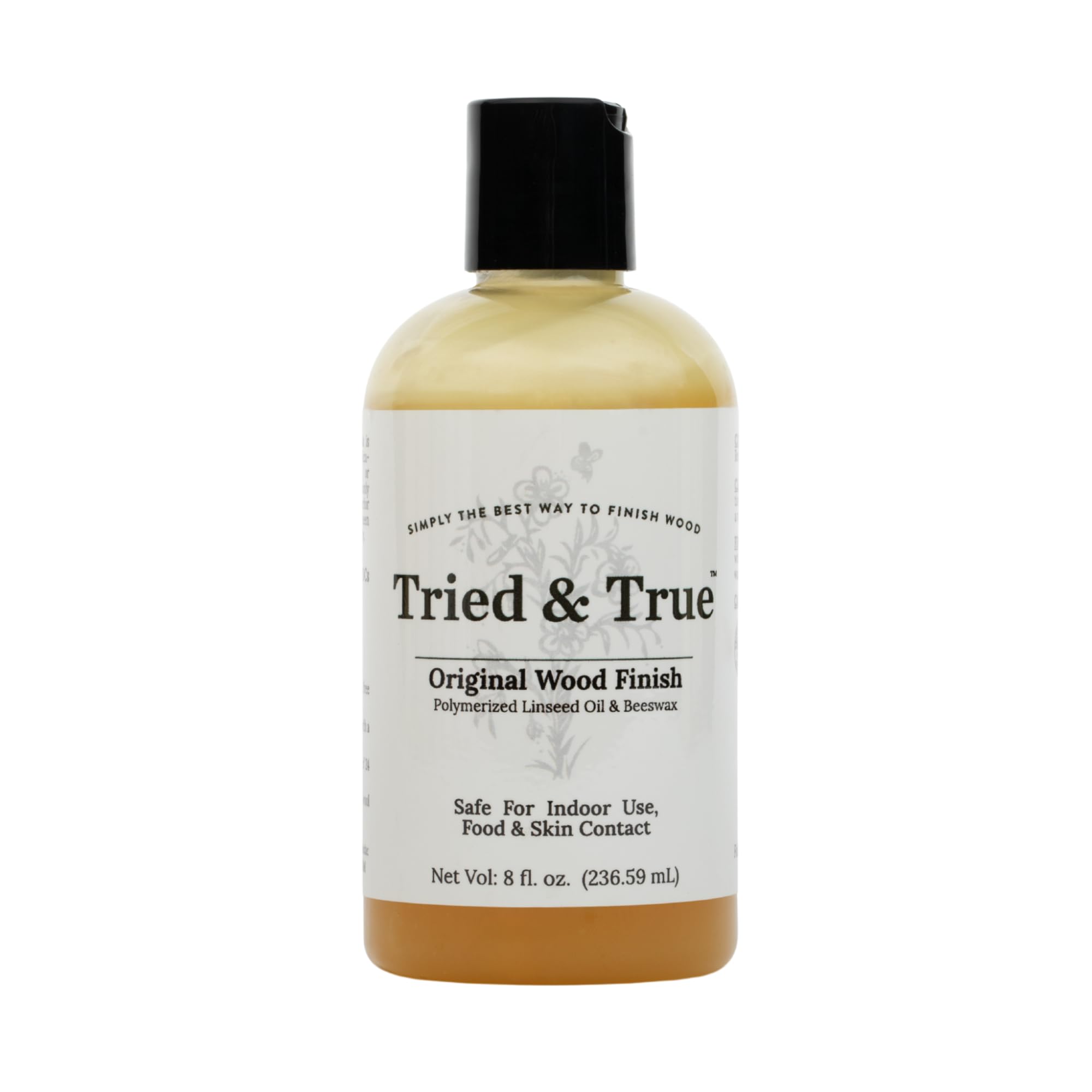
This linseed oil and beeswax blend delivers a beautiful warm finish on cutting boards, utensils, and children's toys. It is non-toxic and easy to apply by wiping and buffing. However, the cure time can extend for days, and it offers no protection against rot, insects, or biological decay — it is a pure finish, not a preservative.

Pros

  • Natural warm antique tone that enhances wood grain
  • Non-toxic and safe for food contact and children's toys

Cons

  • Cure time can extend for days, requiring patience during application
Our verdict

A fine choice for indoor wooden kitchenware and toys where non-toxicity is the priority, but skip it if your goal is to protect wood from rot or insects.

Check Latest Price

How to Choose

Active Ingredient

This is the make-or-break spec. Borates (disodium octoborate tetrahydrate) kill fungi and insects by disrupting their cellular metabolism, and they stay active in the wood indefinitely as long as it stays dry. Copper naphthenate works by release of copper ions that are toxic to decay organisms, and it's especially effective in ground-contact situations because copper doesn't leach out quickly.

Products without one of these ingredients – tung oil, linseed oil, teak oil – provide only a moisture barrier. They can slow down surface mold but won't stop termites from tunneling through the wood.

Application Methods

Most true preservatives are applied to bare, unfinished wood. Borate liquids and powders need to be sprayed or brushed on and allowed to soak in. The wood must be dry and clean for the treatment to penetrate. Copper-based liquids can be brushed, sprayed, or even dipped for complete coverage.

The trade-off: you cannot apply these over paint, stain, or sealers. If the wood already has a finish, you must strip it first. For new construction, treat lumber before assembly. For existing structures, you can drill and inject borate solutions into the wood.

Resistance Levels

Resistance is not a single rating. Borates provide broad-spectrum protection against termites, carpenter ants, and decay fungi, but they wash out if the wood is continuously wet. Copper naphthenate is water-insoluble and ideal for buried posts and dock lumber. For above-ground exterior use, a borate treatment followed by a water-repellent finish gives the best dual protection.

Pine tar offers a natural antiseptic barrier that reduces fungal attachment, but it's less effective against aggressive termites and needs reapplication every couple of years.

Dry Time and Odor

Borate solutions dry in a few hours and have very little odor once dry. Copper-based preservatives have a strong chemical smell that lingers for a day or two. Pine tar stays tacky for days and smells like a campfire. Pure oils (tung, linseed) can take weeks to fully cure and may have persistent odors.

The hidden trade-off: quick-drying borates let you proceed with finishing the same day, but they require the wood to be kept dry during application. Slow-drying oils demand patience and proper ventilation.

Coverage

Borate concentrates stretch far: Bora-Care covers about 800 square feet per gallon when mixed 1:1 with water. That's enough for an entire deck structure or a small house's sill plates. Powders like Tim-BOR give similar coverage per pound when dissolved. Copper coatings are thicker and cover less area, typically 100–200 square feet per gallon.

For small projects like a single fence post, a quart of copper preservative is sufficient. Buying a gallon of borate concentrate is economical for larger jobs, but wasteful if you only need a few boards.

Frequently Asked Questions