6 Best Scroll Saw of 2026: Smooth Cuts Without the Vibration Headache

Which scroll saws deliver vibration-free precision for intricate woodworking — and which ones leave you fighting the shake.

Vibration is the single biggest frustration for anyone who scrolls fine fretwork or intarsia. Even when bolted down, many entry-level saws shake enough to blur detail lines and snap thin blades.

Buying a scroll saw is really a choice about vibration control. The double parallel-link arm design used on professional saws kills nearly all shake, while standard arms pass motor vibration straight to the workpiece.

This guide cuts through the noise by matching each saw to the right use case — whether you need whisper-smooth cuts for delicate work or just a budget-friendly tool for occasional craft projects.

1

Best Overall

DEWALT DW788

91 /100
Craft Score Outstanding

Key details

Table Tilt
45°
Blade Change
Tool-free clamps
Throat Depth
20 in
Variable Speed
Up to 4500 rpm
View on Amazon

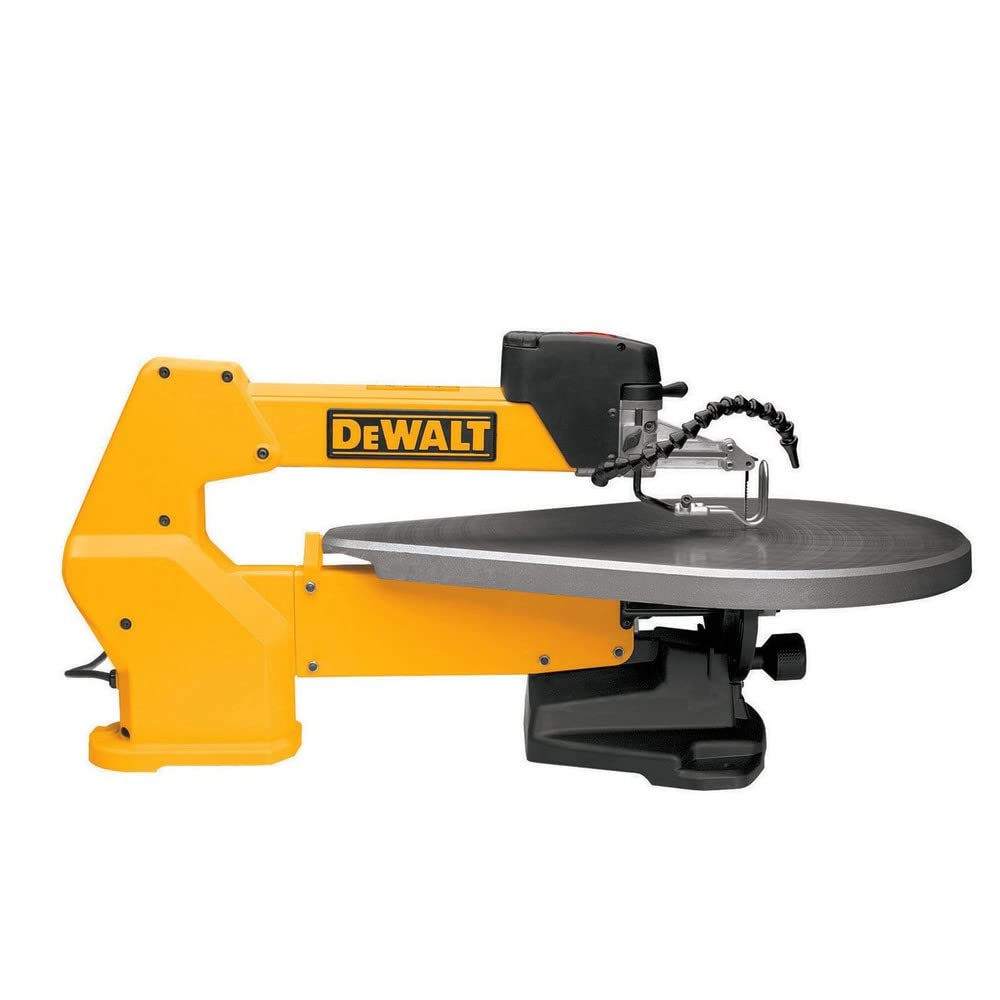
The double parallel-link arm design nearly eliminates vibration, so intricate cuts stay clean without the hand fatigue typical of lesser scroll saws. The 1.3 amp motor powers through hardwoods up to 2 inches thick, and the tool-free blade clamps make swaps in seconds.

This saw suits serious woodworkers and intarsia enthusiasts who demand precision over portability. At 66 pounds, it requires a dedicated workbench or sturdy stand, and the premium price will feel steep for casual hobbyists.

Pros

  • Double parallel-link arm suppresses vibration for smooth, precise cuts
  • Sturdy cast-iron base and steel frame hold up to heavy use
  • Tool-free blade clamps cut changeovers to a few seconds

Cons

  • Heavy 66-pound build demands a sturdy stand or permanent bench
  • Premium price may exceed what casual woodworkers need for occasional use
Our verdict

The DW788 is the scroll saw to choose when vibration-free cuts and long-term reliability matter more than budget or portability.

Check Latest Price
2

Best Budget Pick with Easy Blade Changes

WEN 3922

89 /100
Craft Score Excellent

Key details

Table Tilt
45°
Blade Change
Side-access panel
Throat Depth
16 in
Variable Speed
550-1600 SPM
View on Amazon

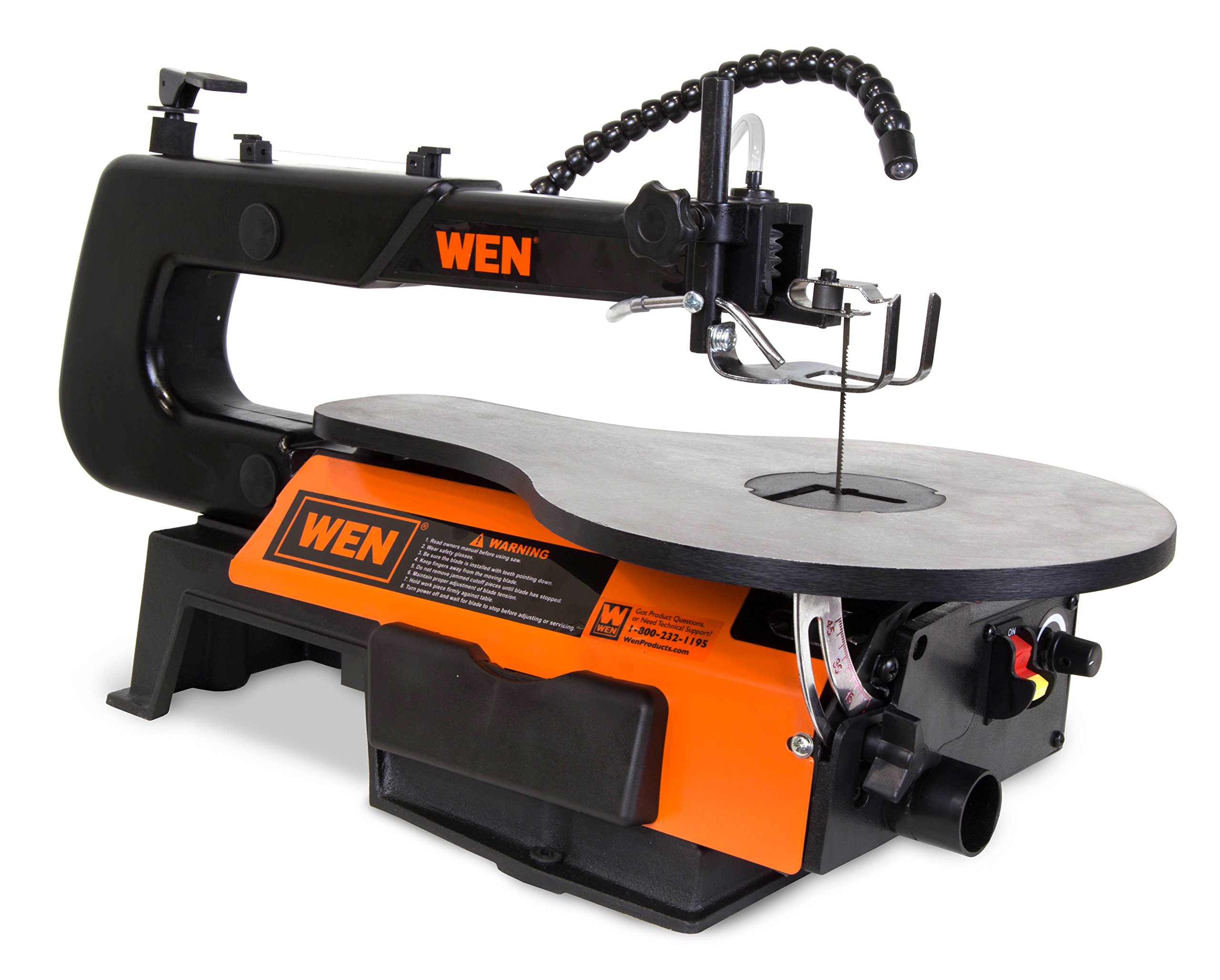
The WEN 3922's side-panel blade access is a genuine convenience at this price, letting you swap blades without reaching under the table — a clear step up from the best-selling budget alternative. Setup is straightforward, and the cast-iron base adds stability for light scrolling tasks. However, the tensioner and rivet assembly can vary in build quality, and vibration at higher speeds is moderate enough that fine fretwork or thin stock may require patience. This saw suits beginners who need frequent blade changes on small projects, but not for heavy-duty cutting or detail-oriented work.

💡 Periodically inspect the tensioner and rivets for signs of wear — catching issues early can prevent downtime.

Pros

  • Tool-free side-panel blade changes save time and hassle.
  • Solid feature set at a budget-friendly price.
  • Easy setup and operation for newcomers.

Cons

  • Some units have durability concerns with the tensioner and rivets.
  • Vibration can be noticeable, especially at higher speeds.
Our verdict

A suitable entry-level scroll saw for those who prioritize easy blade changes over absolute smoothness and long-term durability. Best for light, intermittent use.

Check Latest Price
3

Best Compact / Portable Scroll Saw

Dremel MS20-01

88 /100
Craft Score Excellent

Key details

Table Tilt
Blade Change
Fast-clamp base
Throat Depth
Variable Speed
Variable
View on Amazon

The Dremel MS20-01 stands out among scroll saws for its fast-clamp base that secures to any tabletop and a detachable handheld mode that functions as a coping saw. This flexibility serves hobbyists who need a tool that moves between workstations and handles small, detailed cuts. Weighing only 9 pounds, it stores in a drawer and sets up in seconds.

It fits best with model makers and crafters working with materials under 1/4 inch thick. For thicker hardwoods, the thin blades can snap under stress – users requiring a full-size scroll saw with robust blade support should consider the DeWalt alternative.

Pros

  • Fast-clamp base for quick table attachment and handheld coping saw mode.
  • Compact design at 9 pounds fits small workshops and stores easily.
  • Cuts thin materials like balsa and plywood with control.

Cons

  • Blade installation requires patience
Our verdict

Best for crafters and model makers who need portability; not suited for heavy woodworking on thick stock.

Check Latest Price
4

Best Mid-Range Feature Value

SKIL SS9503-00

86 /100
Craft Score Excellent

Key details

Table Tilt
45°
Blade Change
Keyless tool-free
Throat Depth
16 in
Variable Speed
View on Amazon

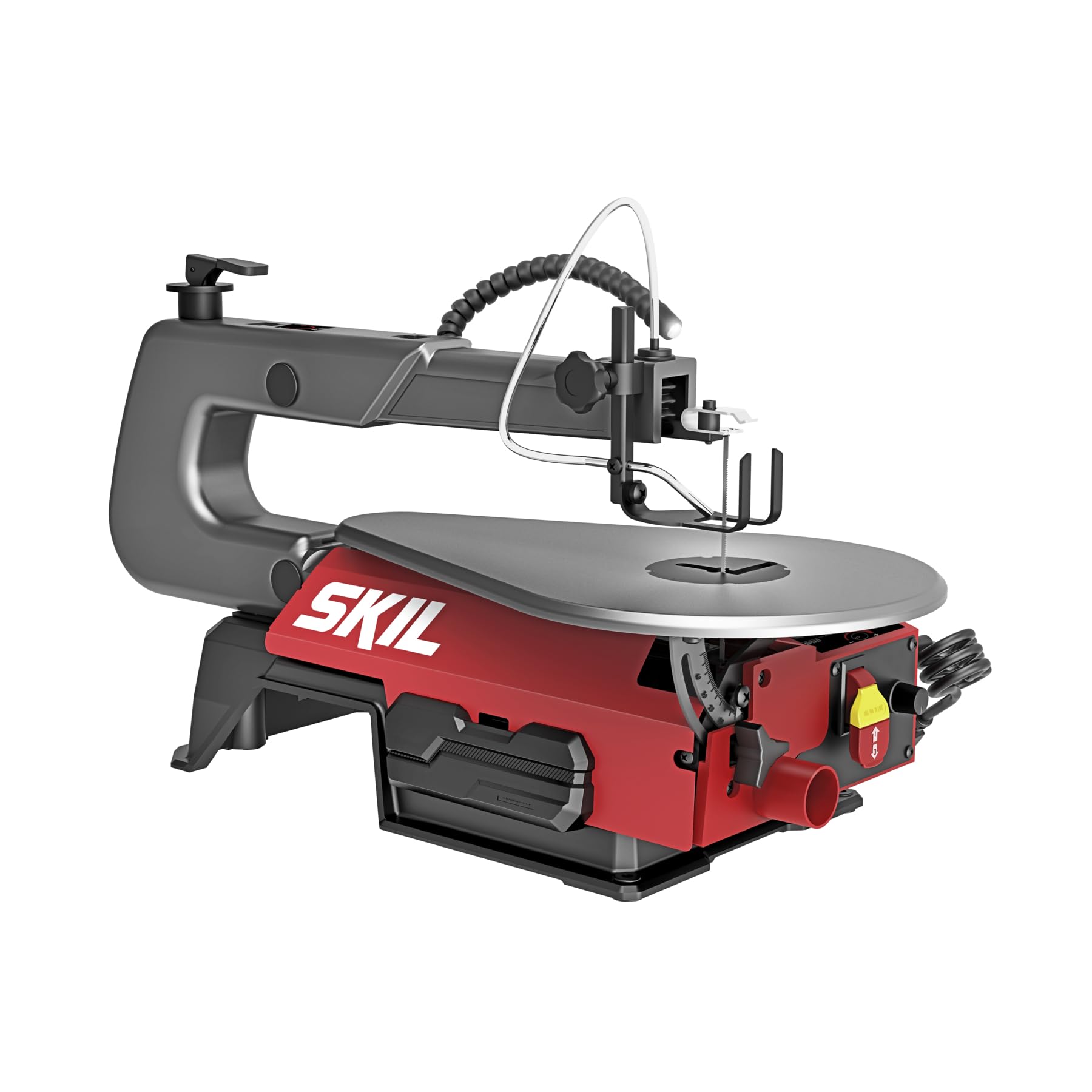
The SKIL SS9503-00 brings an integrated LED work light, tool-free blade changes, and a dust port to the mid-range scroll saw market. While it doesn't match the near-vibration-free smoothness of the top pick, these conveniences come at a lower price point. However, the saw's long-term durability under frequent use is less established than that of more widely adopted models. This makes it a solid fit for intermediate hobbyists who prioritize easy blade swaps and good visibility over absolute smoothness, and who are willing to operate within moderate usage.

💡 Periodically check blade tension to mitigate alignment drift and extend blade life.

Pros

  • Cuts cleanly through hardwoods and softwoods with minimal vibration for its class.
  • Tool-free blade swaps and integrated LED light make setup and operation quick.

Cons

  • Blade alignment may require occasional adjustment; some units have had tensioner parts that bend.
Our verdict

A feature-rich mid-range saw for hobbyists who want LED light and tool-free changes, but those needing absolute precision or a longer track record should consider the top pick.

Check Latest Price
5

Beginners Hobbyists

WEN 3921

91 /100
Craft Score Outstanding

Key details

Table Tilt
45°
Blade Change
Throat Depth
16 in
Variable Speed
400-1600 SPM
View on Amazon

The WEN 3921 offers a value-focused package for newcomers: a 16-inch throat, tilting table up to 45 degrees, and an integrated work light. Its cast-iron base provides stability for light craft projects and fretwork. However, vibration increases noticeably at higher speeds, making fine detail work challenging. Cutting thicker hardwood can be hit-or-miss. It also lacks the tool-free blade change found on the budget competitor with side-access panel.

Pros

  • Included work light and large table improve visibility for detailed cuts
  • Entry-level price with good feature set for hobbyists starting out

Cons

  • Vibration at higher speeds limits precision and may require secure mounting
Our verdict

This fits budget-conscious beginners tackling light craft projects who can tolerate vibration at higher speeds and don't need frequent blade swaps.

Check Latest Price
6

Also Great

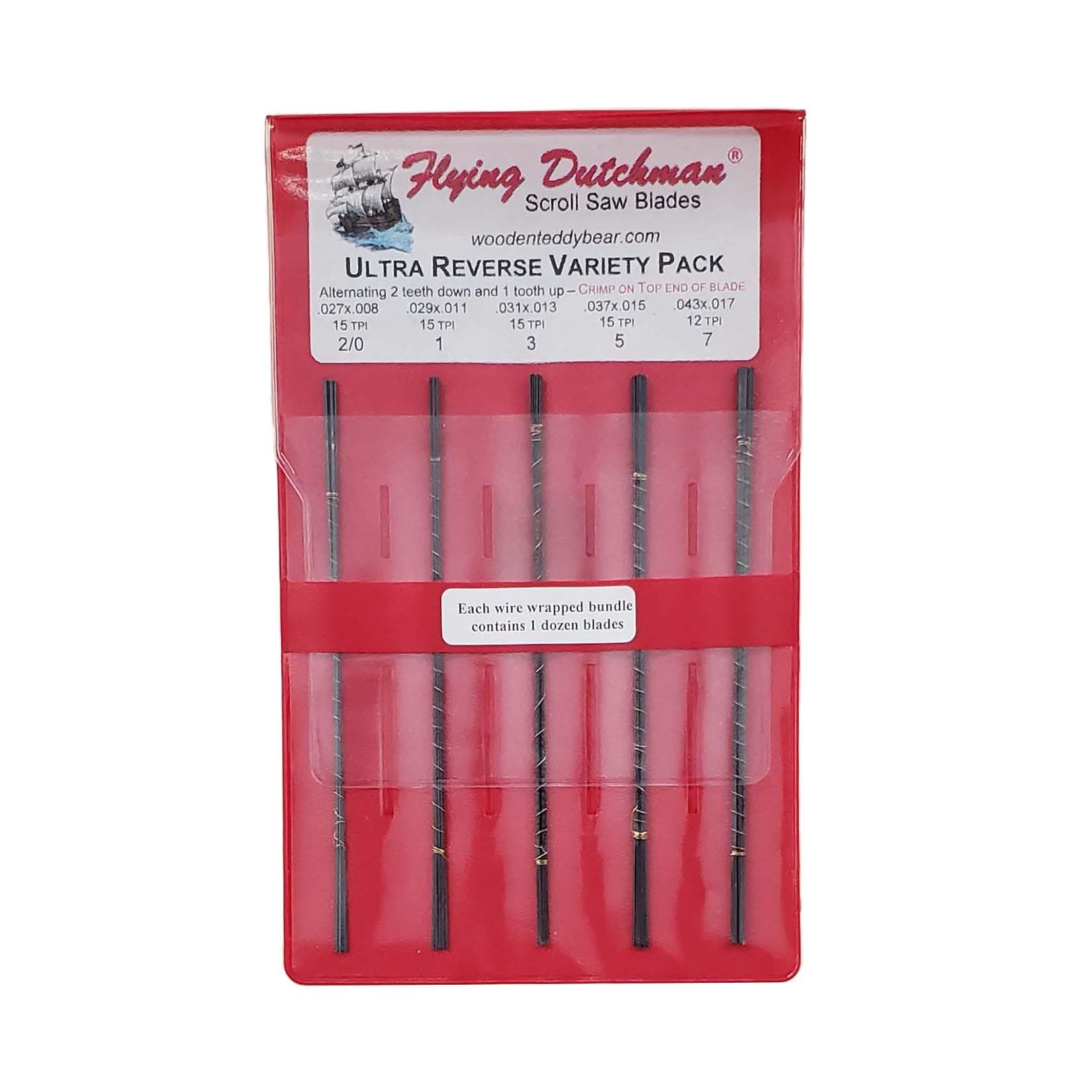
This blade variety pack delivers clean, tearout-free cuts thanks to the ultra reverse tooth geometry, and the German steel holds its edge well across many projects. However, these are pinless blades only, so they won't fit scroll saws that require pinned blades — check compatibility before buying. They are a cross-sell for anyone purchasing a new scroll saw, not a saw themselves.

Pros

  • Sharp, long-lasting German steel for consistent cuts
  • Clean cuts with minimal tearout

Cons

  • Pinless design only
Our verdict

A cost-effective upgrade for scroll saw owners who want cleaner cuts and longer blade life, provided the saw accepts pinless blades.

Check Latest Price

How to Choose

Throat Depth

Throat depth determines the largest workpiece you can cut from the edge. A 16-inch throat handles most craft projects and small fretwork, while 20 inches gives room for larger intarsia pieces or cutting near the center of a board.

Going wider also adds weight and cost. Unless you regularly cut wide stock, 16 inches is sufficient and keeps the saw more manageable.

Vibration Dampening Mechanism

The arm design directly controls how much vibration reaches the blade. Double parallel-link arms (like the DeWalt) cancel out motor forces through opposing motion, delivering near-zero shake even at high speeds.

Single-arm saws pass vibration straight to the table, making fine detail work harder and causing premature blade breakage. If precision matters, prioritize this spec over brand or power.

Blade Change System

Tool-free blade changes are now standard, but the mechanism varies. Side-access panels allow swapping blades without reaching under the table, a major time-saver for intricate scrollwork that requires frequent blade swaps.

Top-mounted clamps work fine but can be fiddly on some models. If you change blades often, a side-access design or quick-release lever will save frustration.

Variable Speed Range

Variable speed lets you match blade stroke rate to material thickness and blade size. Slower speeds reduce heat and breakage on thin blades; higher speeds speed up rough cuts in softwood.

A range of 400-1600 SPM covers most hobby work. Higher maximum speeds (up to 4500 rpm on some models) are useful only for production cutting with large blades.

Table Tilt and Size

A tilting table allows bevel cuts up to 45 degrees. Most saws offer it, but the mechanism quality varies. Cast-iron tables resist flex and stay truer over time than stamped steel.

Larger tables support wider workpieces and offer more space for fixturing. A 16-inch saw with a cast-iron base strikes a good balance between stability and footprint.

Frequently Asked Questions